Escalating Middle East Conflict Heightens Economic Risks for South Korea, Warns KDI

Synopsis
The ongoing conflict in the Middle East is raising significant concerns for South Korea's economy as rising oil prices and supply chain disruptions threaten to impact prices, consumption, and exports, warns the Korea Development Institute (KDI).
Key Takeaways
South Korean economy faces increasing risks from the Middle East conflict.
Rising oil prices threaten to impact prices and consumption.
Strong demand for semiconductors supports export growth.
Inflation pressures may rise as the conflict continues.
Investment in facilities and construction may be constrained.
Seoul, April 7 (NationPress) The South Korean economy is facing increasing downside risks due to the ongoing conflict in the Middle East, as escalating global oil prices and disruptions in supply chains are likely to exert broader negative influences on prices, consumption, and exports, according to a recent report from a state-run think tank.
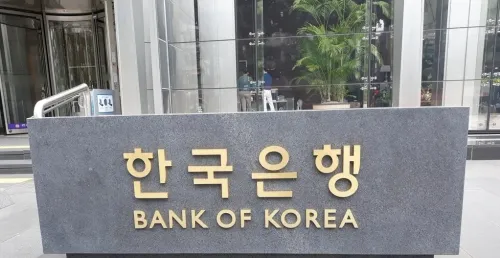
The Korea Development Institute (KDI) stated in its monthly economic evaluation that, "The economy, which had previously shown signs of gradual recovery, is now encountering significant downside risks due to rising oil prices and escalating uncertainties in global supply chains resulting from the Middle East conflict."
This warning comes after the KDI initially identified potential risks from the geopolitical situation early last month and has now issued a more direct alert, as reported by Yonhap news agency.
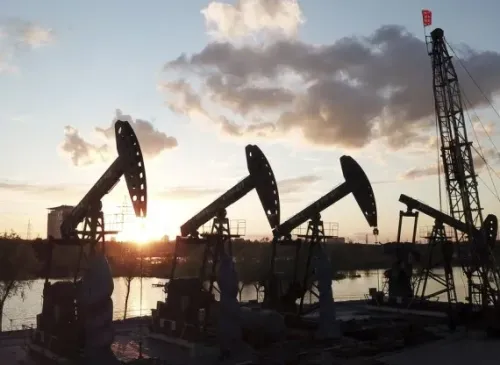
Since the conflict erupted in late February, it has evolved into a wider regional war, causing turmoil in global financial markets and driving up oil prices, raising concerns about inflation and a possible economic downturn.
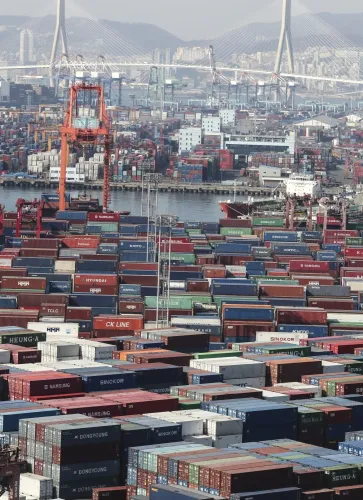
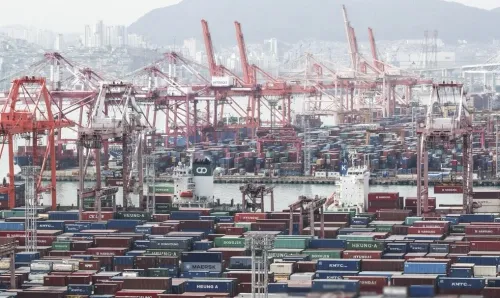
While the KDI noted a moderate improvement in domestic demand and strong export growth—particularly driven by robust semiconductor demand—it also expressed concerns that rising oil prices could negatively impact consumption. Additionally, supply disruptions and declining demand may hinder export performance.
The KDI further indicated that "Facility investment could encounter limitations, and construction investment might be adversely affected by increasing costs associated with the ongoing conflict." They also warned that exports could face deteriorating conditions due to a potential slowdown in external demand as a consequence of the crisis.
In March, consumer prices saw a 2.2% increase from the previous 2% in February, primarily influenced by a rise in petroleum prices.
Although inflation remains near the 2% target, the KDI cautioned that upward pressures could intensify as the ramifications of the Middle East conflict continue to spread, according to the report.
Point of View
The ongoing Middle East crisis poses significant challenges that could reverse progress. It is crucial for policymakers to navigate these turbulent waters thoughtfully to safeguard economic stability.
NationPress
19 Sept 2026
Frequently Asked Questions
What are the primary economic risks for South Korea due to the Middle East conflict?
The primary risks include rising oil prices, supply chain disruptions, and potential declines in consumption and exports.
How has the KDI assessed the situation?
The Korea Development Institute has indicated heightened downside risks to the economy, citing the impact of geopolitical tensions on oil prices and supply chains.
What impact does rising oil price have on South Korea's economy?
Rising oil prices can lead to increased consumer prices, reduced consumption, and potential constraints on exports.
What inflation rate did South Korea experience in March?
In March, consumer prices in South Korea increased by 2.2%, up from 2% in February, primarily due to rising petroleum prices.
Is the KDI optimistic about South Korea's economic recovery?
While there was moderate improvement in domestic demand and strong export growth, the KDI warns of significant risks due to rising oil prices and supply chain uncertainties.