South Korean Companies Take Action as Global Oil Prices Rise Amid Middle East Unrest
Synopsis
As global oil prices soar due to ongoing unrest in the Middle East, South Korean companies are taking proactive measures to safeguard their operations. The government is also pushing for stabilization of domestic fuel costs amidst rising public concern over gas prices.
Key Takeaways
South Korean companies are taking measures to address rising global oil prices.
The government is advocating for price stability to protect consumers.
Airlines and shipping industries are exploring risk-hedging strategies .
Average gasoline prices in Seoul have reached the highest level in nearly four years.
Economic forecasts suggest potential declines in growth due to high oil prices.
Seoul, March 9 (NationPress) South Korean enterprises are actively pursuing strategies to mitigate the effects of soaring global oil prices as unrest in the Middle East persists, according to industry insiders on Monday. The government has also called for initiatives to stabilize domestic fuel costs.
Leading firms such as Samsung Electronics, SK Group, Hyundai Motor, and Hanwha Group have convened emergency sessions in recent days to assess the fluctuations in the global energy market and devise approaches to lessen the repercussions of the Middle East turmoil on their operations, as reported by sources.
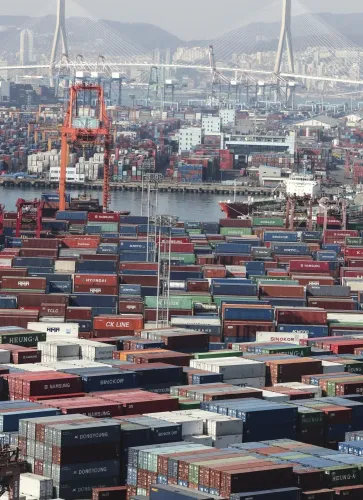
Particularly, the airline and shipping sectors, which are profoundly impacted by fuel expenses, are contemplating various risk-hedging strategies, according to Yonhap news agency.
Korean Air Co., the flag carrier, has stated that it is currently hedging up to 50% of its anticipated annual fuel usage and will adapt to shifting oil prices. Meanwhile, HMM Co., the largest shipping company in Korea, has announced plans to implement fuel surcharges shortly.
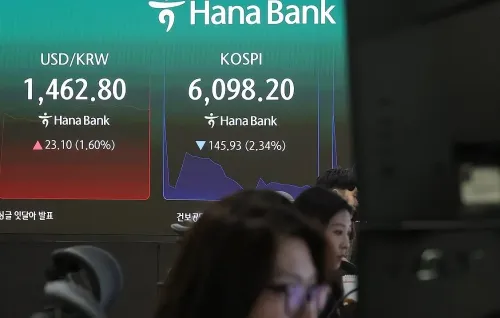
Other organizations are also exploring responses to escalating raw material prices and fluctuations in foreign exchange, amid worries that the Middle East crisis could worsen the global economic downturn and contribute to stagflation in Korea.
A recent analysis from the Hyundai Research Institute indicated that Korea's economic growth rate could decrease by 0.3 percentage points by 2026 if average oil prices this year remain around the US$100 per barrel mark.
Brent crude oil, the international oil benchmark, surged to $107.54 per barrel at 7:26 a.m., marking a 14.85% increase from the previous day and exceeding the critical threshold of $100 per barrel.
In an effort to stabilize domestic fuel prices, Industry Minister Kim Jung-kwan urged major oil refiners to avoid excessive price hikes earlier today, according to his office.
"We urge the adoption of transparent and equitable petroleum pricing to ensure that the burden of rising international oil prices, influenced by the recent Middle Eastern situation, is not disproportionately or excessively transferred to consumers," Kim stated during a meeting with oil refinery representatives and relevant authorities in Seoul, as per the Ministry of Trade, Industry and Resources.
Representatives from SK Energy, GS Caltex, S-Oil, and HD Hyundai Oil Bank attended the discussion.
Kim remarked that while domestic oil prices typically reflect changes in global oil prices with a two-week delay, prices have escalated rapidly following the airstrikes by the U.S. and Israel against Iran last week.
The minister cautioned that any attempts to exploit rising international oil prices in a manner that undermines efforts to stabilize people's living conditions will face serious repercussions.
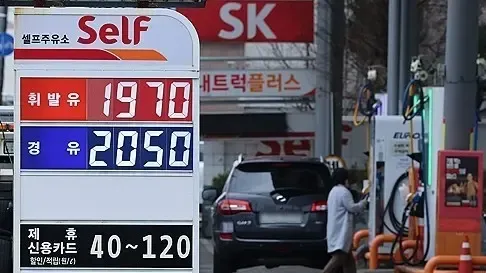
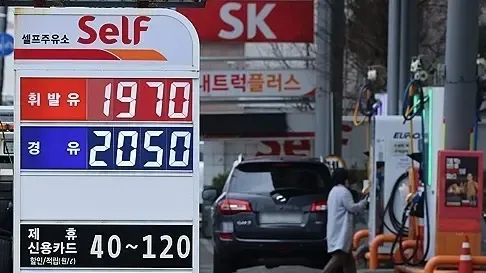
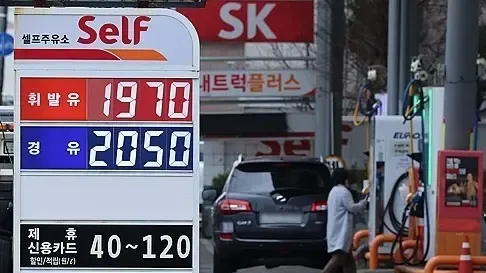
The average gasoline price in Seoul surpassed 1,900 won (US$1.28) per liter for the first time in nearly four years on Friday, climbing further to 1,947.4 won as of 9 a.m., based on data from the Korea National Oil Corp.
In response to public outcry, the Korea Oil Station Association recently indicated that the primary factor behind the surge in domestic fuel prices was the increase in supply prices by oil refiners.
The government issued a precautionary alert last week regarding a potential resource crisis to proactively address volatility in the energy market amid ongoing turmoil in the Middle East, working to secure additional oil supplies from regions outside the Middle East and developing a detailed plan for the possible release of oil reserves.
Point of View
It is crucial to understand the implications of rising global oil prices on the South Korean economy. Companies are facing significant challenges, and the government's proactive stance illustrates the urgency of stabilizing fuel prices for consumers. This issue transcends corporate interests, affecting the broader economic landscape.
NationPress
26 Sept 2026
Frequently Asked Questions
What actions are South Korean companies taking regarding rising oil prices?
South Korean companies are convening emergency meetings to monitor the energy market and implement risk-hedging strategies, particularly in the airline and shipping sectors.
How is the government responding to rising fuel prices?
The South Korean government is urging major oil refiners to avoid excessive price hikes and has issued alerts to preemptively address potential resource crises.
What is the current price of gasoline in Seoul?
The average gasoline price in Seoul has recently exceeded 1,900 won (US$1.28) per liter, marking the highest level in nearly four years.
What potential economic impact could rising oil prices have?
According to a report by the Hyundai Research Institute, Korea's economic growth rate could decline by 0.3 percentage points by 2026 if oil prices remain around US$100 per barrel.
Why are domestic fuel prices rising?
The Korea Oil Station Association attributes the recent spike in domestic fuel prices primarily to increased supply prices set by oil refiners.