S. Korea's Call for Oil Refiners to Limit Price Increases
Synopsis
In light of soaring international crude oil prices, South Korea's Industry Minister Kim Jung-kwan has urged oil refiners to avoid excessive price hikes. This appeal comes amid heightened tensions in the Middle East, which have impacted global oil prices significantly.
Key Takeaways
Minister Kim Jung-kwan urges oil refiners to limit price increases.
Soaring crude oil prices linked to Middle Eastern unrest.
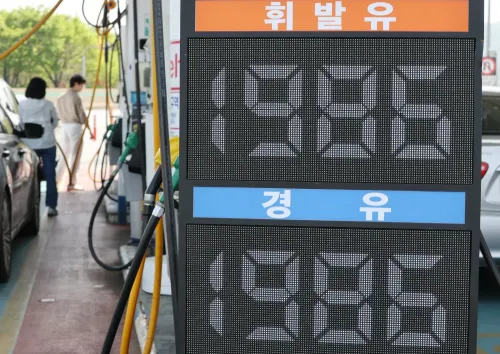
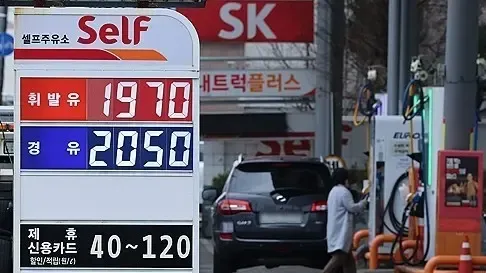
Average gasoline price in Seoul surpasses 1,900 won.
Government considering a price cap on oil for the first time in 30 years.
Intensified measures against unfair market practices in energy.
Seoul, March 9 (NationPress) The Minister of Industry, Kim Jung-kwan, urged leading oil refiners on Monday to avoid significant price increases in light of the recent spike in global crude oil prices stemming from the ongoing unrest in the Middle East, as reported by his office.
"We request the implementation of transparent and equitable pricing for petroleum products to ensure that the burden of rising international oil prices, resulting from the current Middle Eastern turmoil, is not disproportionately or excessively transferred to consumers," stated Kim during a gathering with representatives from the oil refinery sector and relevant authorities in Seoul, according to the Ministry of Trade, Industry and Resources.
Attendees at the meeting included officials from SK Energy, GS Caltex, S-Oil, and HD Hyundai Oil Bank, as per Yonhap news agency.
Kim pointed out that although domestic oil prices typically adjust based on global prices within a two-week period, local prices have surged rapidly following military actions taken by the United States and Israel against Iran last week.
The minister cautioned that any efforts to exploit rising international oil prices to the detriment of public welfare would lead to serious consequences.
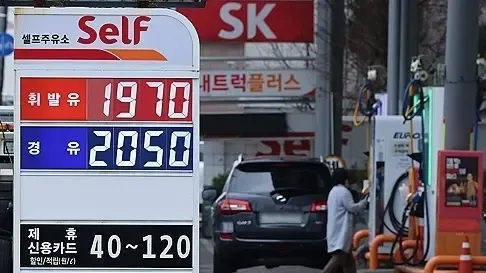
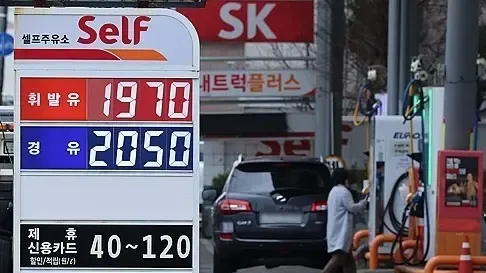
The average gasoline price in Seoul crossed the 1,900 won ($1.28) mark per liter for the first time in nearly four years on Friday and increased further to 1,945 won by Sunday, according to data from the Korea National Oil Corp.
In response to public discontent, the Korea Oil Station Association previously indicated that the main factor behind the recent surge in domestic fuel prices was the increase in supply prices by oil refineries.
Last week, the government issued a precautionary alert regarding a potential resource crisis to proactively address instability in the energy market, seeking to procure additional oil supplies from regions outside the Middle East and formulating a detailed strategy for the potential release of oil reserves.
The government is also intensifying its crackdown on unfair market practices related to energy supplies while considering the introduction of a price cap system for oil for the first time in almost 30 years.
Point of View
The urgent plea by Minister Kim highlights the critical balance between energy supplier pricing strategies and consumer welfare. With rising global oil prices linked to geopolitical instability, the government's proactive measures reflect an understanding of the economic pressures on citizens.
NationPress
5 Oct 2026
Frequently Asked Questions
What prompted the South Korean government's appeal to oil refiners?
The appeal was prompted by a recent surge in international crude oil prices due to escalating tensions in the Middle East.
Who attended the meeting regarding oil price regulations?
Officials from major oil companies including SK Energy, GS Caltex, S-Oil, and HD Hyundai Oil Bank attended the meeting.
What is the current average gasoline price in Seoul?
The average gasoline price in Seoul recently surpassed 1,900 won ($1.28) per liter.
What measures is the South Korean government considering to stabilize oil prices?
The government is contemplating the implementation of a price cap system for oil and is intensifying crackdowns on unfair market practices.
How do international events affect local oil prices?
Domestic oil prices typically reflect changes in global oil prices, but can escalate rapidly in response to significant international events.