South Korea Extends Fuel Price Caps for 2 More Weeks Amid Global Volatility
Synopsis
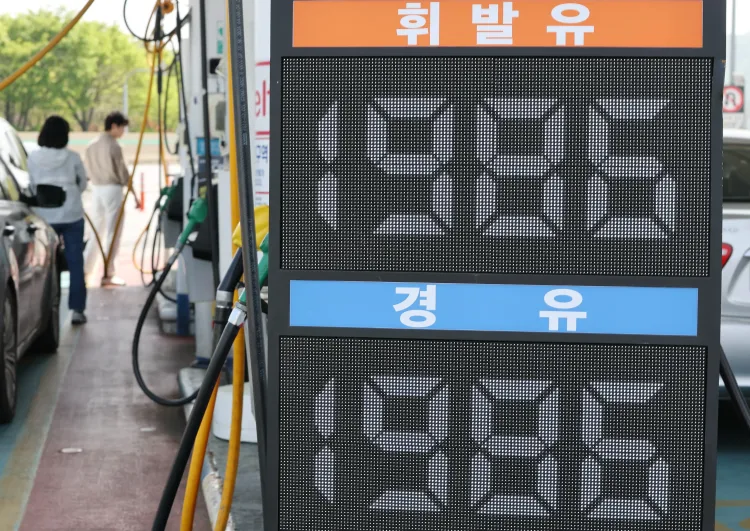
South Korea has frozen fuel price caps for a second consecutive fortnight, keeping gasoline at 1,934 won, diesel at 1,923 won, and kerosene at 1,530 won per litre. Despite global fuel prices falling up to 14%, Seoul cites US-Iran ceasefire fragility and pre-war price comparisons as reasons to maintain the intervention.
Key Takeaways
South Korea has extended its fuel price cap system for a second consecutive two-week period as of April 23, 2025 .
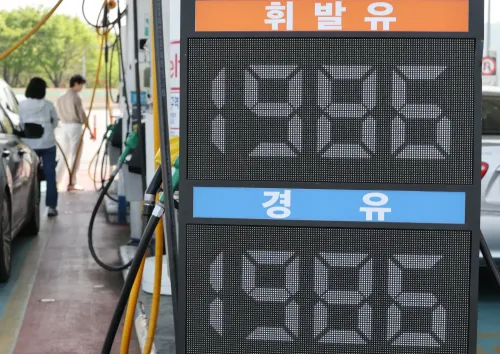
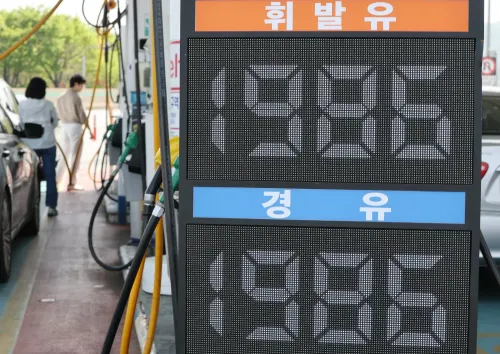
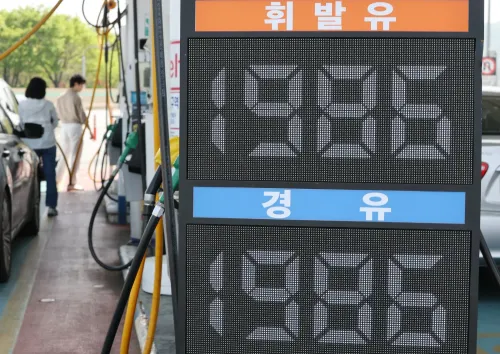
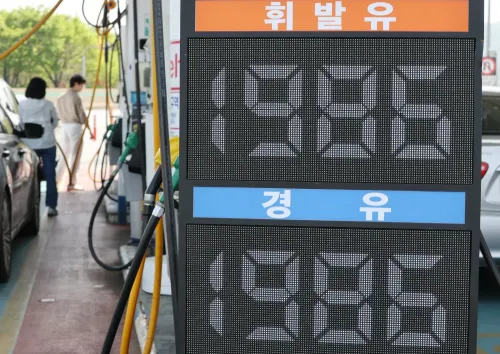
Maximum prices remain fixed at 1,934 won/litre for gasoline , 1,923 won/litre for diesel , and 1,530 won/litre for kerosene .
Global fuel prices fell significantly over the past two weeks — gasoline by 8% , diesel by 14% , and kerosene by 2% — but domestic caps remain in place.
Policy advisor Nam Kyung-mo cited the fragile US-Iran ceasefire and above-pre-war price levels as justification for continuing the measure.
Without the caps, consumers could face prices as high as 2,800 won/litre for diesel ; the government will fiscally compensate oil refineries for losses.
Supply chains for semiconductors, automobiles, shipbuilding , and the medical sector remain unaffected, with alternative material imports secured.
Seoul, April 23 — South Korea has extended its fuel price cap system for another two weeks, keeping maximum retail prices on gasoline, diesel, and kerosene unchanged as the government cited ongoing global energy market instability and the need to manage domestic fuel demand. The decision, announced on Thursday by the Ministry of Trade, Industry and Resources, marks the second consecutive freeze of price ceilings under a system introduced in mid-March 2025.
Current Price Ceilings Remain Frozen
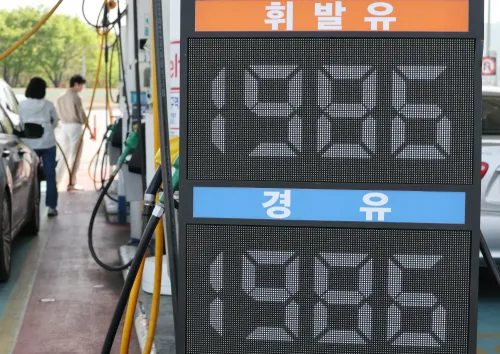
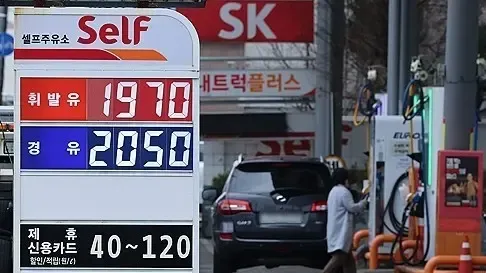
Under the extended freeze, oil refineries supplying fuel to gas stations across South Korea must continue adhering to the following maximum prices: 1,934 won (approximately US$1.3) per litre for regular gasoline, 1,923 won per litre for diesel, and 1,530 won per litre for kerosene.
These caps are reviewed and reset on a bi-weekly basis under the government's price stabilization framework. The system was originally launched to shield South Korean consumers from sharp fuel price spikes driven by geopolitical tensions in the Middle East.
Why the Government Chose to Maintain the Cap
Nam Kyung-mo, policy advisor to the industry minister, clarified that despite a notable decline in international fuel prices over the past two weeks — with global gasoline prices falling roughly 8 percent, diesel by 14 percent, and kerosene by 2 percent — the government is not yet considering scrapping the cap system.
Nam cited the fragile ceasefire between the United States and Iran as a key source of uncertainty, noting that domestic fuel prices remain significantly elevated compared to pre-war levels. The advisor's remarks came a day after the prime minister suggested the government would carefully review whether to continue the measure.
Without the price ceiling system, Nam stated that gasoline would have been priced at around 2,200 won per litre, diesel at 2,800 won, and kerosene at 2,500 won — far above current capped levels, illustrating the direct financial relief the policy provides to consumers.
Fiscal Compensation for Oil Refineries
The government has reaffirmed its commitment to provide fiscal compensation to domestic oil refineries that incur financial losses as a direct result of the mandatory price ceiling. This measure is intended to ensure that refineries continue stable supply operations without absorbing undue financial burdens from the regulatory cap.
The compensation mechanism is a critical component of the system's sustainability, as it prevents supply-side disruptions that could otherwise arise if refineries were forced to sell below market rates without relief.
Industrial Materials Supply Remains Stable
In a broader update on supply chain stability, the Ministry of Trade, Industry and Resources confirmed that no disruptions have been recorded in the supply of key industrial materials. Sectors including semiconductors, automobiles, and shipbuilding continue to operate without interruption, with South Korea successfully importing alternative sources of critical inputs such as helium and hydrogen bromide.
On the medical supply front, the ministry noted that adequate stockpiles of IV solution packaging materials, syringes, and medical gloves have been secured, ensuring continuity in the healthcare sector amid ongoing global supply chain pressures.
What to Expect Next
The fuel price cap system will be reviewed again within the next two weeks, with the government's decision likely hinging on developments in the US-Iran geopolitical situation and the trajectory of international crude oil prices. Analysts and industry stakeholders will closely watch whether Seoul begins phasing out the intervention as global energy markets show signs of stabilization or opts for a further extension if volatility persists.
Frequently Asked Questions
What are the current fuel price caps in South Korea?
South Korea's current fuel price caps set maximum prices at 1,934 won per litre for regular gasoline, 1,923 won per litre for diesel, and 1,530 won per litre for kerosene. These caps apply to prices charged by oil refineries to gas stations across the country.
Why did South Korea extend its fuel price cap system?
South Korea extended the fuel price cap system due to ongoing uncertainty in global energy markets, particularly the fragile ceasefire between the United States and Iran. Despite recent declines in international fuel prices, domestic prices remain high compared to pre-conflict levels.
When was South Korea's fuel price cap system introduced?
South Korea's fuel price cap system was introduced in mid-March 2025 to stabilize domestic fuel prices amid global energy market volatility. The government reviews and resets the caps on a bi-weekly basis.
How much would fuel cost in South Korea without the price caps?
Without the price ceiling system, gasoline would cost around 2,200 won per litre, diesel approximately 2,800 won, and kerosene about 2,500 won, according to policy advisor Nam Kyung-mo. The caps are providing significant consumer savings compared to these unregulated price levels.
Will South Korea end its fuel price cap system soon?
The South Korean government is currently not considering terminating the fuel price cap system, citing Middle East geopolitical uncertainties and persistently high fuel prices. The next review is scheduled within two weeks, and a decision to phase out the measure will depend on global energy market conditions.