South Korea Sees 2.2% Consumer Price Increase Amid Rising Oil Costs
Synopsis
As global oil prices surge due to Middle Eastern tensions, South Korea's consumer prices rise by 2.2% in March, surpassing the government's inflation target. The increase is primarily driven by significant hikes in petroleum product prices, impacting overall economic stability.
Key Takeaways
Consumer prices in South Korea rose by 2.2% in March.
Driven mainly by global oil price increases .
Petroleum product prices jumped 9.9% year-on-year.
Agricultural product prices decreased by 5.6% .
The government is working to stabilize prices through a fuel price cap system .
Seoul, April 2 (NationPress) In March, consumer prices in South Korea experienced a 2.2% increase compared to the same month last year, primarily driven by rising global oil prices linked to ongoing tensions in the Middle East, as reported by government data on Thursday.
This inflation rate exceeds the government's 2% target and represents the highest year-on-year increase since December, where inflation was recorded at 2.3%, according to the Ministry of Data and Statistics, as detailed by Yonhap news agency.
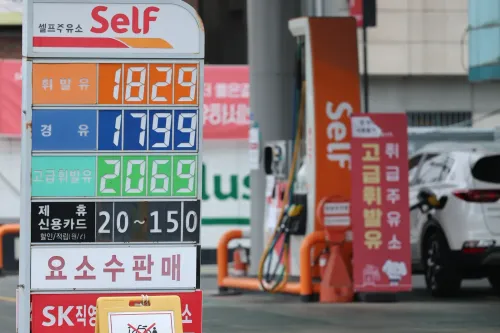
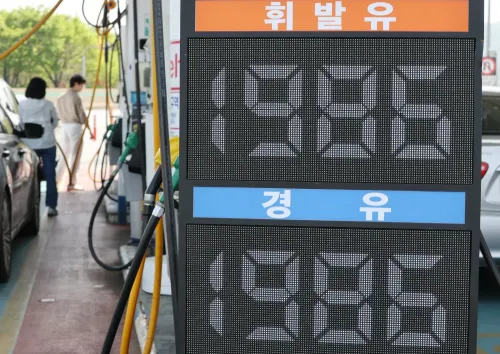
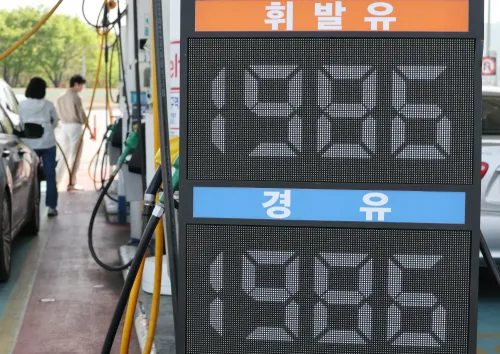
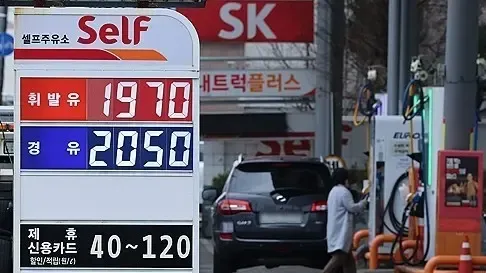
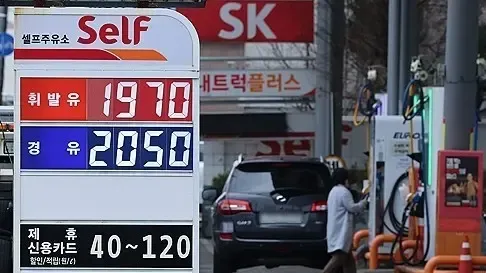
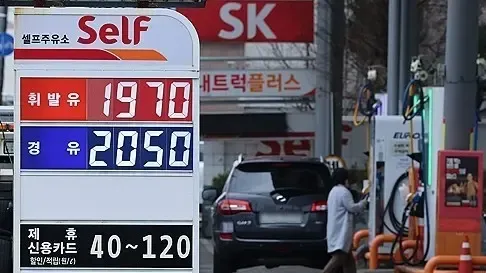
The significant rise was largely influenced by a 9.9% surge in the prices of petroleum products, marking the most substantial increase since October 2022, when prices soared by 10.3% due to the Russia-Ukraine conflict.
Specifically, the costs of diesel and gasoline saw increases of 17% and 8% year-on-year, respectively.
Lee Doo-won, a ministry official, explained, "The demand for gasoline is mostly restricted to passenger vehicles, while diesel is essential for transportation and goods, which accounts for the larger price rise."
Global oil prices have surged significantly following the effective closure of the Strait of Hormuz due to U.S.-Israeli airstrikes on Iran in late February, which has disrupted global oil supply chains. South Korea is heavily reliant on energy imports.
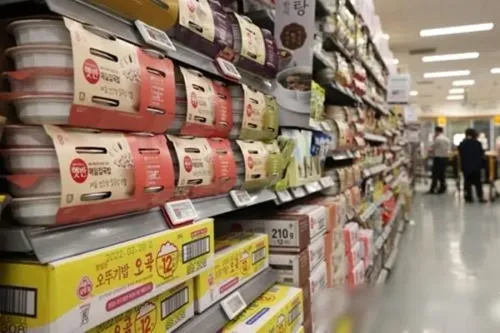
Meanwhile, prices of agricultural, livestock, and fishery products dipped by 0.6%, driven largely by a 5.6% drop in agricultural product prices. Conversely, livestock and fishery product prices saw increases of 6.2% and 4.4%, respectively.
Service prices edged up by 2.4% from the previous year, primarily due to rising insurance costs.
Processed food prices recorded a 1.6% year-on-year increase in March, a slowdown from 2.1% growth in the prior month, registering the lowest growth rate since November 2024.
Prices of sugar fell by 3.1% year-on-year following factory price reductions, while flour prices decreased by 2.3%.
Excluding volatile food and energy prices, core inflation rose by 2.2% year-on-year last month, according to the ministry.
The government noted that the increase in consumer prices, despite the rise in fuel costs, was somewhat mitigated by a fuel price cap system and assured ongoing efforts to stabilize prices amidst persistent volatility.
Point of View
The recent spike in consumer prices in South Korea highlights the ongoing challenges posed by global oil market fluctuations. The government is under pressure to implement effective measures to stabilize prices and protect consumers from rising costs, especially as geopolitical tensions continue to affect energy supplies.
NationPress
19 Sept 2026
Frequently Asked Questions
What caused the rise in consumer prices in South Korea?
The rise in consumer prices was primarily caused by a significant increase in global oil prices due to ongoing tensions in the Middle East.
How much did petroleum product prices increase?
Petroleum product prices surged by 9.9% year-on-year, marking the highest increase since October 2022.
What is the government's inflation target?
The government's inflation target is set at 2%, which has now been exceeded by the current inflation rate of 2.2%.
How have agricultural product prices been affected?
Agricultural product prices fell by 5.6% year-on-year, contributing to a 0.6% decline in the prices of agricultural, livestock, and fishery products.
What measures is the government taking to stabilize prices?
The government is utilizing a fuel price cap system and pledging to continue efforts to stabilize prices amidst ongoing volatility.