South Korea inflation hits 21-month high at 2.6% as fuel prices surge
Synopsis
South Korea's consumer inflation hit a 21-month high of 2.6% in April, with diesel prices up a staggering 30.8% year-on-year. The culprit: the effective closure of the Strait of Hormuz following US-Israeli strikes on Iran, which has disrupted global oil flows and hit import-dependent South Korea particularly hard — even as government price caps soften the blow.
Key Takeaways
South Korea's consumer prices rose 2.6 percent year-on-year in April — the fastest pace in 21 months .
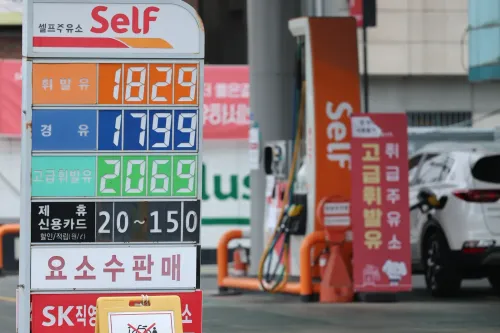
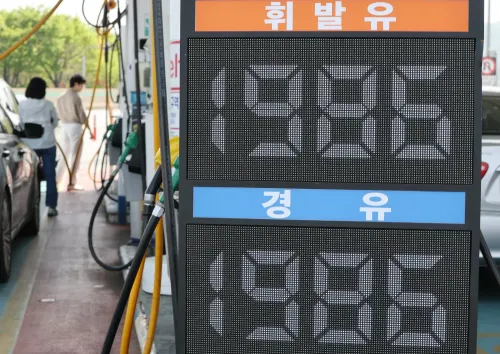
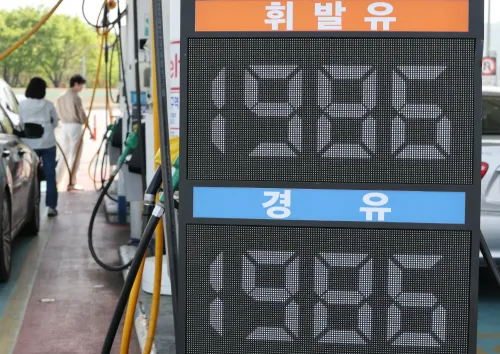
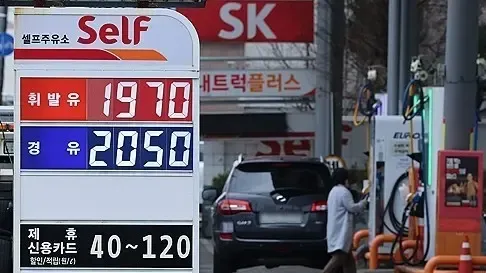
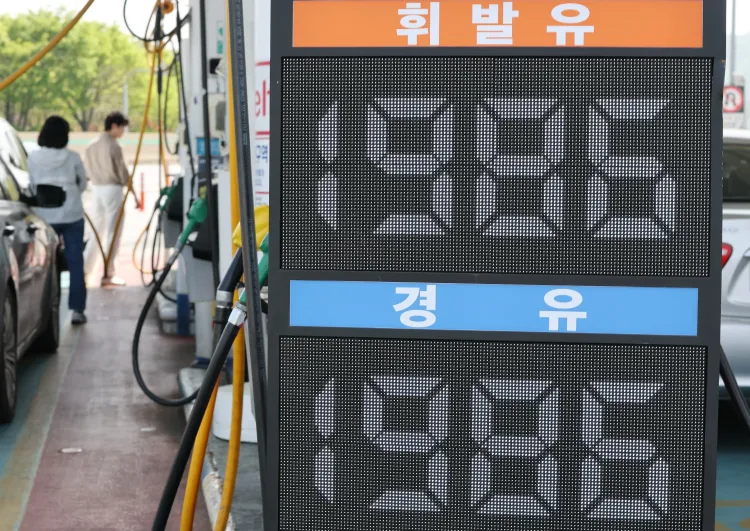
Petroleum product prices surged 21.9 percent , with diesel up 30.8 percent and gasoline up 21.1 percent — both at their steepest since July 2022 .
The Strait of Hormuz closure following US-Israeli strikes on Iran in late February has disrupted global oil supplies.
Government fuel price caps and a temporary fuel tax cut reduced overall inflation by 1.2 percentage points , according to First Vice Finance Minister Lee Hyoung-il .
International airfares surged 15.9 percent in April, up sharply from 0.8 percent the previous month, driven by higher fuel surcharges.
South Korea's consumer prices rose at their fastest pace in 21 months in April, climbing 2.6 percent year-on-year, as soaring fuel costs tied to the Middle East conflict drove the sharpest inflation reading since July 2024, according to data released by the Ministry of Data and Statistics on Wednesday. The surge is putting pressure on households and policymakers alike in an economy heavily dependent on imported energy.
Fuel Prices Drive the Surge
The primary engine behind the inflation spike was a dramatic rise in petroleum product prices, which jumped 21.9 percent from a year earlier — the sharpest such increase since July 2022. Diesel and gasoline prices were the most affected, surging 30.8 percent and 21.1 percent on-year, respectively, both also marking their steepest climbs since July 2022.
The broader context is a global oil supply disruption: the Strait of Hormuz has effectively been closed since US-Israeli strikes on Iran in late February, throttling a critical artery for global crude shipments. South Korea, which relies overwhelmingly on imports to meet its energy needs, has been among the most exposed economies to the resulting price shock.
Government Caps Cushion the Blow
Authorities have moved to contain the damage. Under a price cap system adopted in March, the government sets maximum prices for fuel products supplied by refiners to gas stations and distributors every two weeks, adjusting them to reflect changes in global oil prices.
Lee Doo-won, a ministry official, said the measures had a moderating effect not only on fuel prices but also on overall consumer inflation, adding,
Point of View
At its core, an energy vulnerability story. The country's near-total dependence on imported oil means every geopolitical shock in the Gulf lands directly on Korean household budgets. The government's price cap mechanism is a sensible short-term buffer, but it cannot hold indefinitely if global crude stays elevated — and the Strait of Hormuz shows no signs of reopening. The 1.2 percentage-point reduction from intervention measures also raises a pointed question: without those caps, inflation would have crossed 3.8%, a level that would force far more aggressive monetary policy action. The structural fix — energy diversification — remains as elusive as ever.
NationPress
23 Sept 2026
Frequently Asked Questions
Why did South Korea's consumer prices rise sharply in April?
South Korea's consumer prices rose 2.6 percent year-on-year in April, the fastest pace in 21 months, primarily driven by soaring petroleum product prices linked to the disruption of global oil supplies after the Strait of Hormuz was effectively closed following US-Israeli strikes on Iran in late February.
How much did fuel prices rise in South Korea in April?
Petroleum product prices jumped 21.9 percent year-on-year in April. Diesel prices surged 30.8 percent and gasoline prices rose 21.1 percent — both the sharpest on-year increases since July 2022.
What measures has the South Korean government taken to control inflation?
The government introduced a fuel price cap system in March, setting maximum prices for fuel supplied by refiners to gas stations every two weeks. A temporary fuel tax cut was also implemented. Together, these measures reduced overall consumer inflation by 1.2 percentage points, according to First Vice Finance Minister Lee Hyoung-il.
How have rising oil prices affected airfares in South Korea?
Rising oil prices pushed up fuel surcharges, causing international airfare costs to accelerate sharply to 15.9 percent in April from just 0.8 percent the previous month. Domestic airfares, which rose 0.8 percent, are also expected to increase further in May.
Are South Korean fuel prices expected to rise further?
Yes, according to ministry official Lee Doo-won, fuel prices may see a slight increase in May despite the government's price stabilisation measures. Domestic airfares are also expected to rise further next month.