Supreme Court issues show-cause notices to all states over sanitary napkin PIL
Synopsis
Every state and Union Territory in India has been collectively rebuked by the Supreme Court for ignoring a PIL on affordable sanitary napkins — a public health issue affecting millions of rural women. With ₹25,000 cost threats now hanging over each Chief Secretary, the apex court is forcing executive accountability on a policy gap that has existed for years despite a ₹1-per-pad scheme already in place.
Key Takeaways
The Supreme Court issued show-cause notices to the Chief Secretaries of all States and Union Territories on 23 September 2026 .
Each state/UT faces potential costs of ₹25,000 for failing to file reply affidavits or compliance reports despite being duly served.
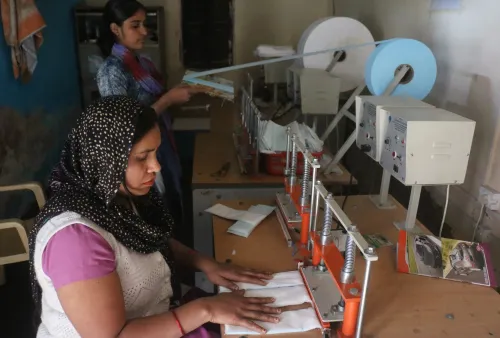
The PIL, filed through advocate Filza Moonis , seeks distribution of Jan Aushadhi Suvidha sanitary napkins (priced at Re 1 per pad ) through Fair Price Shops under the National Food Security Act.
As of 14 April 2026 , there were 4,78,773 Fair Price Shops versus only 19,294 Jan Aushadhi Kendras — a gap of approximately 24 times .
The petition invokes the SC's own ruling in Dr Jaya Thakur v.
Government of India , recognising menstrual health as part of the right to life under Article 21 .
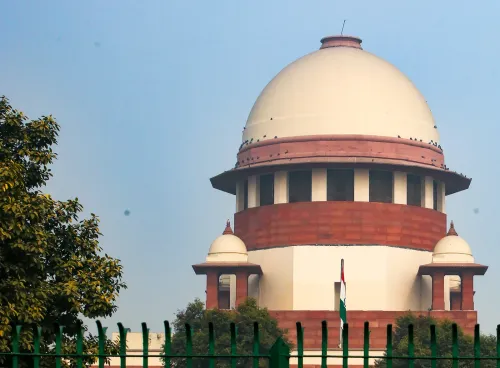
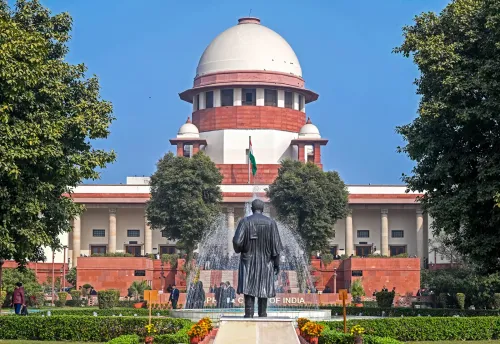
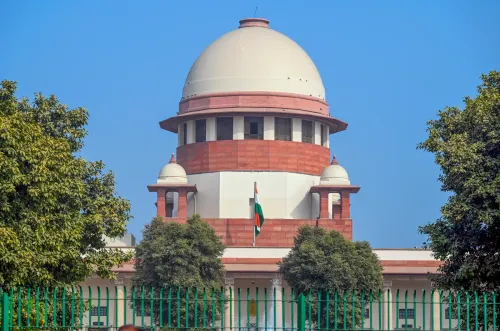
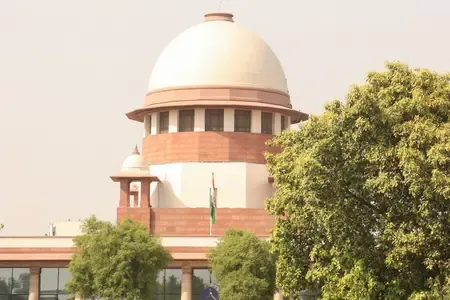
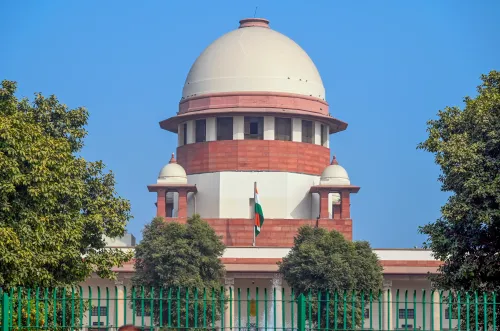
The Supreme Court of India on 23 September 2026 issued show-cause notices to the Chief Secretaries of all States and Union Territories, demanding an explanation as to why costs of ₹25,000 should not be imposed on each of them for failing to file reply affidavits or compliance reports in a public interest litigation seeking wider access to affordable menstrual hygiene products.
What the Court Said
A bench comprising Chief Justice of India (CJI) Surya Kant and Justices Joymala Bagchi and V. Mohana took sharp note of the collective non-compliance. 'As per the Office Report, all the States have been duly served. However, none of the Respondents have come forward with their reply affidavit(s)/compliance report(s),' the CJI-led bench recorded in its order.
The court directed that notices be issued to each Chief Secretary 'as to why costs of Rs. 25,000 should not be imposed on each state/Union Territory' for the failure to respond — an unusual rebuke that signals the bench's impatience with executive inaction on a women's health issue.
Background and the PIL
The PIL was filed through advocate Filza Moonis on behalf of a senior citizen and social worker. It seeks directions compelling the government to make Jan Aushadhi Suvidha oxo-biodegradable sanitary napkins — priced at Re 1 per pad under a 2018 scheme — available through the Fair Price Shop network to ration card holders covered under the National Food Security Act, 2013.
The petitioner argues that the existing Jan Aushadhi Kendra network, with 19,294 outlets as of 14 April 2026, falls far short of the 4,78,773 Fair Price Shops operating under the Public Distribution System — making the Fair Price Shop network approximately 24 times larger and far better positioned to reach rural and economically weaker populations.
Constitutional and Legal Basis
The petition invokes Articles 14, 15(3), 21, 21A and 47 of the Constitution, as well as obligations under the National Food Security Act. It also relies on the Supreme Court's own judgment in Dr Jaya Thakur v. Government of India, which recognised the right to menstrual health as an integral component of the right to life under Article 21.
Data from the National Family Health Survey and other government sources cited in the petition highlight persistent gaps in menstrual hygiene access, particularly among rural and economically disadvantaged adolescent girls.
Chronology and What Comes Next
The Supreme Court had initially issued notice on the petition on 14 July 2026, making it returnable on 7 September 2026. The show-cause notices issued on Tuesday represent an escalation, given that all states had been duly served yet none responded by the court's deadline. States and Union Territories must now explain their silence or risk financial penalties — a development that could accelerate executive engagement with a policy question that has lingered at the intersection of public health and social equity for years.
Point of View
Even after being duly served. That collective silence — on a case backed by government's own NFHS data and a scheme the Centre itself launched in 2018 — signals either bureaucratic indifference or a deliberate effort to avoid accountability. The Jan Aushadhi Suvidha napkin at Re 1 exists on paper; the gap is last-mile delivery, which Fair Price Shops could close. The court is now doing what legislatures have not: compelling states to at minimum explain themselves on a public health question that disproportionately affects rural adolescent girls and women below the poverty line.
NationPress
23 Sept 2026
Frequently Asked Questions
Why has the Supreme Court issued show-cause notices to all states in the sanitary napkin PIL?
The Supreme Court issued show-cause notices because all states and Union Territories, despite having been duly served with the court's earlier notice, failed to file their reply affidavits or compliance reports. The bench warned that costs of ₹25,000 may be imposed on each non-compliant state or UT.
What does the PIL in the sanitary napkin case demand?
The PIL filed through advocate Filza Moonis seeks a Supreme Court direction to make Jan Aushadhi Suvidha oxo-biodegradable sanitary napkins — available at Re 1 per pad — accessible through the Fair Price Shop network to all ration card holders covered under the National Food Security Act, 2013.
Why are Fair Price Shops preferred over Jan Aushadhi Kendras for this scheme?
As of 14 April 2026, there were 4,78,773 Fair Price Shops under the Public Distribution System compared to only 19,294 Jan Aushadhi Kendras, making the former roughly 24 times larger and far better positioned to serve rural and economically weaker sections.
What is the legal basis of the menstrual health PIL?
The petition invokes Articles 14, 15(3), 21, 21A, and 47 of the Constitution and obligations under the National Food Security Act. It also relies on the Supreme Court's own ruling in Dr Jaya Thakur v. Government of India, which recognised the right to menstrual health as part of the right to life under Article 21.
What happens next in the Supreme Court sanitary napkin PIL?
Following the show-cause notices issued on 23 September 2026, Chief Secretaries of all states and UTs must now respond and explain why cost penalties should not be imposed. The court's escalation is expected to compel executive engagement on the policy gap around affordable menstrual hygiene distribution.