SC orders states, UTs to meet menstrual hygiene school deadline by Aug 15
Synopsis
The Supreme Court has given states and UTs until 15 August to implement its menstrual hygiene orders in schools — but the ground reality is stark: 98,592 government schools have no functional girls' toilets, most states haven't even filed compliance reports, and Madhya Pradesh has allocated just ₹60 lakh for the entire state's sanitary needs. A September review will determine whether the court's landmark ruling translates into real change.
Key Takeaways
The Supreme Court set a 15 August deadline for all states and UTs to implement menstrual hygiene management directions in schools.
A NITI Aayog 2026 report cited in court found 98,592 government schools lack functional girls' toilets; 61,540 have no usable toilets at all.
Only Chandigarh has submitted a compliance report so far; most states are yet to respond.
Madhya Pradesh allocated just ₹60 lakh for sanitary products across all its schools for FY 2026-27 .
The court's landmark ruling held menstrual hygiene access as a fundamental right under Article 21 of the Constitution.
The matter will be reviewed again in September 2025 .
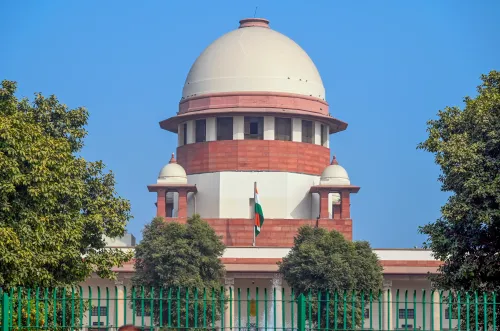
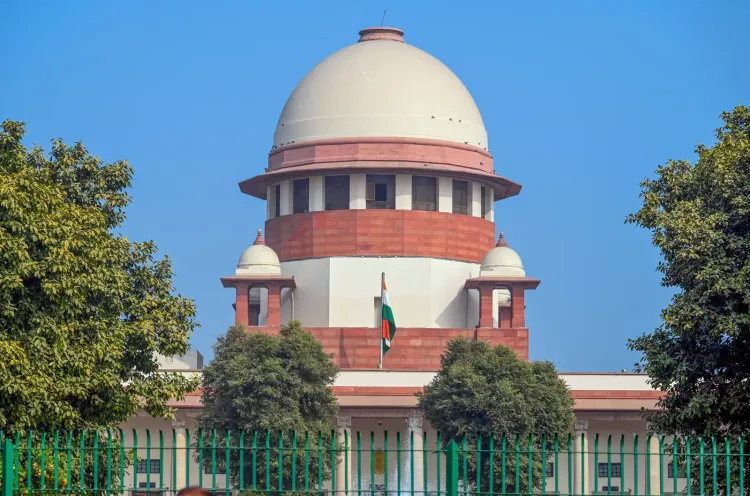
The Supreme Court on Monday, 25 May directed all states and Union Territories (UTs) to implement its orders on menstrual hygiene management in schools by 15 August and submit compliance reports, as it continued monitoring its landmark ruling that recognised access to menstrual hygiene as a fundamental right under the Constitution.
Key Directions and Deadline
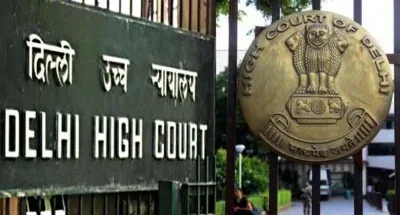
A Bench of Justices J.B. Pardiwala and R. Mahadevan set the 15 August deadline for full implementation and indicated the matter would return before the court in September for a compliance review. The directions arose from a public interest litigation filed by Congress leader Jaya Thakur, in which the apex court has been tracking ground-level execution of its earlier judgment mandating free sanitary napkins and functional girls' toilets in schools across the country.
The court had previously granted three months to the Centre, states, and UTs to put in place a suite of measures — including free sanitary napkins, functional gender-segregated toilets, menstrual hygiene awareness programmes, and safe sanitary waste disposal systems.
Petitioner Flags Serious Gaps
During Monday's hearing, the Justice Pardiwala-led Bench was briefed on compliance status by the Union government, alongside concerns raised by the petitioner about the pace and quality of implementation. In a short note placed before the court, the petitioner argued that the Centre's compliance affidavit 'has not placed any field report as to how the compliance has been really done' and instead focuses on 'future recommendation for implementing, proposed reforms and future road map, which can not be treated as compliance of the specific directions.'
The petitioner further noted that the vast majority of states had yet to file compliance reports — pointing out that 'only the Union Territory of Chandigarh has submitted its compliance report so far.'
Ground Reality: Toilets, Budgets, and Staffing
Citing a NITI Aayog report for 2026, the petitioner told the court that 98,592 government schools across India lack functional girls' toilets, while 61,540 schools have no usable toilets at all. These figures underscore the scale of the infrastructure deficit the court's directions seek to address.
Budgetary allocation was also flagged as a concern. The petitioner pointed out that Madhya Pradesh had allocated only ₹60 lakh for the entire state for the supply of sanitary products in schools for FY 2026-27 — a figure critics argue is wholly inadequate given the state's school-going population. The absence of permanent sanitation staff was another gap highlighted, with most states reportedly relying on municipalities and village panchayats for sanitation work rather than appointing dedicated toilet cleaners.
Background: The Landmark Ruling
The court's continuous monitoring stems from a landmark judgment delivered earlier this year, in which it held that access to menstrual hygiene is an integral part of a girl child's rights to life, dignity, health, and education under Article 21 of the Constitution. Observing that 'a period should end a sentence — not a girl's education', the Bench issued comprehensive directions covering free sanitary napkins, gender-segregated toilets, proper disposal mechanisms, and menstrual health awareness for all schools — both government and private.
On 8 May, the apex court had taken on record a detailed affidavit from the Union government outlining steps taken towards compliance and directed that a concise status note be shared with all parties.
What Happens Next
With the 15 August deadline now set, states and UTs face a firm court-mandated timeline to demonstrate on-ground progress. The September hearing will test whether the compliance reports reflect real implementation or remain, as the petitioner has warned, a collection of future proposals. All schools — government and private — are required to meet the infrastructure and hygiene standards laid down by the court.
Point of View
But rhetoric does not build toilets. Unless the September review is accompanied by enforceable consequences for non-compliant states, this risks becoming another well-intentioned judgment that moves slowly from courtroom to classroom.
NationPress
22 Sept 2026
Frequently Asked Questions
What has the Supreme Court directed regarding menstrual hygiene in schools?
The Supreme Court has directed all states and Union Territories to implement its menstrual hygiene management orders in schools by 15 August and file compliance reports. The directions include free sanitary napkins, functional gender-segregated toilets, menstrual health awareness programmes, and safe sanitary waste disposal systems in all schools.
How many schools in India lack functional girls' toilets?
According to a NITI Aayog report for 2026 cited before the Supreme Court, 98,592 government schools do not have functional girls' toilets, while 61,540 schools have no usable toilets at all. These figures were placed on record by petitioner Jaya Thakur to highlight gaps in implementation.
Which states have filed compliance reports so far?
As of the 25 May hearing, only the Union Territory of Chandigarh had submitted a compliance report. The petitioner flagged that most states are yet to furnish reports, and that the Centre's own affidavit lacked field-level evidence of actual implementation.
What is the legal basis for the Supreme Court's menstrual hygiene ruling?
The Supreme Court held earlier this year that access to menstrual hygiene is an integral part of a girl child's rights to life, dignity, health, and education under Article 21 of the Constitution. The ruling covers both government and private schools.
When will the Supreme Court next review compliance?
The Bench of Justices J.B. Pardiwala and R. Mahadevan indicated the matter will be taken up again in September 2025 to assess the status of compliance from all states and UTs against the 15 August deadline.