Menstrual Hygiene Policy for school girls: Centre backs states with NHM funds
Synopsis
The Centre has told Parliament it is channelling NHM support to states for menstrual hygiene in schools while simultaneously running one of the world's larger public dialysis networks — 1,856 centres, 13,535 machines across 751 districts. Both programmes hinge on state-level execution, and the government's own monitoring framework acknowledges gaps through its corrective-action mechanism for non-operational centres.
Key Takeaways
The Centre confirmed to the Rajya Sabha on Tuesday that the Menstrual Hygiene Policy for School-going Girls is implemented through coordinated state/UT action backed by NHM funding.
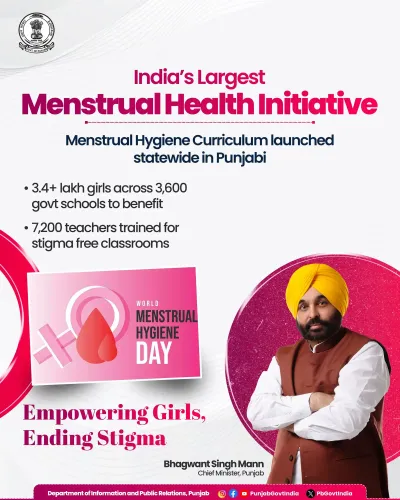
The Menstrual Hygiene Scheme (MHS) covers awareness, affordable sanitary napkins, safe disposal, and counselling on menstrual practices.
States submit proposals via Annual Programme Implementation Plans (PIPs) to access NHM support for menstrual hygiene.
The Pradhan Mantri National Dialysis Programme (PMNDP) is operational in all 36 states/UTs , covering 751 districts through 1,856 centres with 13,535 machines as of 30 June .
Non-operational dialysis centres are flagged during Common Review Missions (CRMs) for state-level corrective action.
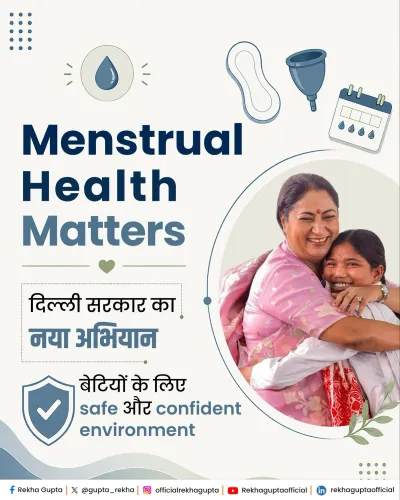
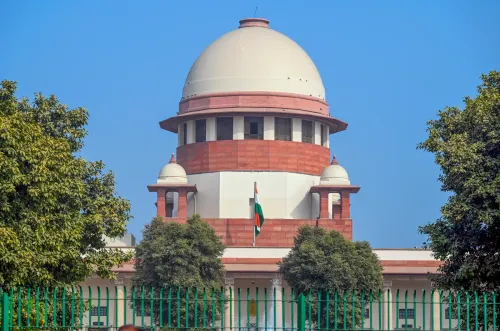
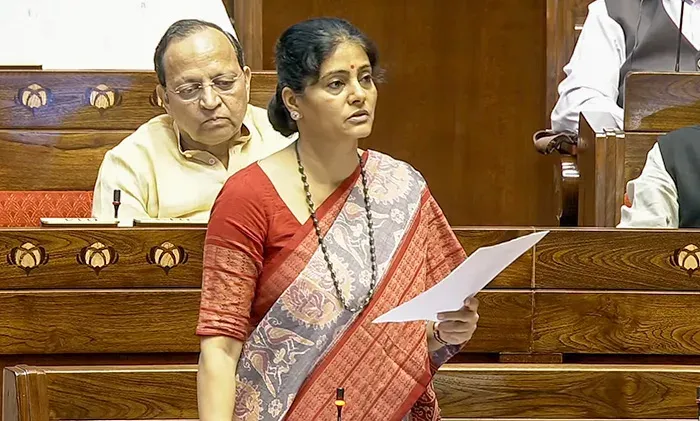
The Centre on Tuesday told the Rajya Sabha that the Menstrual Hygiene Policy for School-going Girls is implemented through coordinated action by states and Union Territories (UTs), with the Union government providing support via the National Health Mission (NHM) to promote safe and affordable menstrual hygiene in schools across India.
What the Menstrual Hygiene Scheme Covers
Minister of State for Health and Family Welfare Anupriya Patel, in a written reply, stated that the Union government implements the Menstrual Hygiene Scheme (MHS) with a focus on four pillars: awareness generation, access to quality and affordable sanitary napkins, safe and environment-friendly disposal, and counselling on safe menstrual practices.
Patel noted that Menstrual Health and Hygiene Management (MHM) is a multidimensional and inter-ministerial issue requiring coordinated action by multiple stakeholder ministries, departments, and states/UTs in accordance with their respective statutory mandates.
How States Are Supported Under NHM
Under the NHM, states and UTs are supported for Menstrual Hygiene Schemes based on their proposals submitted through Annual Programme Implementation Plans (PIPs), in line with regulatory norms. The Ministry also undertakes sustained Information, Education and Communication (IEC) activities through health facilities, community platforms, frontline health workers, digital dissemination mechanisms, and adolescent-focused programme platforms.
Monitoring Framework
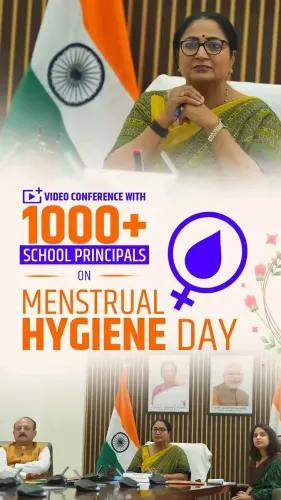
Patel said monitoring under the NHM is carried out through a multi-layered framework that includes review of state-wise key deliverables against approved targets during National Program Coordination Committee meetings with all states/UTs. Annual Common Review Missions (CRMs) provide independent, on-ground assessments of programme implementation, health system strengthening, and progress on key indicators.
Dialysis Programme: 1,856 Centres Across 36 States
In a separate reply to the Rajya Sabha, Minister of State for Health and Family Welfare Prataprao Jadhav said the Pradhan Mantri National Dialysis Programme (PMNDP) is now operational across all 36 states and UTs, covering 751 districts — including 44 linked districts — through 1,856 haemodialysis centres equipped with 13,535 haemodialysis machines as of 30 June.
Jadhav noted that the Ministry undertakes periodic monitoring through CRMs and visits by senior officers. Non-operational dialysis centres, if identified during reviews, are flagged to the concerned state or UT for corrective action. Responsibility for timely operationalisation, deployment of trained manpower including dialysis technicians, rests with the respective state/UT governments and their implementing partners, he added.
Both replies reflect the Centre's broader push to strengthen health delivery through state-level implementation, with accountability frameworks built into national programme monitoring cycles.
Point of View
Not whether it is working. The MHS has been on the books for years, yet access to sanitary napkins in rural schools remains uneven according to independent surveys. Framing MHM as a 'multidimensional, inter-ministerial' issue is accurate, but it also diffuses accountability: when states underdeliver, the Centre can point to PIP compliance, and states can point to fund flows. The dialysis numbers — 1,856 centres, 13,535 machines — are significant, but the admission that non-operational centres are merely 'flagged' to states suggests the Centre lacks direct enforcement leverage. Both programmes reveal the same structural tension in Indian health governance: ambitious national design, variable state execution, and monitoring frameworks that identify gaps without always closing them.
NationPress
26 Sept 2026
Frequently Asked Questions
What is the Menstrual Hygiene Scheme (MHS) for school girls in India?
The Menstrual Hygiene Scheme (MHS) is a Union government programme implemented through the National Health Mission (NHM) that promotes menstrual hygiene among adolescent girls. It covers awareness generation, access to affordable sanitary napkins, safe disposal, and counselling on safe menstrual practices, with states and UTs receiving support based on proposals in their Annual Programme Implementation Plans.
How does the Centre support states for menstrual hygiene in schools?
The Centre provides financial and technical support to states and UTs under the NHM, based on proposals submitted through Annual Programme Implementation Plans (PIPs). It also runs IEC activities through health facilities, frontline workers, digital platforms, and adolescent-focused programmes, and monitors progress through National Program Coordination Committee meetings and annual Common Review Missions.
What is the Pradhan Mantri National Dialysis Programme (PMNDP)?
The PMNDP is a national public health programme providing free haemodialysis services to patients in need. As of 30 June, it operates across all 36 states and UTs, covering 751 districts through 1,856 haemodialysis centres equipped with 13,535 machines.
Who is responsible for running dialysis centres under the PMNDP?
Responsibility for the timely operationalisation of dialysis centres, deployment of trained manpower including dialysis technicians, and day-to-day operations rests with the respective state and UT governments and their implementing partners, according to Minister of State Prataprao Jadhav.
How is the Centre monitoring these health schemes?
Monitoring is carried out through a multi-layered framework including National Program Coordination Committee meetings, annual Common Review Missions (CRMs), and visits by senior Ministry officers. Non-operational dialysis centres identified during reviews are flagged to concerned states and UTs for corrective action.