CM Rekha Gupta Launches Menstrual Health Matters Campaign
Synopsis
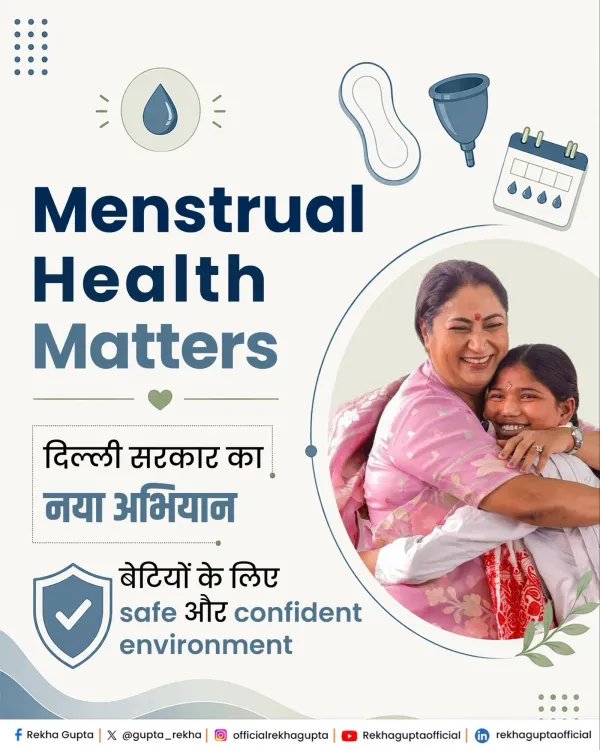
Delhi Chief Minister Rekha Gupta launched the 'Menstrual Health Matters' campaign on 30 May 2026, pledging that no girl in the capital will be left behind due to gaps in menstrual health information, awareness, or basic facilities.
Key Takeaways
Delhi CM Rekha Gupta announced the Menstrual Health Matters campaign on 30 May 2026 .
The campaign aims to eliminate gaps in menstrual health information, awareness, and basic facilities for girls in Delhi.
The initiative aligns with central schemes including the Menstrual Hygiene Scheme (2011) and Rashtriya Kishor Swasthya Karyakram (2014) .
Primary beneficiaries are adolescent girls and school students across the national capital.
The campaign is branded under the #ViksitDelhi governance framework of the BJP-led Delhi government.
Budget allocations and coordination with central health programmes remain to be detailed.
Delhi Chief Minister Rekha Gupta on Saturday, 30 May 2026, announced the launch of the Menstrual Health Matters campaign, a Delhi government initiative aimed at ensuring no girl is left behind due to lack of information, awareness, or basic facilities related to menstrual health.
Context
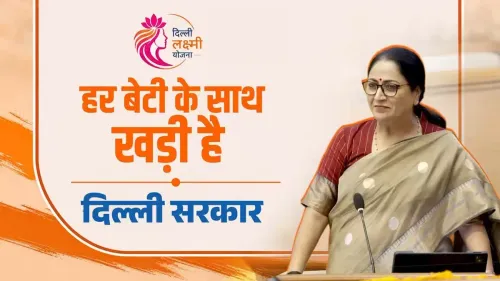
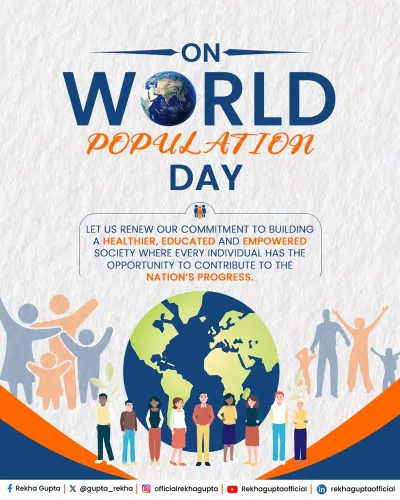
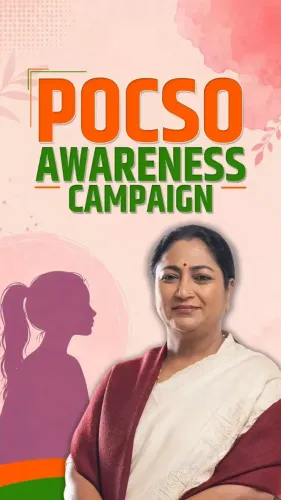
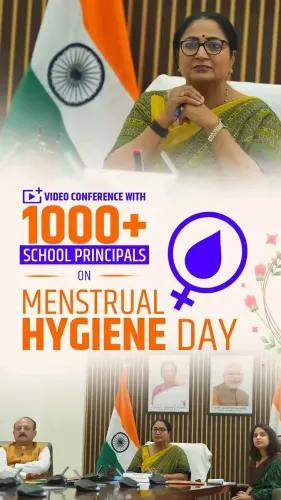
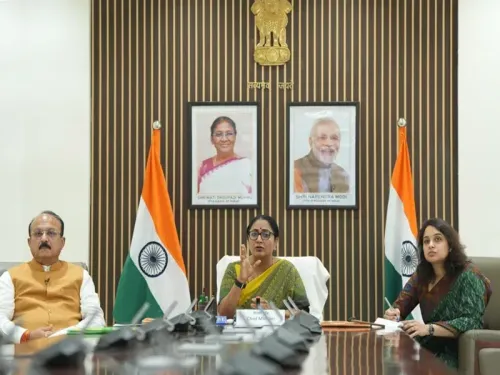
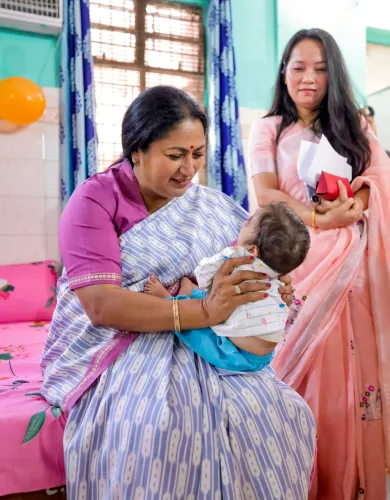
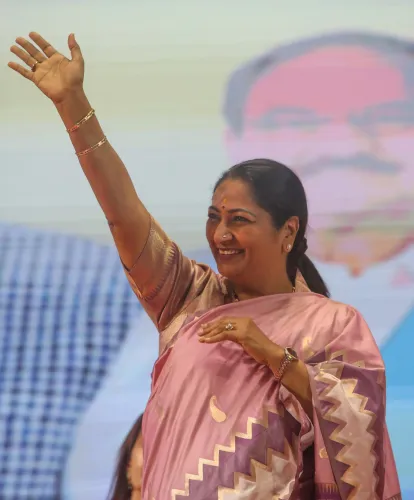
Posting on X under the hashtag #ViksitDelhi, Chief Minister Gupta declared: 'हर बेटी का स्वास्थ्य और सम्मान हमारी जिम्मेदारी है' ('The health and dignity of every daughter is our responsibility'). The post outlined that the campaign would address gaps in knowledge, awareness, and access to basic menstrual health facilities across the capital. The announcement was accompanied by three images, signalling an active rollout rather than a policy proposal.
Policy Backdrop
India's engagement with menstrual hygiene as a public health priority has deepened steadily since the 2010s. The central government's Menstrual Hygiene Scheme, launched in 2011 under the National Health Mission, introduced subsidised sanitary napkins for adolescent girls in rural areas. This was followed in 2014 by the Rashtriya Kishor Swasthya Karyakram, a Ministry of Health programme that placed menstrual hygiene education within a broader adolescent health framework.
The Beti Bachao Beti Padhao scheme, launched in 2015, further wove menstrual health awareness into its goals alongside girl-child education and protection. At the state level, Delhi's new campaign positions itself as a complementary layer to these central efforts, with an urban focus on school-going girls and adolescents in the national capital.
Stakeholders and Impact
The primary beneficiaries of the Menstrual Health Matters campaign are adolescent girls and school students in Delhi. Menstrual health gaps — including stigma, misinformation, and inadequate sanitation infrastructure — are documented contributors to school absenteeism among girls, making this a convergence point between health policy and education outcomes. Civic bodies, school administrations, and anganwadi networks are likely operational partners in delivering awareness modules and product access at the ground level.
India's broader Swachh Bharat Abhiyan has linked toilet infrastructure in schools to menstrual hygiene outcomes, a framework the Delhi campaign is expected to build upon. Successful implementation could reduce dropout rates among adolescent girls and normalise open conversation around menstrual health in an urban setting.
What's Next
Observers will watch for the Delhi government's budget allocations for sanitary product distribution and school-based awareness modules under this initiative. Key questions include whether the campaign will coordinate formally with existing central schemes and how outreach will be structured across Delhi's government schools and community health centres. The use of the #ViksitDelhi hashtag signals that the campaign is being framed as part of the BJP-led Delhi government's broader developed-Delhi governance narrative heading into the next administrative cycle.
Point of View
Reflecting a maturing political discourse around women's health in India. The #ViksitDelhi branding ties the initiative to a development-governance narrative the party is actively building in the capital. The real test will be in implementation specifics: whether the campaign delivers structural change in schools and communities, or remains at the level of awareness messaging.
NationPress
20 Sept 2026
Frequently Asked Questions
What is the Menstrual Health Matters campaign in Delhi?
The Menstrual Health Matters campaign is a Delhi government initiative launched by Chief Minister Rekha Gupta on 30 May 2026, aimed at ensuring adolescent girls and school students in Delhi have access to menstrual health information, awareness, and basic facilities.
Who launched the Menstrual Health Matters campaign?
Delhi Chief Minister Rekha Gupta, a BJP leader, launched the Menstrual Health Matters campaign on 30 May 2026 through an announcement on X.
How does Delhi's menstrual health campaign relate to central government schemes?
The campaign builds on existing central frameworks including the Menstrual Hygiene Scheme (2011) under the National Health Mission and the Rashtriya Kishor Swasthya Karyakram (2014), extending their reach with a state-level urban focus in Delhi.
Who will benefit from Delhi's Menstrual Health Matters campaign?
The primary beneficiaries are adolescent girls and school students in Delhi, with the campaign targeting gaps in knowledge, stigma, and access to basic menstrual health facilities.
What is the ViksitDelhi hashtag used in Rekha Gupta's menstrual health post?
#ViksitDelhi ('Developed Delhi') is a governance branding hashtag used by the BJP-led Delhi government to frame its policy initiatives as part of a broader vision of development for the national capital.