Pakistan's 2026-27 budget: Defence gets PKR 3 trillion as hunger worsens
Synopsis
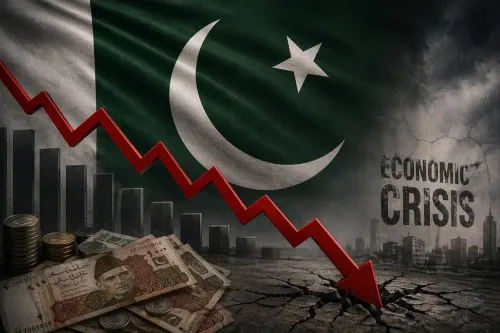
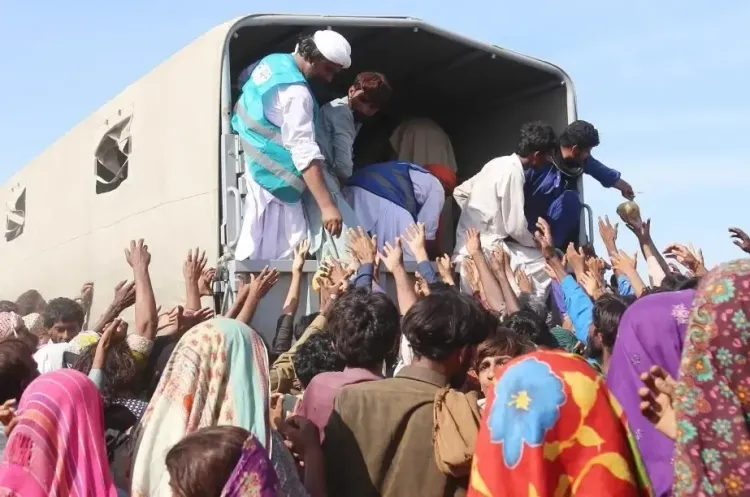
Pakistan is spending PKR 56 on its military for every rupee on citizens' health, even as it ranks 106th out of 122 countries on the 2026 Global Hunger Index — worse than debt-defaulted Sri Lanka. A collapsed wheat procurement drive has forced over $1 billion in emergency imports, and the defence budget has risen 17.6% while child stunting stands at 33.6%.
Key Takeaways
Pakistan's 2026-27 defence budget stands at PKR 3 trillion , up 17.6 per cent , with weapons procurement rising 39.6 per cent to PKR 925.8 billion .
Total health allocation is just PKR 53.3 billion ; military pensions alone at PKR 822 billion exceed the full health budget more than 15 times .
Pakistan scored 25.5 on the 2026 Global Hunger Index , ranking 106th out of 122 countries — worse than every functioning South Asian state.
Undernourishment affects 16.1 per cent of the population; child stunting among under-fives stands at 33.6 per cent .
Wheat procurement in Punjab collapsed to 480,000 tonnes against a 3 million tonne target, forcing imports of 3.5 million tonnes at a cost exceeding $1 billion .
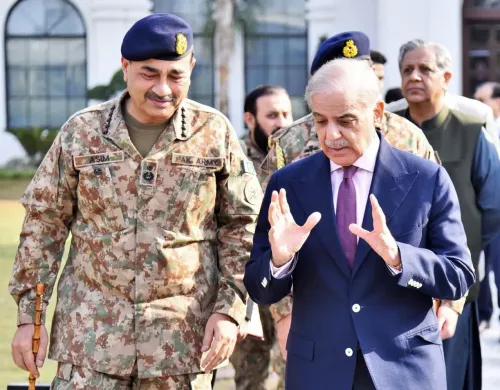
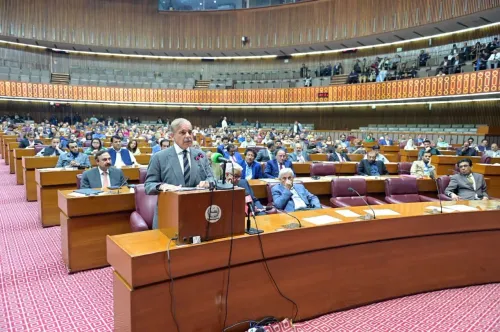
Pakistan's federal government has allocated PKR 3 trillion to defence services in its 2026-27 budget — a rise of 17.6 per cent — while simultaneously cutting back on food and health spending, even as hunger and malnutrition indicators across the country continue to deteriorate, according to a report published by the European Times. The allocation for physical assets, covering weapons procurement, surged 39.6 per cent to PKR 925.8 billion.
Health Budget Dwarfed by Military Pensions
Total health spending in the budget stands at just PKR 53.3 billion, of which only PKR 24.3 billion covers the entire health and nutrition development portfolio. By contrast, military pensions alone — booked separately at PKR 822 billion — exceed the full health allocation by more than 15 times. Pakistan's public health expenditure, according to the government's own Economic Survey, stands at 0.8 per cent of GDP.
'The government's own Economic Survey records public health expenditure at 0.8 per cent of gross domestic product. A country spending roughly PKR 56 on its army for every rupee on its citizens' health has declared what it values,' the article in the European Times states.
Pakistan Ranks 106th on Global Hunger Index 2026
Pakistan scored 25.5 on the 2026 Global Hunger Index, placing it 106th among 122 countries — worse than every functioning state in South Asia. The comparison with neighbours is stark: Sri Lanka, which defaulted on its sovereign debt in 2022 and subsequently spent years under an International Monetary Fund (IMF) programme, scored 10.2, recording the region's lowest hunger levels. Bangladesh scored 19.2 and Nepal scored 14.5, both in the moderate band. India scored 24.1.
'No external shock explains this deterioration in Pakistan's hunger levels, even though neighbours facing the same climate and commodity prices have avoided it,' the article observes. The report notes that after 2018, undernourishment shifted from the low to the medium band and child wasting climbed toward the high threshold — a reversal of gains achieved by earlier administrations.
Underlying Public Health Indicators
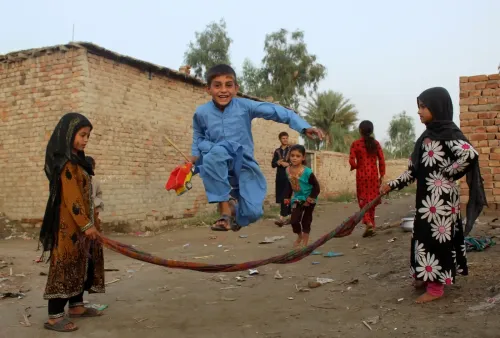
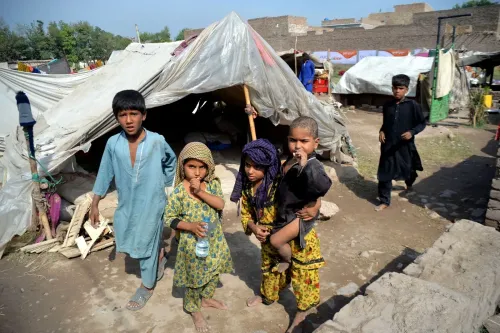
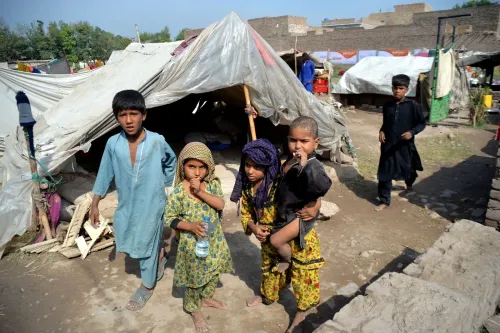
The on-ground numbers are stark. Undernourishment affects 16.1 per cent of Pakistan's population. Child stunting among under-fives stands at 33.6 per cent, child wasting at 9.8 per cent, and under-five mortality at 5.6 per cent. Taken together, these figures describe what the report characterises as a public health emergency that Islamabad has not treated as one.
Wheat Crisis and Collapsed Food Reserves
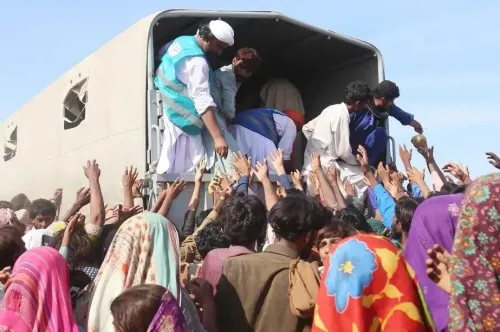
Pakistan's food insecurity has been compounded by policy missteps linked to its IMF bailout programme. The government abolished the wheat support price mechanism under IMF-tied reforms, after which procurement in Punjab — the country's primary wheat belt — collapsed to roughly 480,000 tonnes against a target of 3 million tonnes. The shortfall forced Pakistan to import approximately 3.5 million tonnes of wheat at a cost exceeding $1 billion.
Farmer representatives have reportedly warned that wheat prices could see a steep rise, pushing flour beyond the reach of ordinary Pakistanis. A comparable shortfall is said to persist into the current cycle, raising concerns about food access for low-income households.
What Comes Next
With Pakistan locked into its IMF programme and defence expenditure continuing to crowd out social spending, analysts and civil society groups are likely to increase pressure on Islamabad to rebalance its budget priorities. Whether the government responds — or whether military-directed fiscal allocations remain entrenched — will shape Pakistan's hunger and nutrition trajectory for years to come.
Point of View
Amid a worsening Global Hunger Index score, reflects a state whose priorities are structured around security establishment preferences rather than citizen welfare. What makes the South Asia comparison particularly damaging is that Sri Lanka — which literally ran out of foreign exchange in 2022 — has since outperformed Pakistan on hunger outcomes. The wheat procurement collapse, compounded by IMF-mandated price reforms, is not just a supply chain failure; it is what happens when fiscal space is pre-allocated to guns before grain. Until the civil-military balance in Pakistan's budget shifts, food insecurity will remain a structural feature, not a temporary crisis.
NationPress
4 Nov 2026
Frequently Asked Questions
How much has Pakistan allocated to defence in its 2026-27 budget?
Pakistan's federal budget for 2026-27 allocates PKR 3 trillion to defence services, a rise of 17.6 per cent over the previous year. Weapons procurement specifically rose 39.6 per cent to PKR 925.8 billion.
Where does Pakistan rank on the 2026 Global Hunger Index?
Pakistan ranked 106th out of 122 countries on the 2026 Global Hunger Index with a score of 25.5, placing it below every functioning state in South Asia. Even Sri Lanka, which defaulted on its sovereign debt in 2022, scored a far better 10.2.
Why is Pakistan facing a wheat crisis?
Pakistan abolished its wheat support price mechanism under IMF bailout conditions, after which procurement in Punjab collapsed to roughly 480,000 tonnes against a 3 million tonne target. This forced the country to import approximately 3.5 million tonnes of wheat at a cost exceeding $1 billion, with a comparable shortfall reportedly persisting.
How does Pakistan's health spending compare to its military spending?
Pakistan's total health allocation is PKR 53.3 billion, of which PKR 24.3 billion covers health and nutrition development. Military pensions alone stand at PKR 822 billion — more than 15 times the entire health budget. Public health expenditure amounts to just 0.8 per cent of GDP, according to Pakistan's own Economic Survey.
How do Pakistan's hunger levels compare with India and Bangladesh?
Pakistan scored 25.5 on the 2026 Global Hunger Index, worse than India (24.1), Bangladesh (19.2), Nepal (14.5), and Sri Lanka (10.2). Pakistan is the worst-performing country in South Asia on this measure, despite facing similar climate and commodity price conditions as its neighbours.