Pakistan second-worst in South Asia on Global Hunger Index 2026
Synopsis
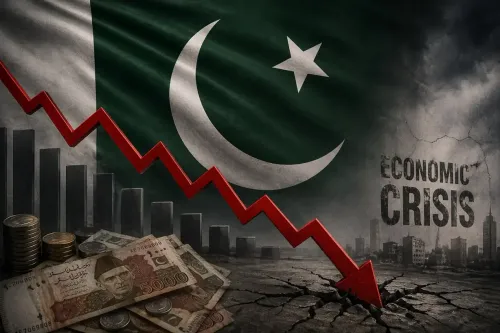
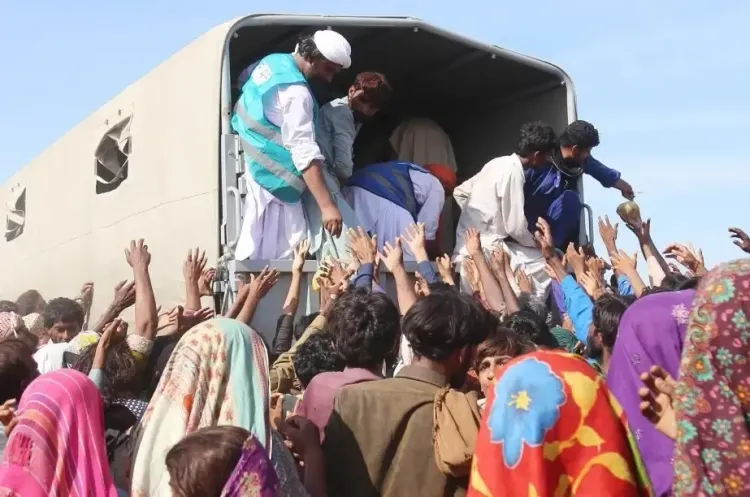
Pakistan has scored 25.5 on the Global Hunger Index 2026, placing it 106th in the world and second-worst in South Asia — ahead of only war-torn Afghanistan. With a third of its children under five stunted and 11 million people in acute food crisis, the data exposes a humanitarian emergency compounded by floods, economic instability, and limited social protection.
Key Takeaways
Pakistan ranked 106th out of 122 countries on the Global Hunger Index 2026 , with a score of 25.5 — classified as 'serious'.
Only Afghanistan (score: 28.6 ) ranked worse in South Asia .
16.1% of Pakistan's population is malnourished; 33.6% of children under five are stunted.
9.8% of Pakistani children are wasted and 5.6% die before age five.
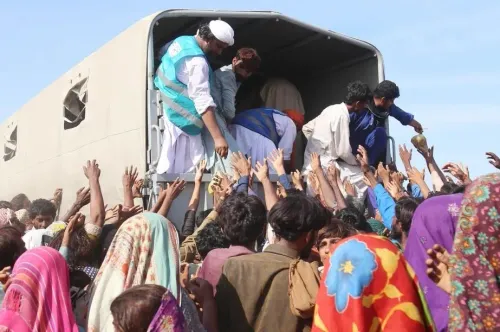
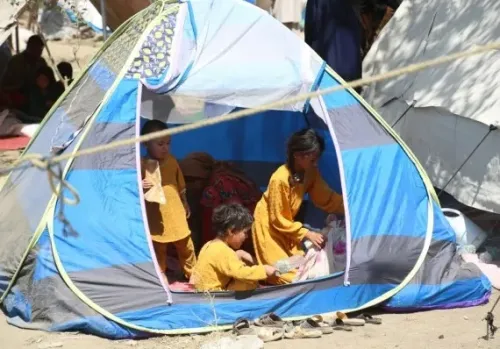
A UN-backed report in April 2026 found approximately 11 million Pakistanis facing severe food insecurity, with 1.7 million in 'emergency' conditions.
Floods and extreme weather are cited as continuing drivers of crop damage and food insecurity.
Pakistan has been ranked second-worst in South Asia on the Global Hunger Index (GHI) 2026, recording a score of 25.5 and placing 106th out of 122 countries globally, according to the report published on the GHI website. The ranking places Pakistan ahead of only Afghanistan, which scored 28.6, underscoring the country's persistent struggles with food insecurity and malnutrition.
Pakistan's GHI Score and What It Means
The GHI classifies Pakistan's hunger level as 'serious', stating: 'With a 2026 Global Hunger Index score of 25.5, Pakistan has a serious level of hunger.' Notably, Pakistan's score has improved from 36.2 in 2002 to 25.5 in 2026, reflecting incremental progress over two decades — though the current level remains far from acceptable by international benchmarks.
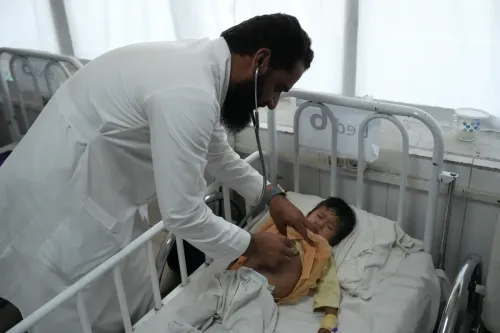
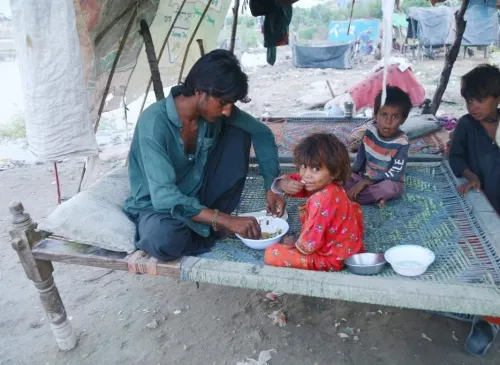
The GHI score is derived from four indicators: undernourishment, child stunting, child wasting, and child mortality. According to the report, 16.1% of Pakistan's total population is malnourished. Among children under five, 33.6% are stunted, 9.8% are wasted, and 5.6% die before reaching the age of five.
Pakistan Among the World's Worst Food Crisis Nations
The GHI findings arrive months after a separate United Nations-backed report in April 2026 — the 2026 Global Report on Food Crises — ranked Pakistan among the world's top 10 fragile nations where acute food insecurity is most concentrated. The report named Pakistan alongside Afghanistan, Bangladesh, Congo, Myanmar, Nigeria, South Sudan, Sudan, Syria, and Yemen as the primary centres of acute hunger.
That earlier report further identified Pakistan as one of the 10 nations facing the largest food crises in 2025, with approximately 11 million people confronting severe food insecurity. Of those, 9.3 million were classified under 'crisis' conditions and 1.7 million in 'emergency' — the two most acute categories short of famine, according to that report.
Climate Shocks Compounding the Crisis
The GHI report points to extreme weather events as a continuing driver of food insecurity in Pakistan, specifically citing heavy rains and floods that have caused repeated crop damage. This comes amid a broader pattern in South Asia where climate volatility is increasingly disrupting agricultural output and supply chains. Pakistan's vulnerability is amplified by its heavy dependence on rain-fed agriculture and weak rural safety nets.
Regional Context and What Comes Next
In South Asia, Pakistan's GHI ranking reflects a regional hunger landscape that remains deeply uneven. While nations such as India and Sri Lanka have recorded measurable improvements, Pakistan's indicators — particularly child stunting at 33.6% — remain among the highest in the region. Analysts note that structural factors including economic instability, currency depreciation, and limited public health spending have compounded the impact of climate shocks on food access.
With Pakistan's economy still recovering from successive external shocks, addressing the root causes of its hunger crisis — including agricultural resilience, social protection, and nutrition programmes — will require sustained policy attention beyond the current fiscal year.
Point of View
The decline over 24 years has not been nearly steep enough given the scale of child stunting still recorded. What the headline ranking obscures is that Pakistan's hunger crisis is increasingly climate-induced: successive flood events have destroyed crops and livelihoods faster than nutrition programmes can absorb the damage. The convergence of economic fragility, rupee depreciation, and climate shocks means the numbers could worsen before they improve. That Pakistan now features in multiple global food crisis lists simultaneously — GHI, the UN Food Crises report, and the fragile states index — signals a systemic failure that rankings alone do not capture.
NationPress
15 Oct 2026
Frequently Asked Questions
What is Pakistan's rank on the Global Hunger Index 2026?
Pakistan is ranked 106th out of 122 countries on the Global Hunger Index 2026, with a score of 25.5 classified as 'serious'. In South Asia, it is the second-worst performer, trailing only Afghanistan, which scored 28.6.
How serious is child malnutrition in Pakistan according to the GHI 2026?
According to the GHI 2026 report, 33.6% of Pakistani children under five are stunted, 9.8% are wasted, and 5.6% die before age five. These figures place Pakistan among the most severely affected nations on child nutrition indicators globally.
Has Pakistan's hunger situation improved over the years?
Pakistan's GHI score has declined from 36.2 in 2002 to 25.5 in 2026, indicating some improvement over the past two decades. However, the country still holds a 'serious' hunger classification, and its score remains among the worst in South Asia.
Why is Pakistan facing such severe food insecurity?
The GHI report identifies extreme weather events — particularly heavy rains and floods — as continuing causes of crop damage and food insecurity in Pakistan. Economic instability and structural vulnerabilities in agriculture and social protection systems are also key contributing factors, according to reports.
How many people in Pakistan are affected by the food crisis?
A UN-backed report from April 2026 estimated approximately 11 million Pakistanis were facing severe food insecurity, with 9.3 million in 'crisis' conditions and 1.7 million in 'emergency' — the two most acute categories before famine. Pakistan was listed among the 10 countries with the largest food crises in 2025.