Afghanistan child malnutrition hits 3.7 million as Pakistan returnees surge
Synopsis
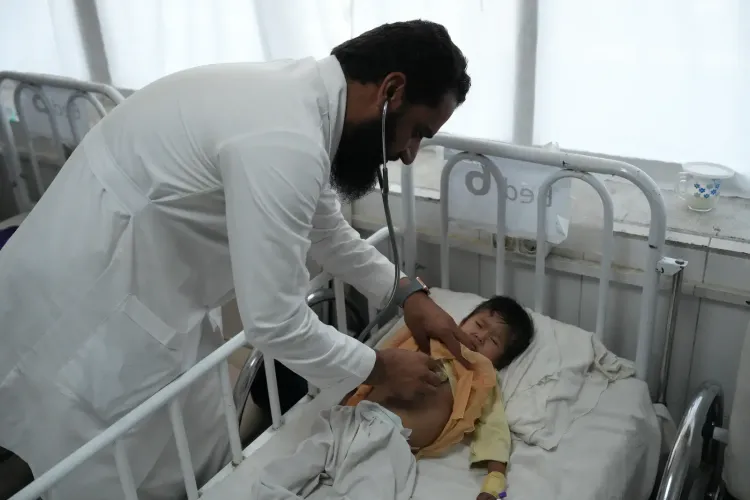
Afghanistan's child malnutrition crisis has reached 3.7 million under-fives — a 14 per cent surge in four years — just as six million deportees and returnees from Pakistan and Iran flood back into a country where humanitarian aid has been slashed by 70 per cent and nearly 600 health clinics have shut. It is a compounding emergency that aid workers say the world is choosing not to see.
Key Takeaways
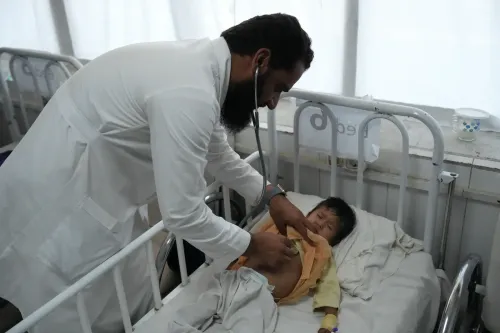
Nearly one in 10 children under five in Afghanistan is acutely malnourished, with 3.7 million children affected in 2026.
Acute malnutrition has risen by 14 per cent over the last four years, according to Save the Children .
Wasting worsened in two-thirds of provinces in Q2 2026 compared to Q2 2025, driven by infectious disease.
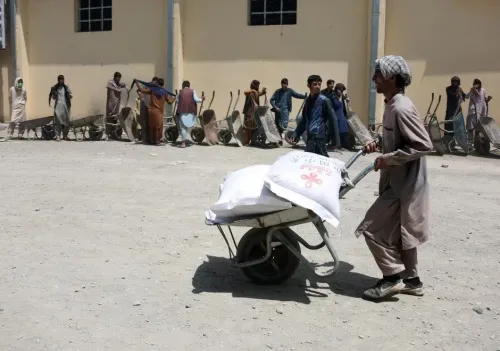
Humanitarian aid for Afghanistan fell by nearly 70 per cent — from USD 3.27 billion in 2022 to USD 1 billion in 2025.
Almost 600 health facilities have been closed or suspended due to funding cuts.
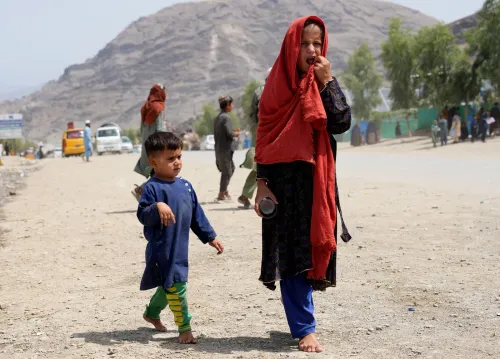
More than six million people have returned from Iran and Pakistan , sharply increasing the population in need.
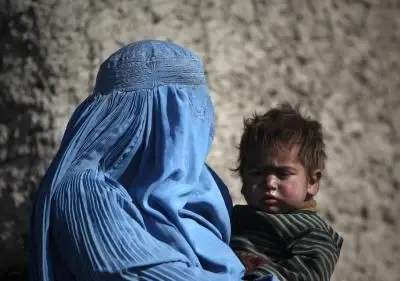
Nearly one in 10 children under the age of five in Afghanistan is suffering from acute malnutrition, with conditions deteriorating sharply as more than six million people return from Iran and Pakistan, according to a statement by Save the Children, a UK-based international NGO. The crisis, reported on 13 August 2026, is unfolding against a backdrop of collapsed healthcare infrastructure and a near-total collapse in humanitarian funding.
Scale of the Crisis
Acute malnutrition among Afghan children under five has surged by 14 per cent over the last four years, reaching 3.7 million children in 2026, according to Save the Children. Wasting — the most severe and visible form of acute malnutrition — worsened in two-thirds of Afghanistan's provinces in the second quarter of 2026 compared to the same period last year, driven in part by rising rates of infectious disease.
Notably, this is described as the peak season for malnutrition in Afghanistan, a country where the Taliban regained control five years ago and where structural food insecurity has become a near-permanent condition.
Funding Collapse and Health Facility Closures
Humanitarian aid for Afghanistan has fallen by almost 70 per cent — from USD 3.27 billion in 2022 to just USD 1 billion in 2025. As a direct consequence, almost 600 health facilities have been closed or suspended due to funding cuts, stripping communities of the very infrastructure needed to treat malnourished children.
Afghanistan's population has also grown by up to 12 per cent since September 2023, compounding pressure on already stretched resources. The combination of population growth and shrinking aid creates what aid workers describe as an accelerating gap between need and response.
Mass Returns Stretching Resources to the Brink
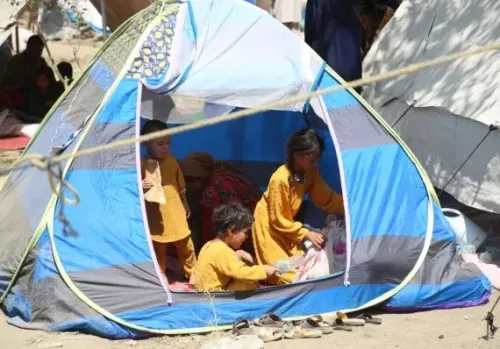
Ashish Damle, Save the Children's Country Director in Afghanistan, warned that worsening hunger, mass returns from Iran and Pakistan, internal displacement, natural disasters, conflict, and a prolonged drought are collectively pushing humanitarian resources to their limits.
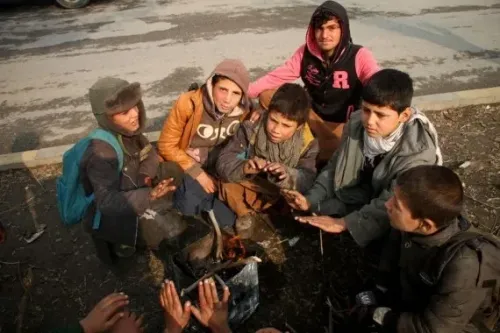
'The world cannot look away. Severe hunger, the staggering number of returnees and mass internal displacement due to disasters, recent conflict and four years of drought are stretching limited humanitarian resources to the brink,' Damle said in the NGO's statement.
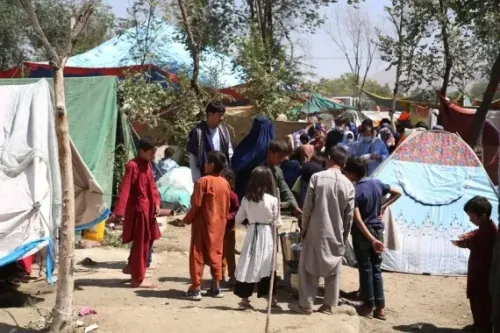
Both Iran and Pakistan have enforced criteria that Afghans must meet to remain in those countries, or face deportation. A nutrition nurse quoted by Save the Children noted that more than six million people have returned from the two countries as a result of these enforcement measures, adding significantly to the population requiring humanitarian support.
What Happens Next
Without a reversal in international funding commitments, aid organisations warn that the situation is likely to worsen through the remainder of 2026. The closure of nearly 600 health facilities means that even if funding were restored, rebuilding treatment capacity would take time — time that acutely malnourished children do not have. Observers say the international community faces a narrowing window to prevent a full-scale humanitarian catastrophe.
Point of View
More mouths, and a returnee wave that neither Iran nor Pakistan telegraphed with adequate notice. What is missing from most coverage is accountability for the funding gap: which governments cut, by how much, and whether any conditionality attached to those cuts was ever met. Save the Children's data is credible, but the harder question — why the international community is allowing a 14 per cent malnutrition surge to go unfunded — remains largely unasked.
NationPress
28 Sept 2026
Frequently Asked Questions
How many Afghan children are affected by acute malnutrition in 2026?
According to Save the Children, 3.7 million children under the age of five in Afghanistan are affected by acute malnutrition in 2026, representing a 14 per cent increase over the last four years. Nearly one in 10 children in this age group is suffering from wasting, the most severe form of the condition.
Why is Afghanistan's malnutrition crisis worsening in 2026?
The crisis is being driven by a combination of factors: a 70 per cent cut in humanitarian aid since 2022, the closure of nearly 600 health facilities, a prolonged drought, ongoing conflict, and a surge of over six million returnees from Iran and Pakistan. Save the Children notes this is also the peak season for malnutrition in the country.
How many people have returned to Afghanistan from Pakistan and Iran?
More than six million people have returned to Afghanistan from Iran and Pakistan, according to Save the Children. Both countries have enforced residency criteria that Afghans must meet or face deportation, triggering a large-scale return that is straining already limited humanitarian resources.
What has happened to humanitarian aid for Afghanistan?
Humanitarian aid for Afghanistan has fallen by almost 70 per cent, dropping from USD 3.27 billion in 2022 to USD 1 billion in 2025. This funding collapse has led to the closure or suspension of nearly 600 health facilities across the country.
What is Save the Children calling for?
Save the Children's Country Director in Afghanistan, Ashish Damle, has called on the international community not to 'look away,' warning that severe hunger, mass returnees, internal displacement, disasters, and four years of drought are stretching humanitarian resources to the brink. The NGO is urging a restoration of funding to prevent further deterioration.