Afghanistan malnutrition 2026: 3.7 million children face acute crisis, OCHA warns
Synopsis
Before Afghanistan's peak wasting season has even begun, OCHA reports that wasting levels have already worsened in 26 of 34 provinces — and 3.7 million children are projected to face acute malnutrition in 2026. With drought consuming 64 per cent of arable land, 440 health centres shut or reduced, and 28 million people unable to meet basic needs, this is one of the world's most acute and underfunded humanitarian emergencies.
Key Takeaways
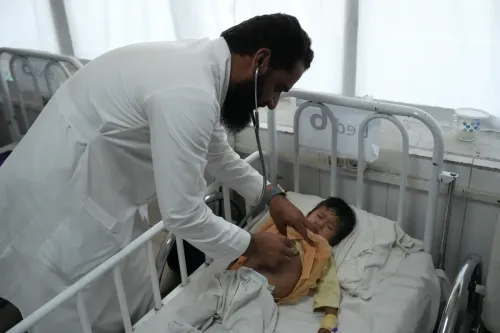
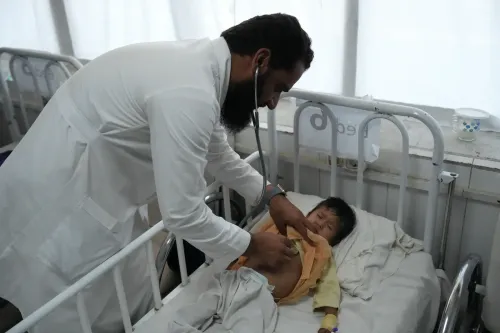
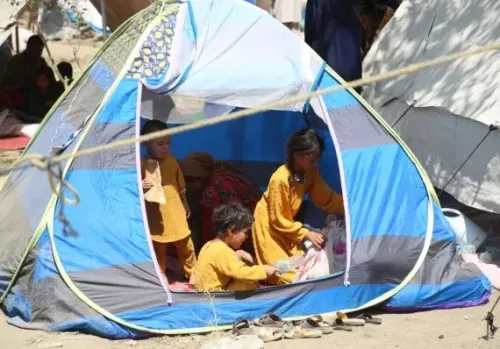
OCHA warns that 3.7 million children in Afghanistan are expected to face acute malnutrition in 2026 .
Wasting levels have worsened in 26 of 34 provinces compared to 2025, before the peak wasting season of July–September .
Nearly 28 million Afghans cannot meet basic needs; over 80 per cent of households are in debt, per UNDP .
Afghanistan's economy grew just 1.9 per cent in 2025 against a 6.5 per cent population growth rate.
Drought has affected 64 per cent of arable land; over 440 health centres are shut or operating at reduced capacity.
The return of 2.9 million Afghan migrants and Taliban restrictions on women have further deepened the crisis.
The United Nations Office for the Coordination of Humanitarian Affairs (OCHA) has warned that 3.7 million children in Afghanistan are expected to face severe malnutrition in 2026, as the country's nutrition crisis deepens at an alarming pace. The warning, issued in a statement on Monday, 16 June, calls for urgent international funding to prevent irreversible harm to children.
Wasting Levels Rising Across Provinces
According to OCHA, wasting levels have worsened in 26 of 34 provinces in Afghanistan compared to 2025. Critically, this deterioration is occurring before the peak wasting season — typically July to September — signalling an early and deepening emergency. The agency stressed that without immediate funding, the crisis risks spiralling beyond the reach of humanitarian response.
Broader Economic Collapse Fuelling the Crisis
The malnutrition emergency does not exist in isolation. In May 2025, the United Nations Development Programme (UNDP) revealed that nearly 28 million Afghans were unable to meet their basic needs, amid rising poverty, drought, and shrinking international aid. Afghanistan's economy grew by just 1.9 per cent in 2025 — far below the country's 6.5 per cent population growth rate — resulting in a continued decline in real per capita income.
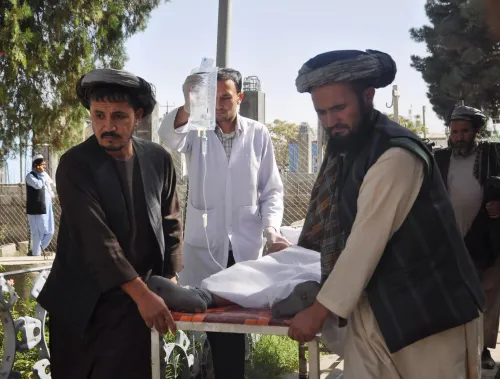
The UNDP report noted that nearly three-quarters of Afghans were forced to rely on negative coping mechanisms to survive, while over 80 per cent of households were carrying debt. Afghanistan's trade deficit reached USD 11.3 billion in 2025, and access to clean drinking water and healthcare continued to decline. Over 440 health centres were either shut or operating with reduced services due to funding shortfalls.
Climate Shocks and Migration Add Pressure
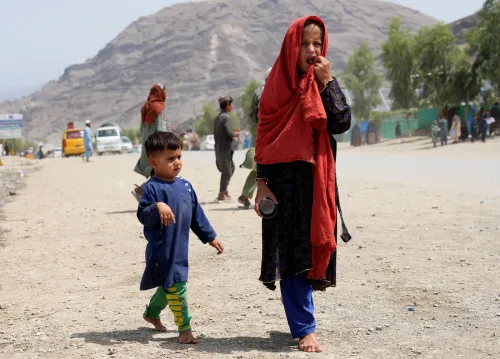
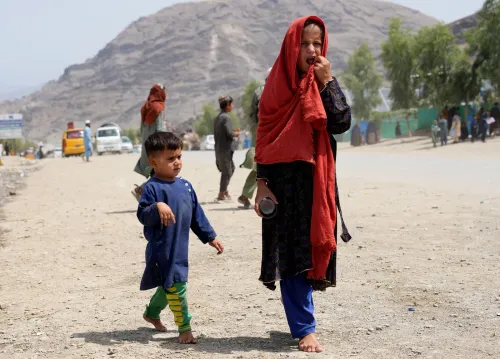
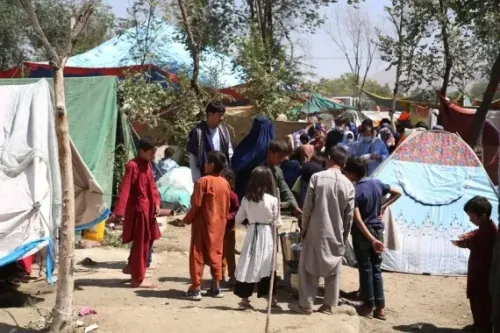
Compounding the humanitarian crisis are severe climate-related shocks. Drought has impacted nearly 64 per cent of Afghanistan's arable land in 2026. The return of approximately 2.9 million Afghan migrants — many expelled from neighbouring countries — has further strained already overstretched resources, worsening food shortages, unemployment, and access to healthcare for families already on the edge.
Taliban Restrictions Weaken Economic Resilience
The UNDP directly linked the worsening economic situation to Taliban restrictions on women and girls. According to the report, curbs on female education and employment have weakened the labour force and cut household incomes across the country. UN officials have argued that continued investment in livelihoods, local businesses, and public services is essential to prevent further economic collapse.
What Needs to Happen Next
Humanitarian agencies are calling for an immediate surge in international funding to address both the nutrition emergency and the broader economic crisis. With the peak wasting season still weeks away, aid organisations warn that delays in response could translate into preventable deaths among the most vulnerable children in Afghanistan.
Point of View
Suggesting the floor has not yet been found. What mainstream coverage underplays is the structural dimension: Taliban restrictions on women have functionally removed a significant portion of the labour force, compounding a food and health emergency with a self-inflicted economic contraction. Meanwhile, global aid fatigue is real — international assistance is shrinking precisely when Afghanistan needs it most. The 3.7 million figure is not a projection to be debated; it is a countdown.
NationPress
20 Sept 2026
Frequently Asked Questions
How many children in Afghanistan face acute malnutrition in 2026?
According to OCHA, 3.7 million children in Afghanistan are expected to face acute malnutrition in 2026. The agency has called for urgent international funding to prevent irreversible harm.
Why is Afghanistan's malnutrition crisis worsening in 2026?
Wasting levels have deteriorated in 26 of 34 provinces compared to 2025, driven by drought affecting 64 per cent of arable land, shrinking international aid, and a weak economy growing at just 1.9 per cent against a 6.5 per cent population growth rate. The crisis is deepening even before the peak wasting season of July to September.
What did the UNDP report say about Afghanistan's economy?
A UNDP report released in May 2025 found that nearly 28 million Afghans could not meet basic needs, over 80 per cent of households were in debt, and Afghanistan's trade deficit reached USD 11.3 billion in 2025. The agency linked part of the economic decline to Taliban restrictions on female education and employment.
How has climate change affected the humanitarian crisis in Afghanistan?
Drought has impacted nearly 64 per cent of Afghanistan's arable land in 2026, worsening food shortages. Climate-related shocks, combined with the return of approximately 2.9 million Afghan migrants, have placed additional strain on families already struggling with unemployment and limited healthcare access.
What is the status of healthcare access in Afghanistan?
Over 440 health centres in Afghanistan are either shut or operating with reduced services due to funding shortfalls, according to the UNDP report. Access to clean drinking water has also continued to decline, compounding the health risks for malnourished children.