Will 14.4 Million People in Afghanistan Need Health Services by 2026?
Synopsis
The UN has revealed alarming predictions for Afghanistan, stating that by 2026, 14.4 million people will need health services. With only 7.2 million expected to be covered, the situation poses a grave humanitarian crisis. Key factors include children's health, malnutrition, and a lack of access to essential services.
Key Takeaways
14.4 million people in Afghanistan will need health services by 2026 .
Only 7.2 million are expected to be served by existing programs.
54% of those affected are children.
UNICEF highlights a severe malnutrition crisis affecting 3.7 million children .
Over 90% of Afghan households cannot afford sufficient food.
Kabul, Jan 29 (NationPress) The United Nations Office for the Coordination of Humanitarian Affairs (OCHA) has forecasted that 14.4 million individuals in Afghanistan will require health services by the year 2026, as reported by local media on Thursday.
Of these individuals, it is anticipated that only 7.2 million will be reached through existing programs, according to an OCHA statement. The report highlights that 54% of those in need are children, 24% are women, and 10% are persons with disabilities, as per Afghanistan's leading news agency, Khaama Press. The OCHA emphasized that over USD 190 million will be necessary to meet these health needs.
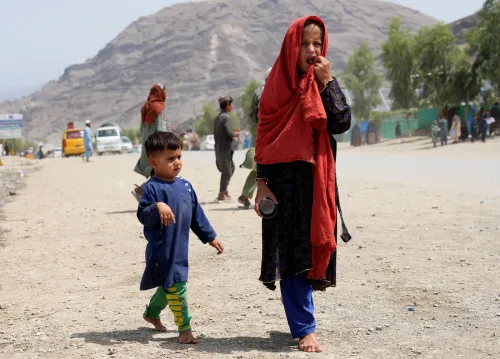
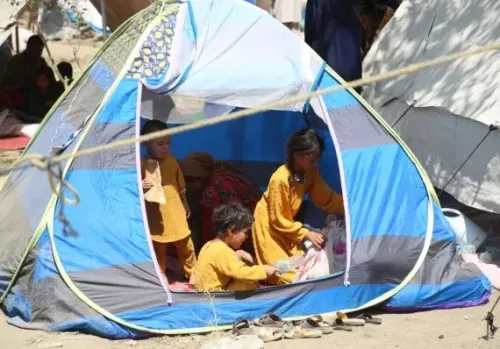
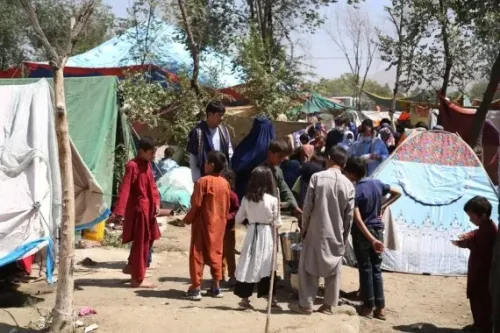
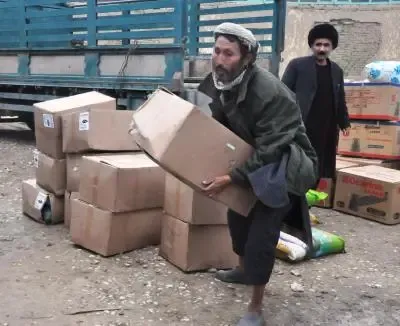
The organization pointed out that Afghanistan continues to face the world's most significant humanitarian crisis in 2026, with approximately 22 million people dependent on humanitarian aid. International organizations and NGOs are intensifying efforts to provide vaccinations, maternal health care, and emergency medical services throughout Afghanistan.
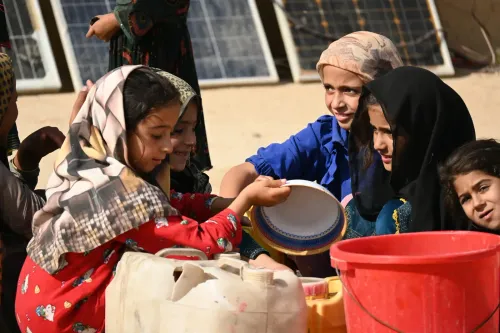
In a related development, the United Nations Children's Fund (UNICEF) indicated on Tuesday that Afghanistan is grappling with one of the most severe child malnutrition crises, affecting around 3.7 million children who experience acute malnutrition annually, as reported by local media.
UNICEF's representative in Afghanistan, Tajudeen Oyewale, emphasized the urgency of addressing this crisis during the unveiling of malnutrition prevention and treatment guidelines on Tuesday, according to Khaama Press.
The malnutrition situation in Afghanistan has worsened since 2021, attributed to economic collapse, drought, and a lack of humanitarian funding.
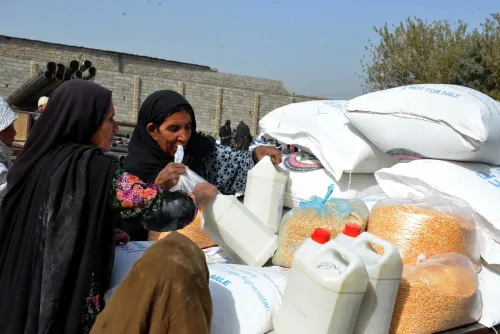
According to the World Food Programme, over 90% of Afghan households struggle to afford adequate food, leading to potential permanent developmental damage in children due to malnutrition.
The updated guidelines propose significant revisions in the treatment and prevention methods, placing greater emphasis on life-saving interventions for the most critical malnutrition cases. These guidelines have also included care protocols for infants under six months, marking a vital step towards alleviating child malnutrition. UNICEF hopes these revised guidelines will enhance treatment outcomes and save the lives of children in Afghanistan amid the ongoing crisis.
Several factors contribute to malnutrition among children in Afghanistan, including poverty, food insecurity, limited healthcare access, and inadequate maternal nutrition. Rural areas are especially hard-hit as families face food shortages and lack access to medical facilities, compounded by ongoing restrictions on women healthcare workers that further hinder treatment access.
Point of View
It is vital to recognize that this alarming prediction by the UN underscores the ongoing humanitarian challenges facing Afghanistan. With millions at risk, the international community must come together to support efforts aimed at providing essential health services, particularly for the most vulnerable populations, including children and women. We must advocate for sustainable solutions to improve healthcare access and address the root causes of this crisis.
NationPress
24 Oct 2026
Frequently Asked Questions
How many people in Afghanistan will need health services in 2026?
According to the UN, approximately 14.4 million people in Afghanistan will require health services by 2026 .
What percentage of those in need are children?
The OCHA report indicates that 54% of those requiring health services are children.
What is the estimated funding needed to address health needs?
Over USD 190 million will be necessary to meet the health needs of those requiring services.
What is the current malnutrition crisis in Afghanistan?
UNICEF reports that around 3.7 million children are facing acute malnutrition annually in Afghanistan.
What factors contribute to malnutrition in Afghanistan?
Factors include poverty, food insecurity, limited access to healthcare, and poor maternal nutrition.