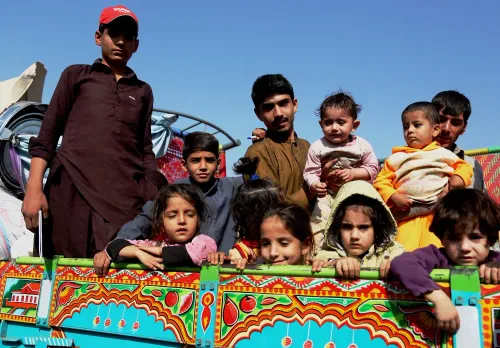
Afghanistan Ranks 5th in Global Acute Hunger Crisis: UN Report
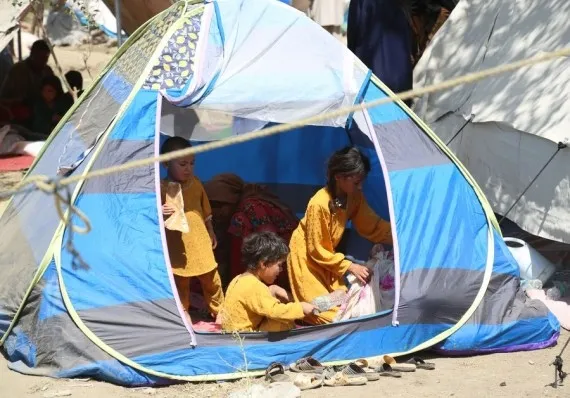
Synopsis
Afghanistan ranks 5th globally for acute hunger, with 17.4 million people food insecure and 4.7 million in famine-like conditions per the Global Food Crises 2026 Report. Conflict, economic collapse, drought, and shrinking international aid are driving the crisis — and experts warn it could get far worse without urgent global intervention.
Key Takeaways
Afghanistan is ranked 5th globally for acute hunger in the Global Food Crises 2026 Report released by UN agencies and the European Union .
17.4 million Afghans — approximately 36% of the population — are facing acute food insecurity, with 4.7 million in emergency or famine-like conditions.
Countries with worse hunger rankings than Afghanistan include Congo, Nigeria, Sudan, and Yemen .
Globally, 266 million people across 47 nations faced acute food insecurity in 2025 , nearly double the 2016 figure.
The WFP warned on March 4 that rising acute malnutrition is placing tens of thousands of Afghan children at serious risk.
Aid agencies caution that without sustained international funding and access, Afghanistan's hunger crisis will worsen, threatening children, livelihoods, and national stability.
Kabul, April 26: Afghanistan has been ranked fifth among the world's most severely hunger-affected nations, with 17.4 million people — approximately 36 per cent of its population — facing acute food insecurity, according to the Global Food Crises 2026 Report released by UN agencies, the European Union, and partner organisations. Of these, 4.7 million Afghans are enduring emergency or famine-like conditions, underscoring the catastrophic scale of the crisis.
Afghanistan's Position in the Global Hunger Index
The report, compiled with contributions from agencies including the Food and Agriculture Organisation (FAO), places Afghanistan behind only Congo, Nigeria, Sudan, and Yemen in terms of acute hunger severity. These five nations collectively represent the most critical food emergency zones on the planet in 2025.
Globally, 266 million people across 47 nations faced acute food insecurity in 2025 — a figure nearly double the proportion recorded in 2016. This alarming trajectory signals that hunger is no longer a temporary emergency but a deepening, structural global challenge that existing aid frameworks are struggling to address.
Root Causes Driving Afghanistan's Food Emergency
The report identifies conflict, economic instability, and climate shocks as the three primary drivers of worsening food insecurity worldwide, with Afghanistan bearing the compounded weight of all three simultaneously.
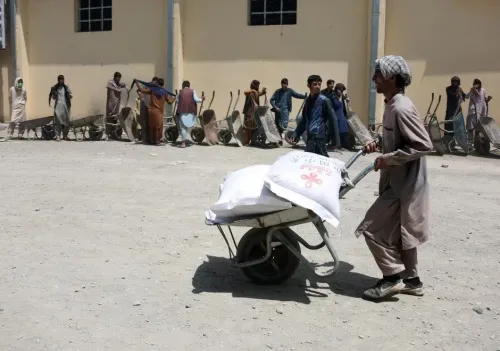
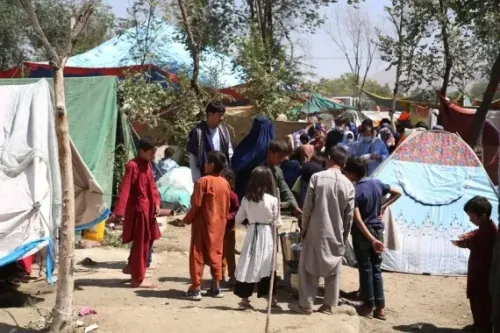
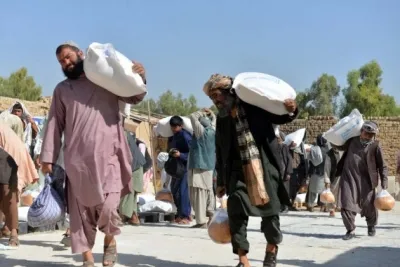
Prolonged economic collapse, surging unemployment, recurring drought cycles, and a sharp reduction in international humanitarian aid have dramatically worsened the country's food situation. Millions of Afghan families are now entirely dependent on food assistance simply to survive each day.
Aid organisations have issued stark warnings: without sustained funding and unhindered humanitarian access, hunger levels in Afghanistan could deteriorate further, with long-term consequences for child nutrition, household livelihoods, and the country's overall stability.
WFP Flags Rising Child Malnutrition and Border Tensions
On March 4, the World Food Programme (WFP) independently confirmed that Afghanistan continues to face one of the world's most severe ongoing hunger crises. The agency's report highlighted that acute malnutrition is rising sharply across the country, placing tens of thousands of children at serious and immediate risk.
The WFP also flagged that escalating tensions and clashes between Pakistan and Afghanistan have severely hampered vulnerable communities' access to health services and humanitarian assistance. The agency cautioned that continued hostilities along the Pakistan-Afghanistan border risk pushing already impoverished and food-insecure families to a critical breaking point.
The Bigger Picture: A Crisis Years in the Making
This ranking does not emerge in isolation. Since the Taliban's return to power in August 2021, international financial flows to Afghanistan were largely frozen, the banking system collapsed, and the formal economy contracted by an estimated 20-30 per cent within two years. Women's exclusion from the workforce further reduced household incomes across millions of families.
Notably, the United States and other Western donors — once the largest contributors to Afghanistan's humanitarian budget — have significantly scaled back aid in recent years amid geopolitical shifts, leaving UN agencies chronically underfunded relative to the scale of need. Critics argue that the international community's disengagement from Afghanistan has directly accelerated the hunger emergency now documented in the Global Food Crises 2026 Report.
The confluence of the Taliban's governance restrictions, reduced aid pipelines, climate-driven agricultural failures, and regional instability creates a feedback loop that standard short-term relief interventions cannot break without structural, long-term commitment from the global community.
What Comes Next for Afghanistan's Hungry Millions
Humanitarian organisations are urgently calling on donor nations and multilateral institutions to restore and increase funding for Afghanistan before the situation crosses into full-scale famine territory. The coming months — particularly the lean season — will be critical in determining whether the 4.7 million Afghans in emergency conditions receive timely assistance.
As the Global Food Crises 2026 Report circulates among policymakers at the United Nations and donor capitals, pressure is mounting for an emergency pledging conference specifically focused on Afghanistan. Without decisive international action, aid agencies warn the human cost will be measured in preventable deaths, stunted childhoods, and a generation lost to hunger.
Point of View
Billions flowed in; now that geopolitical interest has shifted, donor fatigue has left 17.4 million people fighting for survival. The cruel irony is that the same Western governments that spent two decades and trillions of dollars on military intervention in Afghanistan are now unwilling to fund the food pipelines that could prevent mass starvation. Hunger in Afghanistan is not a natural disaster — it is, in large part, a policy outcome, and the global community must own that accountability.
NationPress
20 Sept 2026
Frequently Asked Questions
What is Afghanistan's ranking in the Global Food Crises 2026 Report?
Afghanistan is ranked fifth among the world's worst-affected nations for acute hunger in the Global Food Crises 2026 Report . Countries ranked above Afghanistan include Congo, Nigeria, Sudan, and Yemen .
How many people in Afghanistan are facing acute food insecurity?
According to the Global Food Crises 2026 Report , 17.4 million people — about 36 per cent of Afghanistan's population — are facing high levels of acute food insecurity. Of these, 4.7 million are experiencing emergency or famine-like conditions.
What are the main causes of food insecurity in Afghanistan?
The primary drivers of Afghanistan's food crisis are conflict, economic collapse, unemployment, drought, and reduced international aid . The Taliban's return to power in 2021 triggered a financial system collapse and aid freeze that dramatically worsened conditions.
What has the World Food Programme said about Afghanistan's hunger crisis?
The WFP stated on March 4 that Afghanistan faces one of the world's most severe hunger crises, with acute malnutrition rising and tens of thousands of children at serious risk. The agency also warned that Pakistan-Afghanistan border tensions are blocking humanitarian access.
How does Afghanistan's hunger crisis compare globally in 2025?
Globally, 266 million people across 47 nations faced acute food insecurity in 2025 , nearly double the proportion recorded in 2016 . Afghanistan is among the five most critically affected countries, alongside Congo, Nigeria, Sudan, and Yemen .