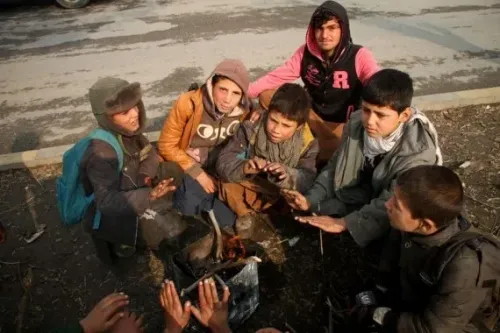
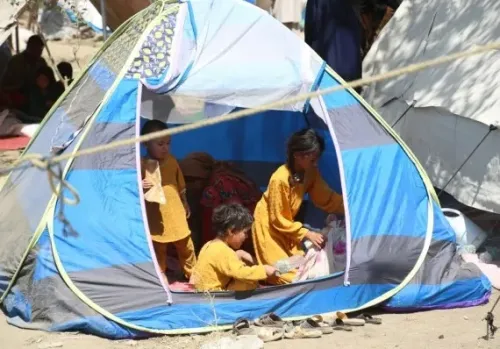
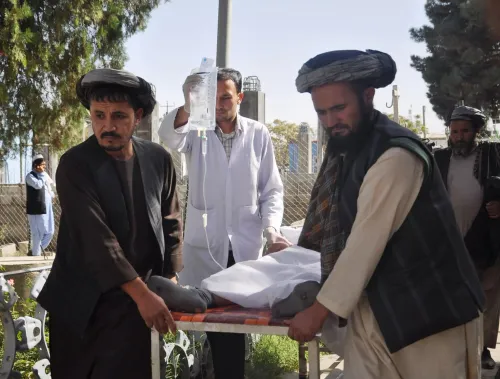
16 million in Afghanistan face acute food crisis, UN warns of worse winter ahead
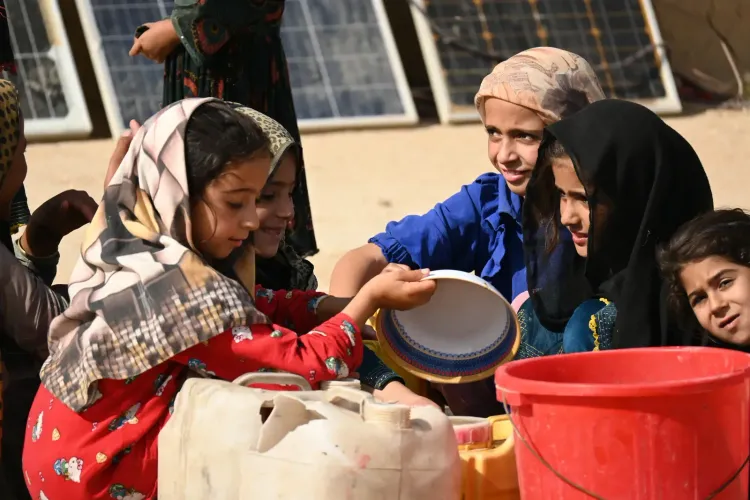
Synopsis
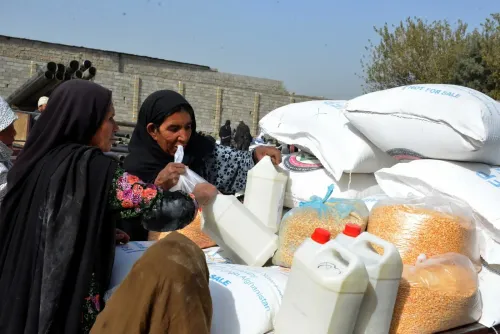
The UN is sounding its starkest warning yet about Afghanistan: nearly 16 million people are already acutely food insecure, and the number could reach 19.2 million — 38 per cent of the population — by this winter. With 5 million facing emergency-level hunger and malnutrition poised to surge 10 per cent in 2027, the crisis is driven not just by drought or conflict but by mass deportations, trade disruptions, and a yawning aid funding gap.
Key Takeaways
16 million people in Afghanistan are currently experiencing acute food insecurity, including 3.4 million at emergency hunger levels, according to UN OCHA .
19.2 million people (38% of the population) are projected to face high levels of acute food insecurity during the November–April 2026–27 lean season — up from 17.4 million the previous year.
Around 5 million people are expected to reach IPC Phase 4 emergency hunger — double the figure for April–September 2026 .
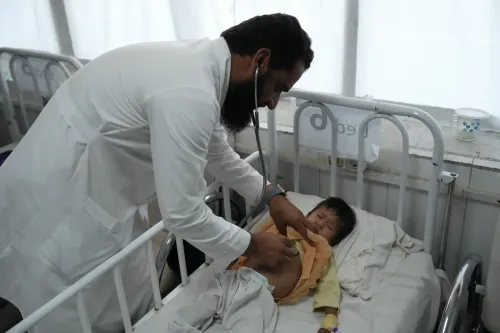
Malnutrition cases are forecast to rise 10 per cent to 4 million in 2027 , with a quarter of cases severe and life-threatening.
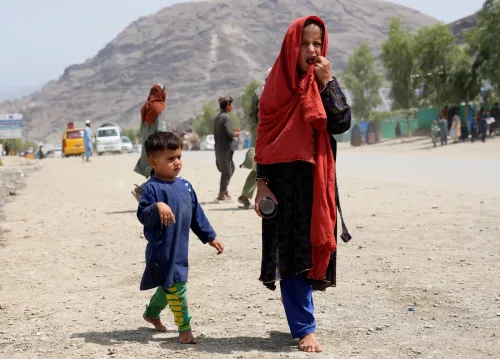
The forced return of more than 1.2 million Afghans from Iran and Pakistan , border closures, Strait of Hormuz disruptions, and aid funding shortfalls are key drivers.
UN OCHA spokesperson Olga Cherevko urged immediate international action before winter to prevent families from exhausting their last resources.
Nearly 16 million people in Afghanistan are currently experiencing acute food insecurity, including 3.4 million facing emergency levels of hunger, the UN Office for the Coordination of Humanitarian Affairs (OCHA) warned on 21 October 2026. The agency cautioned that conditions are likely to deteriorate sharply as winter approaches, compounding an already severe humanitarian emergency.
On the Ground: What OCHA Found
UN OCHA spokesperson Olga Cherevko issued the warning following a field visit to southern and northeastern Afghanistan. She said millions of families remain unable to purchase adequate food owing to widespread unemployment, depressed incomes, and severely limited access to essential services.
Cherevko attributed the depth of the crisis to decades of cumulative shocks — prolonged conflict, economic collapse, recurring drought, and repeated displacement — which have eroded communities' capacity to absorb further setbacks. She stressed that while humanitarian assistance is saving lives, it cannot permanently substitute for functioning public services, stable employment, and sustainable livelihoods.
Projected Scale of the Winter Crisis
The Food and Agriculture Organisation (FAO) and the World Food Programme (WFP) have projected that approximately 19.2 million people — or 38 per cent of Afghanistan's total population — will face high levels of acute food insecurity during the November–April lean season. That figure is up from 17.4 million projected for the same period a year earlier, according to the latest Integrated Food Security Phase Classification (IPC) analysis.
Of those, around 5 million are expected to reach emergency levels of hunger (IPC Phase 4) — double the number projected for the April–September 2026 period. The worst conditions are anticipated in Badakhshan, Badghis, Daykundi, Ghor, Samangan, Sar-e-Pol, and rural Ghazni.
Malnutrition Set to Surge in 2027
Malnutrition cases are expected to rise by nearly 10 per cent compared to 2026, reaching 4 million people — a quarter of them classified as severe and life-threatening. Prevention and treatment services continue to lag demand, leaving women and children most exposed to the worst outcomes, the agencies noted.
Notably, despite favourable rainfall that boosted crop production in 2026, persistent unemployment means that families who do not grow their own food still cannot afford a nutritious diet — underscoring that the crisis is as much economic as it is agricultural.
Drivers Behind the Crisis
The humanitarian situation is being driven by multiple compounding shocks. The forced return of more than 1.2 million Afghans from Iran and Pakistan this year has strained already stretched resources. Border closures and disruptions to shipping through the Strait of Hormuz have pushed up the prices of basic goods. Sharp funding shortfalls for humanitarian aid programmes have further curtailed the international response.
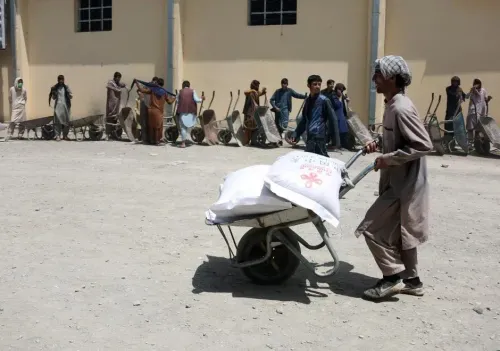
Cherevko called on the international community to act immediately, urging greater investment in agriculture, rural livelihoods, local markets, employment generation, water systems, health services, and expanded economic opportunities for women. She warned that humanitarian assistance must reach vulnerable families before they exhaust their remaining resources.
What Needs to Happen Next
With the lean season beginning in November, the window for pre-positioning aid is narrowing. The UN agencies have called for accelerated funding commitments from donor governments and sustained logistical access to the most affected provinces. Without a significant scale-up, analysts warn that Afghanistan's food emergency risks becoming one of the world's most severe humanitarian crises of the coming year.
Point of View
Because the economy offers no jobs and humanitarian aid is chronically underfunded. The mass deportation of over 1.2 million Afghans from Iran and Pakistan this year has added a sudden demographic shock that neither the government nor aid agencies were resourced to absorb. The international community's track record of pledging and under-delivering on Afghanistan aid means Cherevko's urgency could easily become another warning that arrived too late.
NationPress
21 Oct 2026
Frequently Asked Questions
How many people in Afghanistan are facing food insecurity right now?
Nearly 16 million people in Afghanistan are currently experiencing acute food insecurity, including 3.4 million at emergency hunger levels, according to UN OCHA. The figure is expected to climb to 19.2 million — or 38 per cent of the population — during the November–April 2026–27 lean season.
Why is Afghanistan's food crisis expected to worsen this winter?
Winter makes it harder for people to earn money and access markets, compounding already severe unemployment and low incomes. UN OCHA has also highlighted the forced return of over 1.2 million Afghans from Iran and Pakistan, trade disruptions through the Strait of Hormuz, and funding shortfalls for humanitarian aid as key drivers worsening the situation.
Which regions of Afghanistan are worst affected?
The most severe conditions are projected in Badakhshan, Badghis, Daykundi, Ghor, Samangan, Sar-e-Pol, and rural Ghazni, according to the IPC analysis cited by FAO and WFP.
What is IPC Phase 4 and how many Afghans are at that level?
IPC Phase 4, classified as 'emergency' hunger, represents a severe level of acute food insecurity where people face gaps in food consumption and acute malnutrition. Around 5 million Afghans are expected to reach this level during the November–April lean season, double the number recorded for April–September 2026.
What has the UN called on the international community to do?
UN OCHA spokesperson Olga Cherevko urged the international community to act before winter, calling for increased investment in agriculture, rural livelihoods, local markets, employment, water systems, health services, and economic opportunities for women. She warned that aid must reach vulnerable families before they exhaust their remaining resources.