Will the UN's $1.71 Billion Humanitarian Effort Change Afghanistan's Fate in 2026?
Synopsis
As the humanitarian crisis in Afghanistan worsens, the UN's $1.71 billion plan for 2026 aims to provide critical assistance to millions. With food insecurity and structural vulnerabilities on the rise, this initiative may become a lifeline for those in need.
Key Takeaways
UN launches $1.71 billion humanitarian response plan for Afghanistan.
21.9 million people expected to require aid in 2026.
Food insecurity affects 17.4 million individuals.
Support will prioritize 17.5 million vulnerable people.
Mass returns of refugees are complicating humanitarian efforts.
United Nations, Dec 31 (NationPress) The UN Office for the Coordination of Humanitarian Affairs (OCHA) has officially unveiled a humanitarian needs and response plan for Afghanistan, amounting to $1.71 billion for the year 2026. This plan is crucial as Afghanistan is anticipated to endure one of the most significant humanitarian crises in the world next year.
In 2026, it is estimated that 21.9 million individuals will need humanitarian aid, reflecting a slight decline of 4 percent from 2025. Additionally, around 17.4 million people are predicted to experience severe food insecurity, which includes 4.7 million classified under IPC Phase 4 (Emergency), according to OCHA.
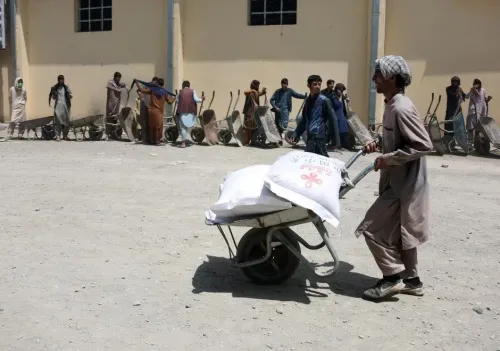
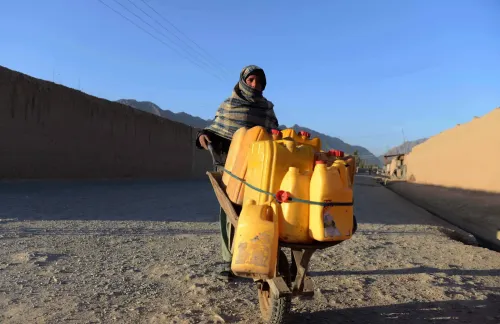
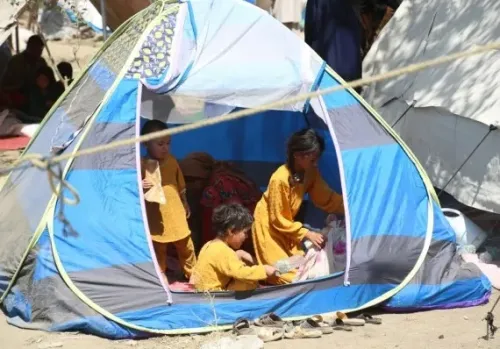
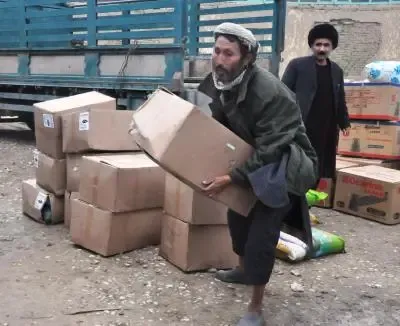
The UN humanitarian partners aim to prioritize assistance for 17.5 million individuals in 2026, which represents approximately 80 percent of those in need. This coordinated response, costing $1.71 billion, will focus on life-saving and protective measures such as food, shelter, healthcare, nutrition, safe water, hygiene, and multipurpose cash support, as reported by the Xinhua news agency.
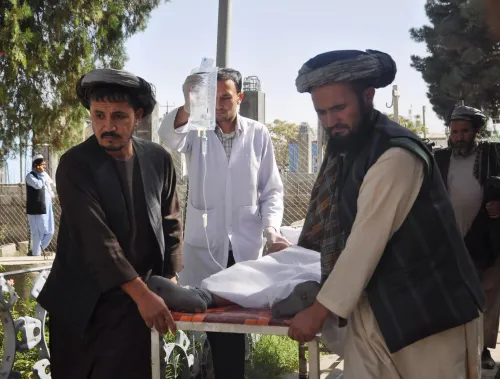
Despite the non-conflict nature of the situation, humanitarian conditions in Afghanistan are among the worst globally, driven by severe structural vulnerabilities, escalating food insecurity, and recurring shocks. These include climate-induced droughts, large-scale returnee inflows, frequent earthquakes and floods, multiple disease outbreaks, and significant protection risks, particularly for women and girls, as stated by the office.
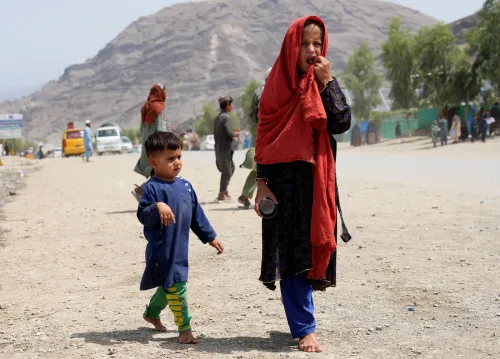
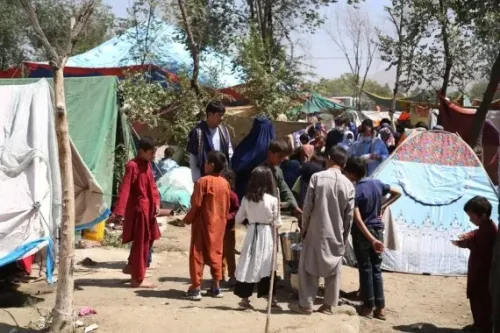
Furthermore, the mass return of Afghan refugees exacerbates the situation: over 2.61 million Afghans returned from Iran and Pakistan in 2025 alone, putting immense strain on host communities, essential services, and livelihoods, according to OCHA.
Point of View
It is imperative to acknowledge the ongoing humanitarian crisis in Afghanistan. The UN's proactive measures are a critical step towards addressing the urgent needs of millions. Ensuring the well-being of vulnerable populations must remain a priority for both national and international stakeholders.
NationPress
20 Sept 2026
Frequently Asked Questions
What is the UN's humanitarian aid plan for Afghanistan in 2026?
The UN has launched a $1.71 billion humanitarian response plan aimed at addressing the needs of 21.9 million people in Afghanistan, focusing on life-saving interventions and support.
How many people are expected to need assistance?
In 2026, an estimated 21.9 million individuals will require humanitarian assistance in Afghanistan.
What are the main challenges facing Afghanistan?
Afghanistan faces severe food insecurity, structural vulnerabilities, and recurring natural disasters, which exacerbate the humanitarian crisis.
How many Afghans returned to Afghanistan in 2025?
In 2025, over 2.61 million Afghans returned from neighboring countries, significantly increasing the demand for basic services and support.
What types of assistance will be provided?
The plan focuses on food, shelter, healthcare, nutrition, safe water, hygiene, and multipurpose cash support.