Ayushmann Khurrana on social media backlash: Even Dhurandhar faced initial criticism
Synopsis
Ayushmann Khurrana argues that social media criticism is noise, not signal. Using Dhurandhar's arc from trailer backlash to blockbuster success, he contends that quality filmmaking transcends online negativity — and that established actors must accept heightened scrutiny as the price of stardom.
Key Takeaways
Ayushmann Khurrana stated that established actors face higher criticism than early-career performers.
Dhurandhar faced significant negative reaction to its trailer but became a critically acclaimed and commercially successful film.
Social media has made private criticism public, amplifying negative commentary across platforms.
Khurrana argued that quality storytelling ultimately transcends social media backlash, citing both '12th Fail' and 'Dhurandhar' as examples.
No recent film trailer has achieved unanimous approval before release, reflecting the fragmented nature of modern audiences.
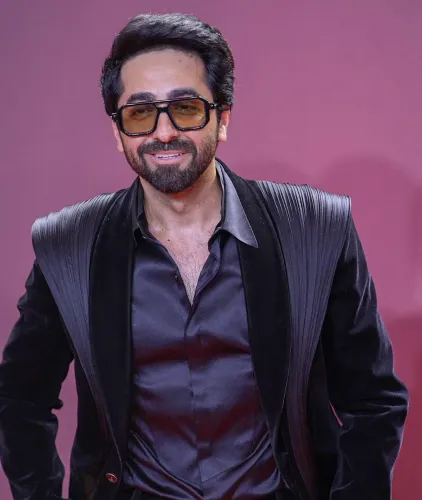
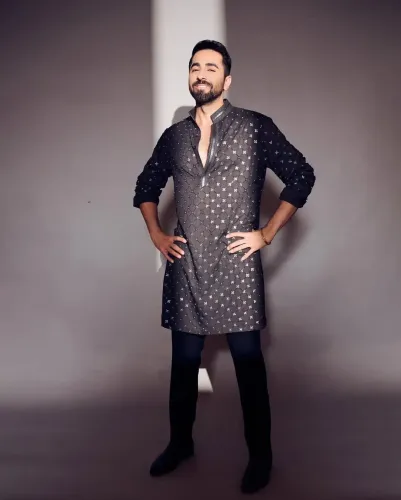
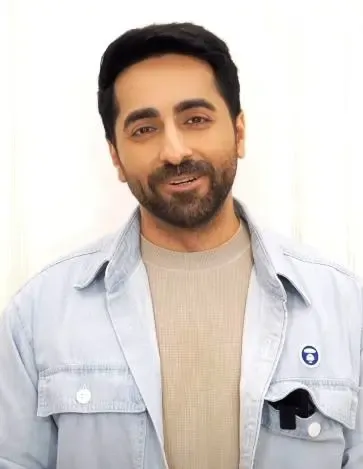
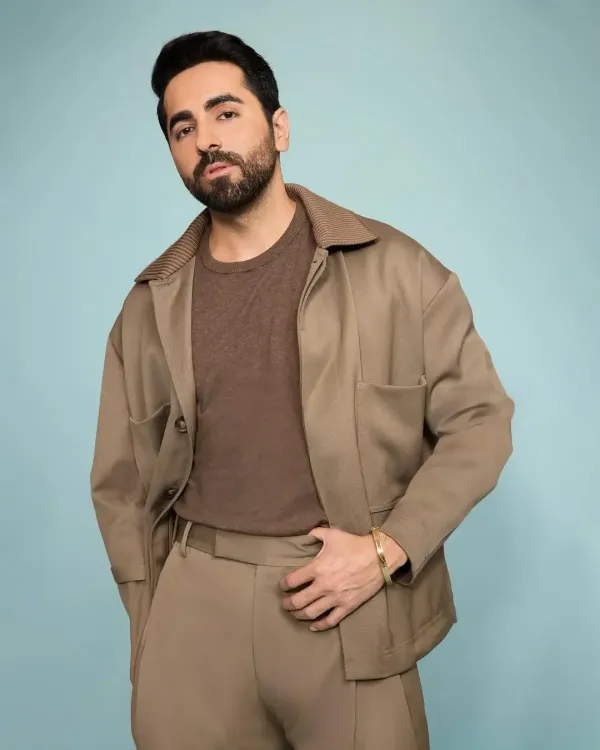
Actor Ayushmann Khurrana has offered a candid perspective on how social media amplifies audience scrutiny of films, drawing parallels to the initial reception of Ranveer Singh and Aditya Dhar's 'Dhurandhar'.
In an exclusive conversation, Khurrana explained that while early-career actors often enjoy a honeymoon period of unconditional support, established performers inevitably face heightened criticism as their profiles rise. He noted that audiences naturally gravitate toward supporting underdogs, a dynamic that shifts once an actor reaches the top tier of stardom.
The evolution of public discourse
The 'Pati Patni Aur Woh Do' actor highlighted a fundamental shift in how criticism circulates. "There used to be a lot of criticism in the past. But now, we get to hear it in a tea stall, in a corner, at a barber's shop," he explained, underscoring how social media has democratized public opinion and made private conversations public.
Dhurandhar as a case study
Khurrana cited 'Dhurandhar' as a prime example of initial negativity giving way to critical and commercial success. "There was so much negativity around the trailer. I loved it personally, but I didn't understand why there was so much negativity," he said. "And look at what the film has done. It's such a brilliant film." He lauded the drama as a "benchmark" and "unparalleled" achievement in contemporary cinema.
Quality storytelling transcends noise
The actor argued that strong filmmaking and compelling narratives ultimately prevail, regardless of social media sentiment. He drew a line between smaller productions like '12th Fail' and larger-scale projects like 'Dhurandhar', suggesting that quality is the common denominator. "Good filmmaking and a good story will definitely work," Khurrana asserted.
The paradox of unanimous approval
Notably, Khurrana observed that no recent film trailer has achieved truly universal acclaim before release. This reality reflects the fragmented nature of modern audiences and the inevitability of mixed reactions in the social media age. The implication is that negative early commentary should not be mistaken for a film's ultimate fate.
Point of View
Dhurandhar overcame trailer backlash — but not every film does. The real question is whether social media criticism has become a more reliable predictor of box-office performance than it was a decade ago. If audiences are more polarized and vocal online, studios face a genuine dilemma: ignore the noise and risk a flop, or chase every trending opinion and lose creative autonomy. Khurrana's argument works for films that are genuinely good; it offers little comfort to those that aren't.
NationPress
26 Sept 2026
Frequently Asked Questions
What did Ayushmann Khurrana say about social media's impact on films?
Khurrana argued that social media amplifies criticism but does not determine a film's ultimate success. He noted that quality storytelling transcends online negativity and cited Dhurandhar as proof of how initial backlash can give way to critical and commercial success.
Why did Dhurandhar face initial criticism?
The film's trailer received significant negative reaction on social media, though Khurrana personally admired it. Despite the backlash, Dhurandhar went on to become a critically acclaimed and commercially successful film, validating his argument about quality over noise.
How has social media changed the nature of criticism?
Khurrana explained that criticism has always existed, but social media has made it visible and public. Conversations that once happened privately — in tea stalls, barber shops, or corners — are now broadcast online, amplifying the perception of negativity.
Does Ayushmann Khurrana think social media criticism matters?
While Khurrana acknowledges that social media criticism is louder and more visible, he believes it is ultimately secondary to the quality of the film. He argued that good filmmaking and compelling stories will succeed regardless of initial online sentiment.