Why is the UN appealing for USD 1.71 billion for Afghanistan in 2026?
Synopsis
The UN's alarming appeal for USD 1.71 billion highlights the ongoing humanitarian crisis in Afghanistan. With 21.9 million people in need, the situation is dire, particularly for women and children. This urgent funding request underscores the challenges facing the nation amid economic instability and conflict.
Key Takeaways
The UN has requested USD 1.71 billion for humanitarian aid in 2026 .
Approximately 21.9 million people in Afghanistan will need support.
Ongoing conflict and economic instability are major factors.
Restrictions on women and girls exacerbate the crisis.
UN officials emphasize the need for urgent funding and support.
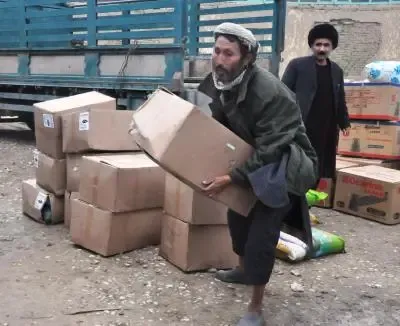
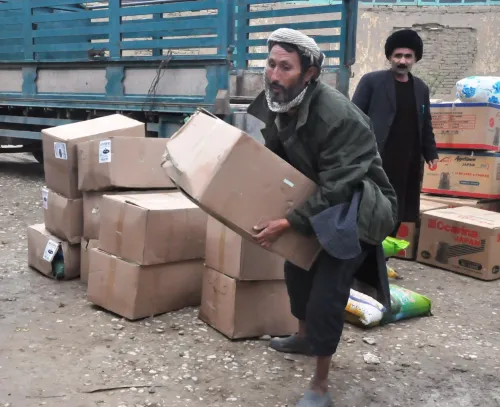
Kabul, Dec 31 (NationPress) The United Nations has requested USD 1.71 billion for humanitarian assistance in Afghanistan for the year 2026, emphasizing that the country is still grappling with a humanitarian crisis, even though there has been a slight decrease in needs, as reported by local media on Wednesday.
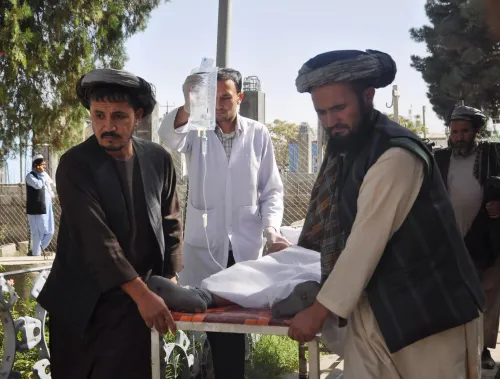
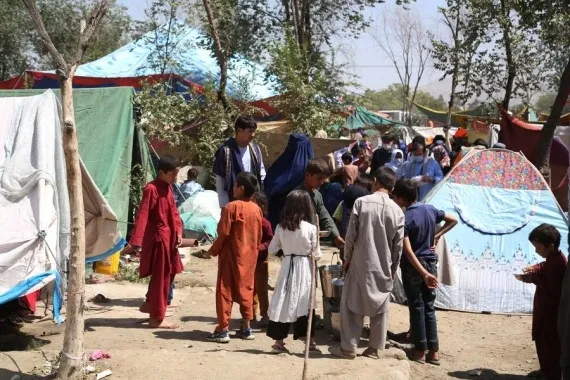
According to the UN Humanitarian Needs and Response Plan, about 21.9 million individuals, which is nearly 45 percent of the population, will require humanitarian aid in 2026. The persistent conflict, economic instability, food shortages, and disasters linked to climate change are cited as key factors driving the need for financial support, as reported by Afghanistan's prominent news outlet, Khaama Press.
The report indicates that years of underinvestment in essential services, frequent natural calamities, drought conditions, and the influx of millions of returnees from neighboring countries have severely affected the resilience of the Afghan populace.
Highlighting the repercussions of restrictions imposed on girls and women, aid organizations have noted that prohibiting girls from education and women from participating in the workforce has led to diminished household income, heightening dependence on humanitarian support and complicating relief efforts.
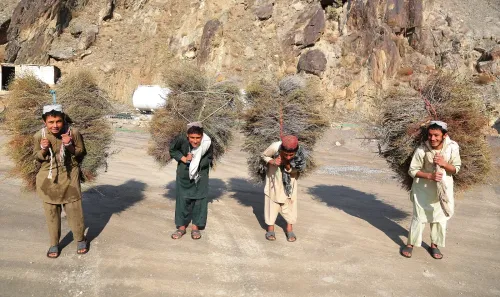
Afghanistan is facing significant socioeconomic hurdles, with UN data showing that nearly 75 percent of the population is unemployed, and 90 percent live below the poverty line. The recent return of millions of Afghan migrants from Pakistan and Iran has exacerbated the strain on public services and humanitarian frameworks, further burdening an already vulnerable system.
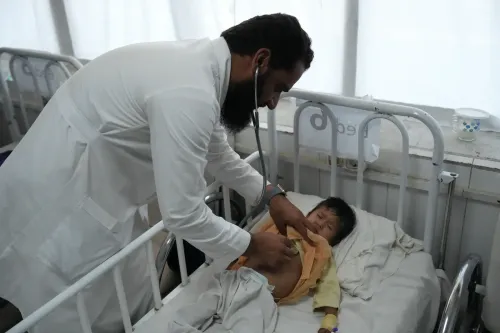
Earlier this month, UN humanitarian chief Tom Fletcher warned that 1.7 million children in Afghanistan are at grave risk of death due to severe malnutrition and described the situation as “shocking.”
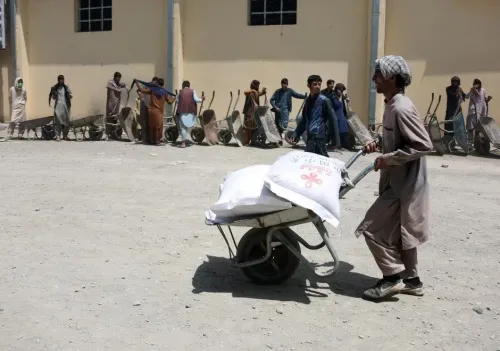
During a briefing at the United Nations Security Council (UNSC), Fletcher stated that food insecurity has worsened this winter, with numerous life-saving food distributions halted. He also mentioned that 1.1 million children lack access to critical aid, rendering them exceptionally vulnerable, as reported by Khaama Press.
The UN official highlighted that 303 nutrition service centers have been closed due to a lack of funding, further limiting emergency care for malnourished children. He asserted that lifting restrictions on women and girls is vital for effective aid operations.
Fletcher also condemned the Taliban's restrictions on women working in UN offices, calling them “unacceptable,” and warned that these limitations adversely affect essential humanitarian services. He urged the international community to increase funding for aid programs.
Point of View
It is crucial to recognize the persistent struggles faced by Afghanistan. The UN's call for assistance is not just a statistic; it reflects the harsh realities of millions of lives affected by conflict and economic despair. Our nation must prioritize humanitarian efforts and support global initiatives aimed at alleviating this crisis. We stand with the people of Afghanistan in their time of need.
NationPress
20 Sept 2026
Frequently Asked Questions
What is the purpose of the UN's funding request for Afghanistan?
The UN's funding request aims to provide humanitarian assistance to approximately 21.9 million people in Afghanistan facing severe challenges, including food insecurity and economic instability.
How many people in Afghanistan are expected to need assistance in 2026?
In 2026, around 21.9 million people, nearly 45% of the Afghan population, are projected to require humanitarian aid.
What factors contribute to the humanitarian crisis in Afghanistan?
Ongoing conflict, economic fragility, food shortages, and climate-related disasters are key factors contributing to the humanitarian crisis in Afghanistan.
What impact do restrictions on women and girls have on humanitarian efforts?
Restrictions on women and girls hinder their ability to work and access education, reducing household income and increasing reliance on humanitarian aid, complicating relief operations.
What is the current unemployment rate in Afghanistan?
UN data indicates that nearly 75% of the population in Afghanistan is currently unemployed.