Is Afghanistan Facing an Unprecedented Humanitarian Crisis?
Synopsis
The United Nations has raised alarms over a dire humanitarian crisis in Afghanistan, where millions face the threat of starvation and lack access to essential services. With funding cuts and restrictive policies, the situation is rapidly deteriorating. The plight of women and children is particularly critical as they face numerous challenges upon returning to a country in turmoil.
Key Takeaways
22 million people will require assistance in 2026.
Funding cuts have led to a decline in food distribution and health services.
Women and children represent 60% of returnees facing significant challenges.
Humanitarian efforts are hampered by rising human rights violations.
3 million people lack access to essential medical care.
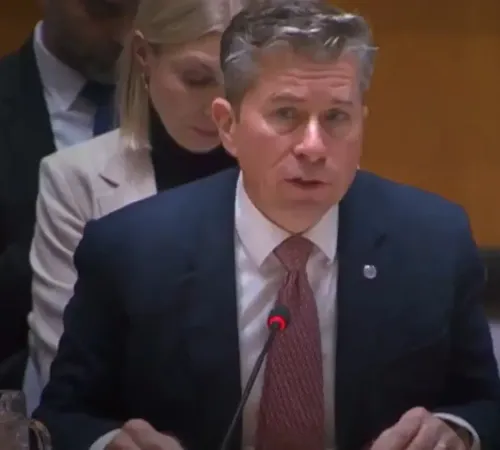
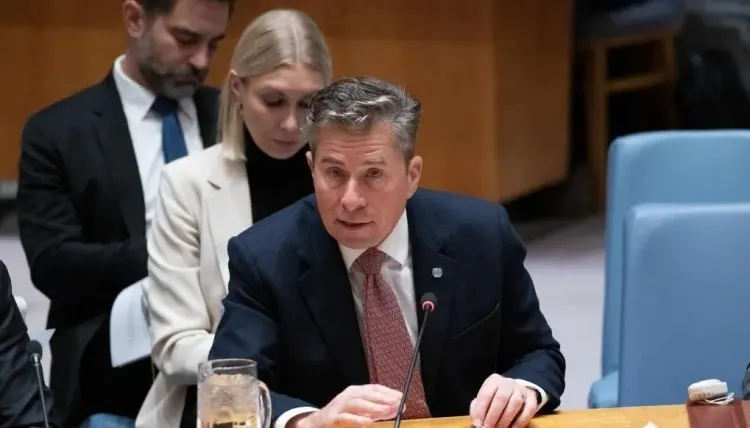
United Nations, Dec 11 (NationPress) UN Under-Secretary-General for Humanitarian Affairs and Emergency Relief Coordinator Tom Fletcher has issued a stark warning regarding a severe humanitarian crisis in Afghanistan.
The country is grappling with multiple overlapping challenges, including restrictive policies impacting women and girls, the enduring effects of prolonged conflict, chronic poverty, and significant funding cuts this year. Fletcher articulated these concerns during a briefing at the UN Security Council on Wednesday.
By 2026, it is projected that nearly 22 million people in Afghanistan will require assistance, positioning it as the world's third-largest humanitarian crisis, following Sudan and Yemen, he stated.
"Our request is for $1.7 billion to reach 17.5 million individuals. However, given the current funding landscape, we have had to focus our efforts on helping 3.9 million people who are in dire need of life-saving support," Fletcher remarked.
For the first time in four years, the number of individuals experiencing hunger in Afghanistan has surged, now affecting 17.4 million. Essential services, already inadequate and uneven across the nation, are nearing a breaking point as an unprecedented number of Afghan refugees return.
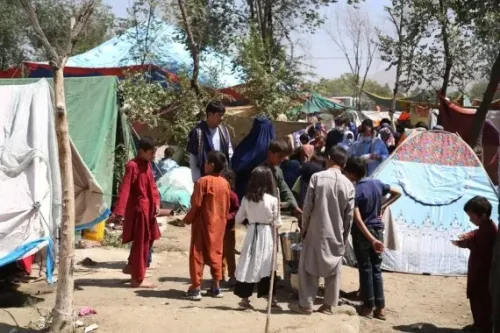
In 2025 alone, over 2.6 million Afghans returned, resulting in a total of over 4 million returnees in the past two years. The circumstances for these returnees are particularly dire, as many arrived with minimal belongings, finding shelter in communities already under strain and within an economy unable to support them.
Women and children constituted 60 percent of this year's returnees, returning to an environment where women and girls face significant restrictions on education, employment, and even healthcare access.
With approximately 2.5 million Afghans currently in Pakistan, many of whom have recently lost their legal status, the potential for further mass returns poses a serious concern, Fletcher warned.
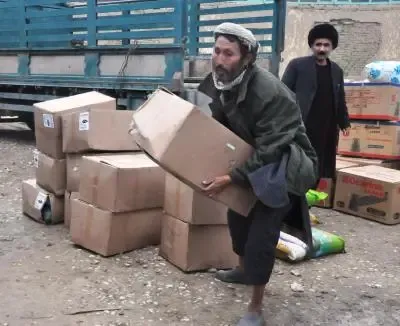
Despite the financial constraints, the United Nations and its partners have endeavored to provide aid to the best of their abilities, with the UN Central Emergency Response Fund releasing over $40 million in additional funding.
However, escalating human rights violations, especially against Afghan women staff, have exacerbated the challenges faced by many Afghans and created additional hurdles for implementing humanitarian efforts.
Humanitarian workers are operating in an extremely complex environment, facing operational, financial, and reputational risks. These include pressures to alter local beneficiary lists, bureaucratic obstacles, attempts to influence staff and contractor selections, restrictions on Afghan women staff, and the looming threat of aid diversion.
Funding shortages have led to the closure of services and reduced assistance for millions, he noted.
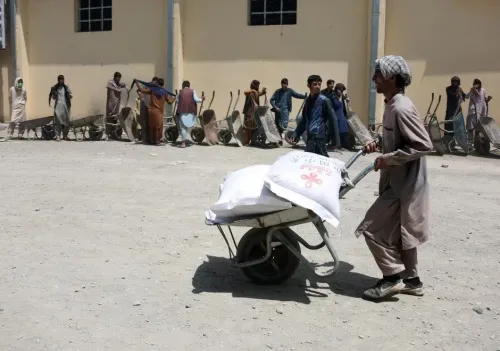
This winter marks the first in several years with almost no international food distribution. Consequently, only about 1 million of the most vulnerable individuals received food assistance during the 2025 lean season, a sharp decline from 5.6 million the previous year, as reported by the Xinhua news agency.
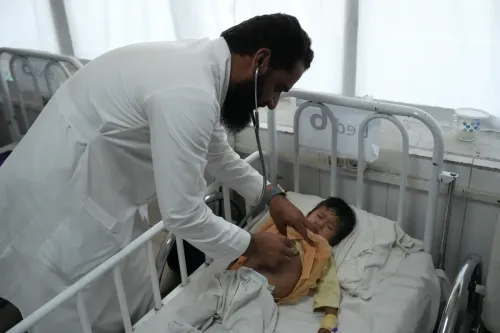
Approximately 1.1 million children are missing vital nutritional support due to the closure of 305 nutrition service delivery points. With 3.7 million children in need of nutrition, including 1.7 million at risk of death without treatment, the implications could be catastrophic.
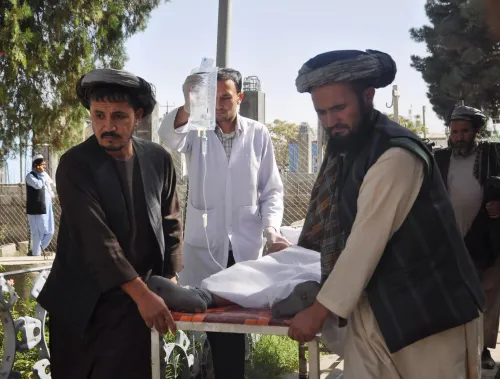
Up to 422 health facilities were shuttered in 2025, leaving 3 million people without access to essential medical care.
"As we approach 2026, we face the risk of further contraction in life-saving support—at a time when food insecurity, health needs, strain on basic services, and protection risks are all escalating," Fletcher warned.
Point of View
It is imperative to recognize the ongoing humanitarian crisis in Afghanistan. The situation is dire, and millions are in urgent need of assistance. Our commitment to reporting on these issues remains steadfast, as we aim to raise awareness and advocate for the support that Afghanistan desperately requires.
NationPress
24 Sept 2026
Frequently Asked Questions
What is the current humanitarian situation in Afghanistan?
Afghanistan is facing a severe humanitarian crisis, with nearly 22 million people expected to need assistance by 2026 due to overlapping shocks, restrictive policies, and funding cuts.
How many people are affected by hunger in Afghanistan?
Currently, 17.4 million people in Afghanistan are facing hunger, marking a significant increase for the first time in four years.
What challenges do Afghan returnees face?
Returnees often arrive with few possessions and find themselves in communities already under strain, exacerbating their vulnerability.
What role does the United Nations play in Afghanistan?
The UN and its partners are attempting to deliver aid despite limited funding and increasing human rights restrictions, particularly on women staff.
What is the projected funding needed for Afghanistan?
The UN is requesting $1.7 billion to assist 17.5 million people, but due to funding realities, they have prioritized assistance to 3.9 million individuals in urgent need.