28 million Afghans unable to meet basic needs, UNDP warns in 2025 report
Synopsis
A new UNDP report lays bare the scale of Afghanistan's collapse: 28 million people unable to meet basic needs, a trade deficit of USD 11.3 billion, over 440 health centres shut or crippled, and drought consuming 64 per cent of arable land. The report also makes an unusually direct link between Taliban restrictions on women and the country's economic decline — a finding with implications well beyond aid policy.
Key Takeaways
Nearly 28 million Afghans are unable to meet basic needs, according to a UNDP report released in May 2025 .
Afghanistan's economy grew just 1.9 per cent in 2025, against a population growth rate of 6.5 per cent .
More than 80 per cent of Afghan households are in debt; nearly three-quarters rely on negative coping mechanisms.
The return of 2.9 million Afghan migrants and worsening drought have added pressure on already strained families.
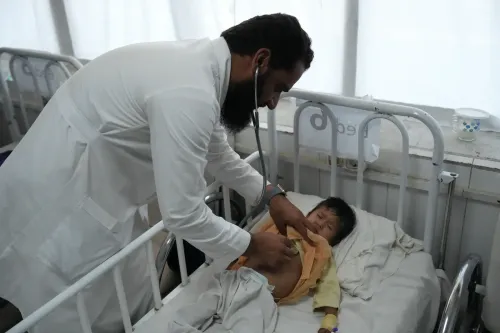
Over 440 health centres are shut or running at reduced capacity due to funding shortfalls.
UNDP linked Taliban restrictions on female education and employment to weakened labour force and lower household incomes.
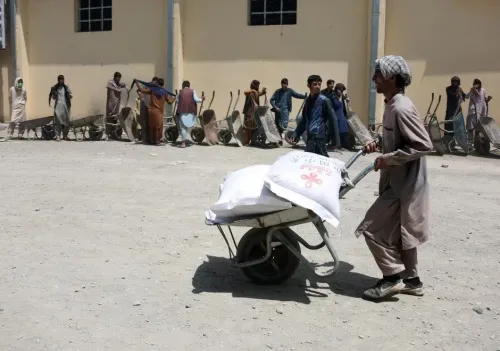
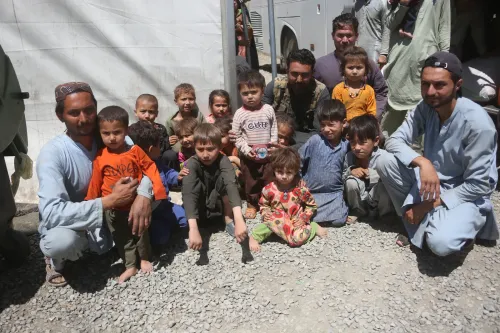
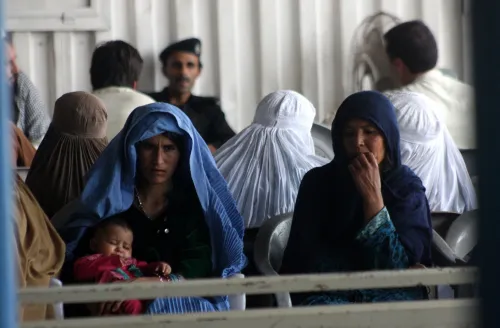
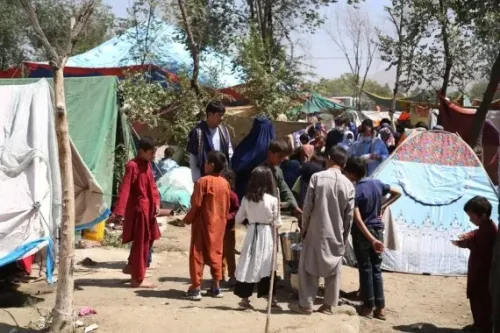
Nearly 28 million people in Afghanistan are unable to meet their basic needs, according to a new report by the United Nations Development Programme (UNDP), which warns that the country's humanitarian and economic crisis deepened significantly through 2025 amid rising poverty, worsening drought, and shrinking international aid.
Economic Collapse Outpaced by Population Growth
Afghanistan's economy grew by just 1.9 per cent in 2025 — far below the country's 6.5 per cent population growth rate — resulting in a continued decline in real per capita income. Nearly three-quarters of Afghans were reportedly forced to rely on negative coping mechanisms to survive, while more than 80 per cent of households had fallen into debt, according to the UNDP findings.
Drought, Migration, and Shrinking Aid Add Pressure
The report identifies a convergence of crises pushing Afghan families to the brink. Deteriorating drought conditions, the return of nearly 2.9 million Afghan migrants, and declining global humanitarian assistance have compounded pre-existing struggles with food insecurity, unemployment, and limited healthcare access. Climate-related shocks have been particularly severe, with drought affecting nearly 64 per cent of Afghanistan's arable land in 2026.
This comes amid a broader global trend of donor fatigue toward Afghanistan, with several major contributors reducing or redirecting aid budgets since the Taliban's return to power in 2021.
Taliban Restrictions on Women Cited as Economic Driver
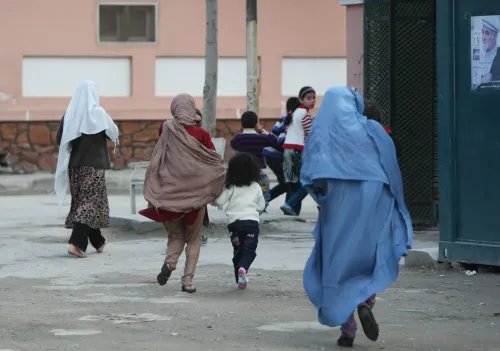
UNDP directly linked the worsening economic situation to Taliban restrictions on women and girls, stating that bans on female education and employment have weakened the country's labour force and reduced household incomes. This marks one of the more explicit assessments by a UN agency connecting gender-based restrictions to macroeconomic deterioration in Afghanistan.
Healthcare and Trade in Crisis
Afghanistan's trade deficit reached USD 11.3 billion in 2025, while access to clean drinking water and healthcare services continued to decline. Over 440 health centres were either shut or operating with reduced services due to funding shortfalls. The erosion of basic services risks creating secondary crises in public health, particularly for women and children.
What the UN Is Calling For
UN officials have urged sustained investment in livelihoods, local businesses, and public services as the only viable path to preventing further economic collapse. Without a course correction in both international support and domestic policy, analysts warn that Afghanistan's humanitarian situation could deteriorate further into a protracted crisis with regional spillover effects.
Point of View
The 1.9 per cent growth figure against 6.5 per cent population growth is a compounding catastrophe: each year of this gap widens the gap between what Afghanistan produces and what its people need. The 440 collapsed health centres are a lagging indicator — the leading one is the trade deficit of USD 11.3 billion, which signals an economy with no self-sustaining engine in sight.
NationPress
27 Sept 2026
Frequently Asked Questions
How many people in Afghanistan are unable to meet basic needs?
According to the UNDP's latest report, nearly 28 million people in Afghanistan — the majority of the population — are unable to meet their basic needs as of 2025, due to poverty, drought, and declining international aid.
Why is Afghanistan's economic crisis worsening in 2025?
Afghanistan's economy grew by only 1.9 per cent in 2025 while the population grew at 6.5 per cent, causing a sustained fall in per capita income. Compounding factors include the return of 2.9 million migrants, worsening drought, a USD 11.3 billion trade deficit, and reduced global humanitarian assistance.
How have Taliban restrictions on women affected Afghanistan's economy?
UNDP's report directly links Taliban bans on female education and employment to a weakened labour force and reduced household incomes across Afghanistan. The agency's assessment frames gender restrictions as a macroeconomic issue, not solely a human rights one.
What is the state of healthcare in Afghanistan?
Over 440 health centres in Afghanistan have either closed or are functioning with severely reduced services due to funding shortages. Access to clean drinking water has also continued to decline, according to the UNDP report.
What is the UN recommending to prevent further collapse?
UN officials are calling for sustained investment in livelihoods, local businesses, and public services. They have warned that without a significant course correction in international support and domestic policy, Afghanistan's crisis risks deepening further with potential regional consequences.