Is the Economic Condition of Afghan Women Fragile Amid Limited Job Access?
Synopsis
The UNDP highlights the precarious economic situation of Afghan women, revealing alarming statistics about job access and household vulnerabilities. With limited opportunities and rising poverty, this report sheds light on the urgent need for change. Explore the challenges faced by women in Afghanistan and the implications for the future.
Key Takeaways
75% of Afghans struggle with daily needs.
88% of female-headed households lack basic living requirements.
Only 7% of women are employed outside the home.
Funding of USD 190 million is needed for health services.
Around 22 million people in Afghanistan depend on humanitarian aid.
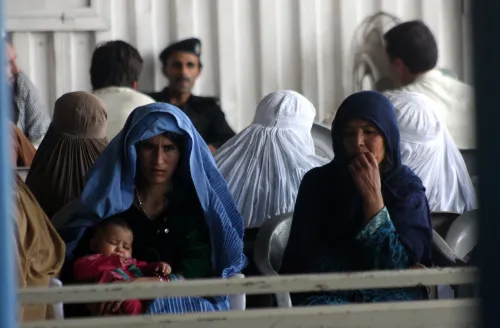
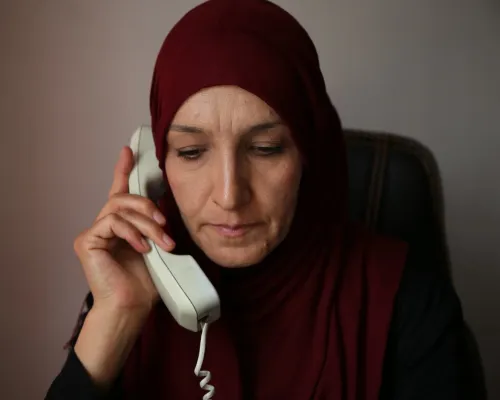
Kabul, Feb 10 (NationPress) The United Nations Development Programme (UNDP) has highlighted that the economic landscape for Afghan women is precariously unstable, characterized by limited job prospects and income opportunities, which exacerbates household vulnerabilities in Afghanistan, as reported by local media on Tuesday.
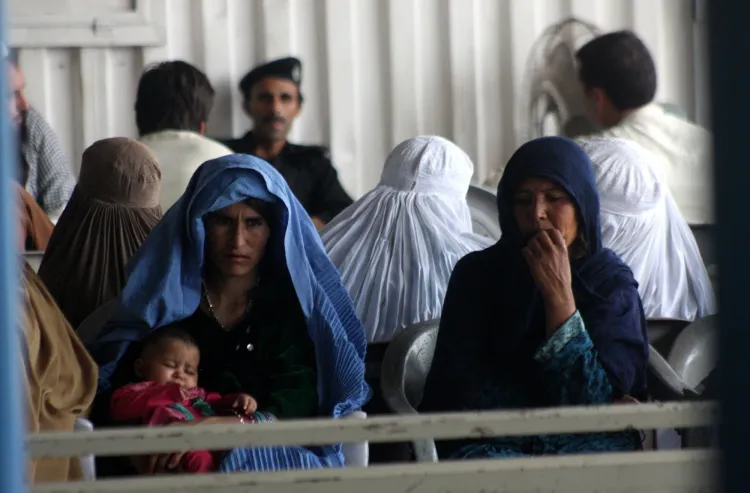
The report published on Tuesday indicates that 75% of Afghans struggle to meet their daily necessities, while a staggering 88% of households led by women lack access to basic living conditions, underscoring the intense economic strain faced by residents, according to Afghanistan's prominent news outlet Khaama Press.
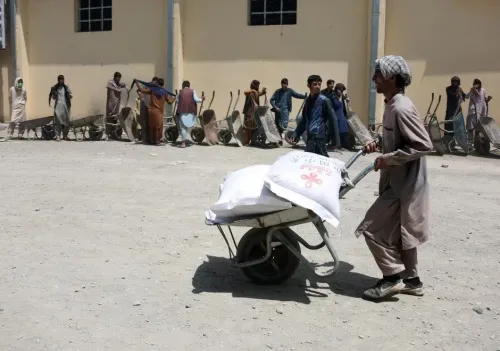
Years of conflict, economic isolation, and a reduction in international aid have severely weakened Afghanistan's economy, leaving millions reliant on humanitarian aid and informal employment to survive.
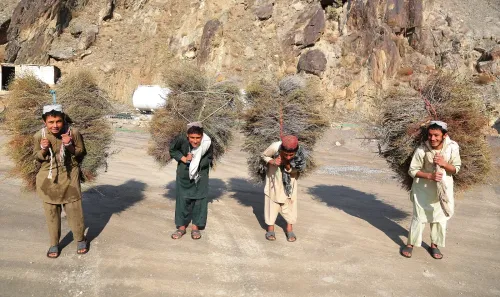
Moreover, limitations imposed on women's employment and educational opportunities have further diminished income prospects, forcing many families to depend on irregular jobs, amidst rising poverty and food insecurity.
The UNDP noted that a mere 7% of women are employed outside the home, in stark contrast to 84% of men, highlighting a significant gender disparity in employment opportunities throughout Afghanistan.
Previously in January, the United Nations Office for the Coordination of Humanitarian Affairs (OCHA) projected that 14.4 million individuals in Afghanistan would require health services by 2026, as reported by local media on Thursday.
Out of these, only 7.2 million are expected to receive coverage through existing programs, according to the OCHA's statement. The agency revealed that 54% of those in need of health services are children, 24% are women, and 10% are individuals with disabilities, as noted by Khaama Press. The OCHA highlighted that an estimated funding of over USD 190 million will be necessary to fulfill these health requirements.
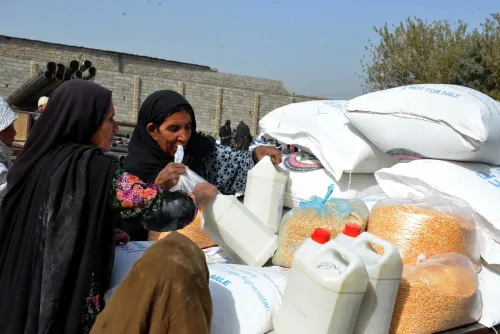
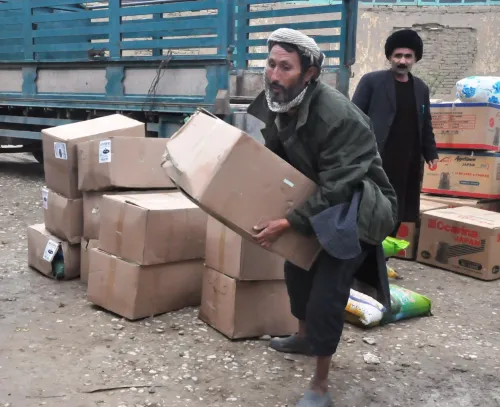
The OCHA affirmed that Afghanistan continues to represent the world’s most significant humanitarian crisis in 2026, with approximately 22 million people depending on humanitarian assistance. International organizations and NGOs are intensifying efforts to provide vaccinations, maternal healthcare, and emergency medical services across the country.
Point of View
I recognize the profound implications of the UNDP's findings on Afghan women. Their economic fragility not only affects individual families but also the broader societal fabric. It is imperative that we advocate for policies that empower women and ensure equitable access to opportunities. The path forward involves collective action and sustained international support.
NationPress
24 Sept 2026
Frequently Asked Questions
What percentage of Afghan women are employed?
Only 7% of Afghan women work outside the home, compared to 84% of men, highlighting a stark gender disparity in employment.
What is the current humanitarian crisis in Afghanistan?
The UN estimates around 22 million people in Afghanistan rely on humanitarian assistance, marking it as the world's largest humanitarian crisis.
How many Afghans struggle to meet daily needs?
75% of Afghans face challenges in fulfilling their daily necessities, indicating severe economic pressures.
What funding is needed for health services in Afghanistan?
An estimated funding of over USD 190 million will be required to address health service needs for 14.4 million individuals by 2026 .
What are the main challenges faced by women in Afghanistan?
Women face significant challenges due to restrictions on employment and education, limiting their income opportunities and contributing to overall poverty.