What is the current economic condition of Afghan women according to UNDP?
Synopsis
The UNDP reveals the alarming economic plight of Afghan women amidst severe job restrictions and rising household vulnerabilities. With 75% of the population struggling for basic needs, the report underscores the urgent need for international support and highlights the stark gender disparities in employment. Can the situation improve for Afghan women?
Key Takeaways
75% of Afghans struggle to meet daily needs.
88% of female-headed households lack minimum living requirements.
Only 7% of women work outside the home.
Over 14 million people will need health services by 2026.
Afghanistan remains the world's largest humanitarian crisis .
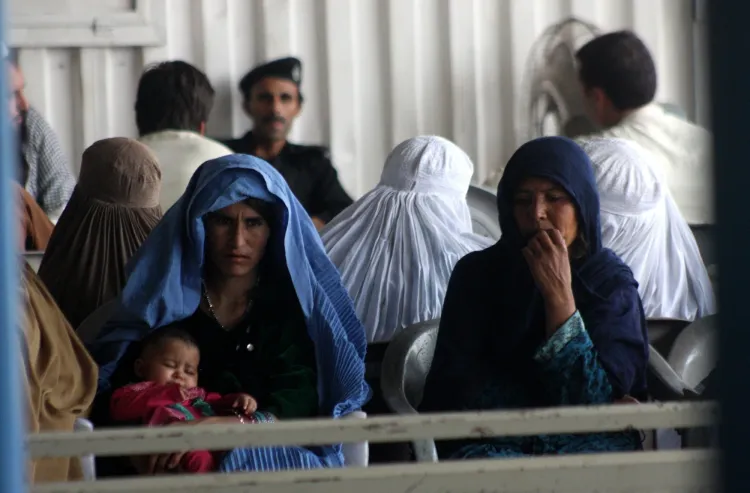
Kabul, Feb 10 (NationPress) The United Nations Development Programme (UNDP) has reported that the economic situation for Afghan women is still precarious, with restricted access to employment and income sources, exacerbating household vulnerabilities in Afghanistan, as local media highlighted on Tuesday.
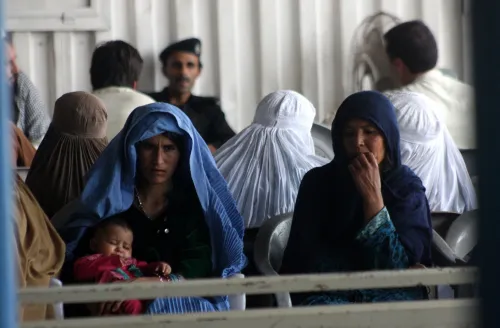
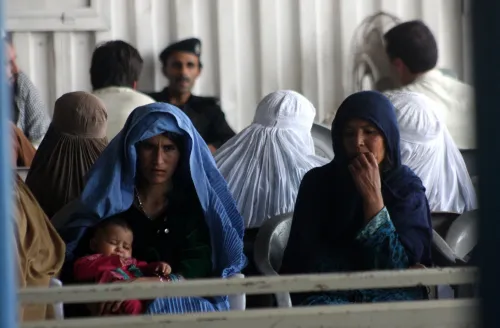
The report published recently indicates that 75% of Afghans are struggling to meet their daily necessities, while an alarming 88% of households led by women lack access to minimum living standards, reflecting the immense economic strain on the population, according to Afghanistan's prominent news agency, Khaama Press.
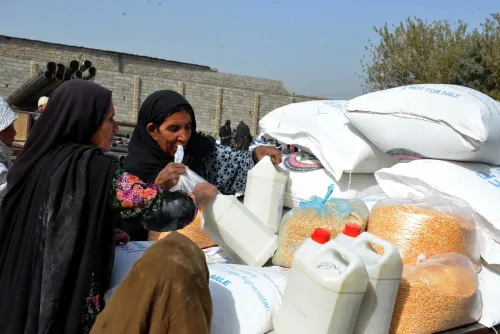
Years of conflict, economic isolation, and a decline in international aid have significantly weakened Afghanistan's economy, leaving millions reliant on humanitarian assistance and informal income avenues for survival.
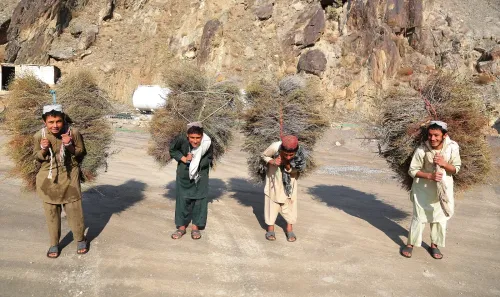
Moreover, limitations on women's employment and educational opportunities in Afghanistan have further diminished income possibilities, pushing many families towards erratic jobs as poverty and food insecurity rise.
The UNDP emphasized that merely 7% of women are engaged in formal work outside their homes, compared to 84% of men, highlighting the stark gender imbalance in job opportunities in Afghanistan.
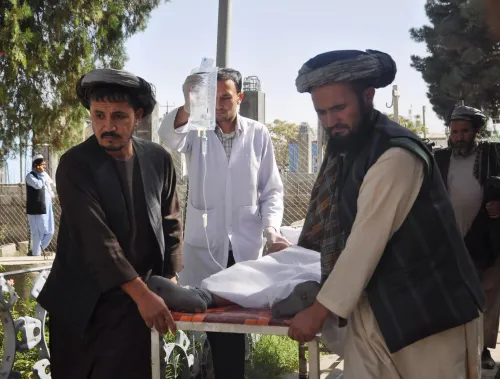
Earlier in January, the United Nations Office for the Coordination of Humanitarian Affairs (OCHA) forecasted that 14.4 million individuals in Afghanistan would require health services by 2026, according to local media reports released on Thursday.
Out of this number, only 7.2 million are expected to be covered by current programs, as stated by OCHA. The report noted that 54% of those needing health services are children, 24% are women, and 10% are individuals with disabilities, according to Khaama Press. OCHA also highlighted that over USD 190 million will be necessary to meet these health demands.
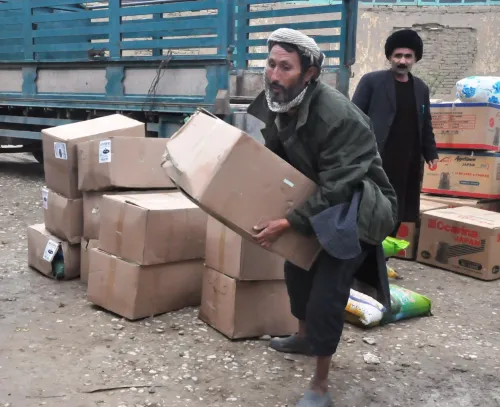
OCHA further reported that Afghanistan remains the largest humanitarian crisis globally in 2026, with roughly 22 million people depending on humanitarian aid. International organizations and NGOs have intensified their efforts to deliver vaccinations, maternal care, and emergency medical services across Afghanistan.
Point of View
It's imperative to acknowledge the ongoing struggles of Afghan women in the face of economic challenges. The UNDP's findings underscore a humanitarian crisis that requires our collective responsibility to advocate for gender equality and support initiatives that empower women economically.
NationPress
23 Sept 2026
Frequently Asked Questions
What percentage of Afghan women work outside the home?
Only 7% of Afghan women are employed outside the home, compared to 84% of men, highlighting significant gender disparity.
How many Afghans are struggling to meet daily needs?
Approximately 75% of Afghans are facing difficulties in fulfilling their daily necessities.
What is the forecast for health service needs in Afghanistan?
The OCHA predicts that 14.4 million people in Afghanistan will require health services by 2026.
What is the estimated funding needed for health services?
Over USD 190 million will be necessary to address the health needs of the Afghan population.
What is the current humanitarian situation in Afghanistan?
Afghanistan is currently facing the world's largest humanitarian crisis, with around 22 million people relying on assistance.