UN Critiques Taliban's Policies on Women, Impeding Afghanistan's Progress
Synopsis
The UN warns that the Taliban's restrictions on women are obstructing Afghanistan's development and worsening humanitarian crises. With the absence of female UN personnel, vital support for Afghan women is severely curtailed. Urgent action is needed to lift these restrictions and address the deteriorating situation.
Key Takeaways
The UN warns that restrictions on women hinder Afghanistan's progress.
Taliban's policies are impacting humanitarian aid operations.
Humanitarian crisis worsened due to reduction in international funding .
Only 10 percent of necessary funding for aid has been secured.
Gender disparity in employment highlights the economic struggles faced by Afghan women.
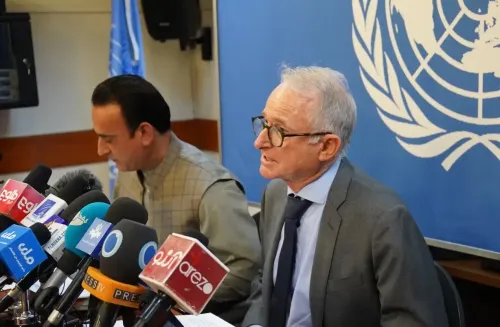
Kabul, March 10 (NationPress) The United Nations Assistance Mission in Afghanistan (UNAMA) has issued a stern warning that the ongoing restrictions on women in Afghanistan are significantly impeding the country's development and exacerbating humanitarian crises, according to local media reports on Tuesday.
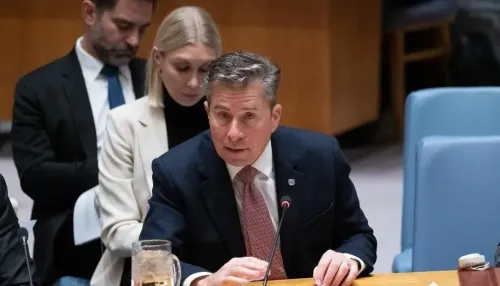
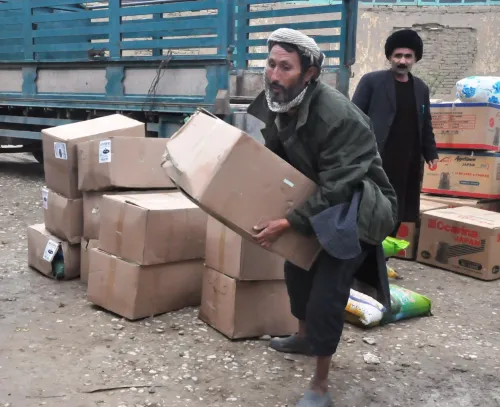
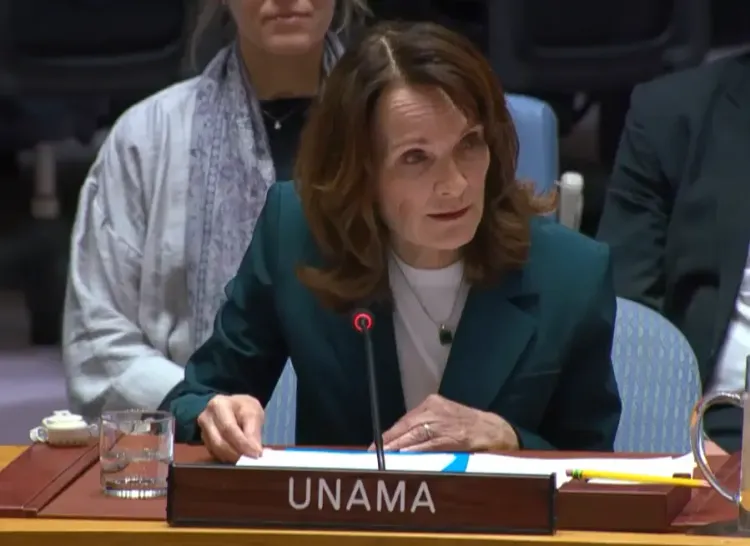
UNAMA's Acting Head, Georgette Gagnon, emphasized that the Taliban is prioritizing ideological agendas over the welfare of the Afghan populace. During a session of the United Nations Security Council (UNSC), Gagnon highlighted that the Taliban's prohibition on women working within humanitarian organizations is severely affecting aid operations and limiting agencies' capacity to support vulnerable individuals, as reported by Afghanistan's prominent news outlet, Khaama Press.
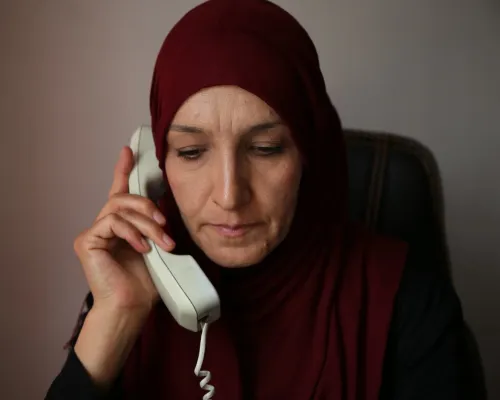
"The UN's ability to provide assistance and connect with Afghan women is hindered by a six-month ban preventing UN female national personnel from attending their workplaces. Their absence not only deprives the UN of essential skills and experience but also diminishes our capacity to deliver critical support to Afghan women and the broader community," she stated.
Gagnon underscored that the humanitarian situation has worsened in Afghanistan in 2026 due to a decline in international funding, increasing needs, and the return of numerous migrants, compounded by the restrictive policies of the Taliban.
She pointed out that major urban areas are under immense pressure from years of economic decline and recurrent climate disasters, which have weakened families' resilience and triggered new waves of migration and internal displacement.
Humanitarian partners have requested approximately USD 1.71 billion in 2026 to assist 17.5 million Afghans. However, only around 10 percent of this funding has been secured to date, as per UN officials.
Recently, the Taliban imposed a ban on Afghan women working in UN offices, a decision that the UN has described as severely limiting its ability to aid Afghan women in distress.
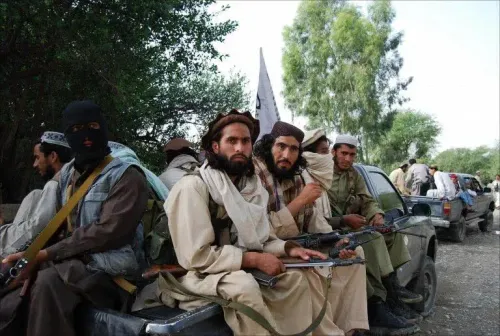
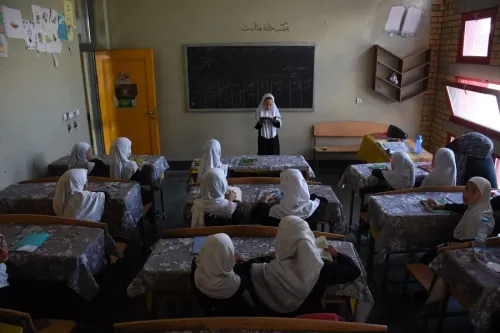
Since the Taliban regained control of Afghanistan in August 2021, they have enforced bans on women working in various governmental and non-governmental organizations and have prohibited girls from attending school beyond the sixth grade.
The United Nations and multiple countries have consistently urged the Taliban to permit women to operate within humanitarian agencies, deeming it a crucial step towards Afghanistan's reintegration into the global community.
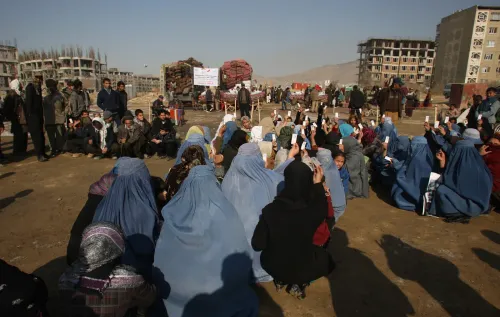
On February 10, the United Nations Development Programme (UNDP) reported that the economic circumstances for Afghan women remain precarious, with restricted job and income opportunities heightening household vulnerabilities in Afghanistan.
The report disclosed that 75 percent of Afghans struggle to meet their daily needs, while 88 percent of female-headed households lack access to basic living requirements, illustrating the severe economic strain faced by the populace, Khaama Press reported.
Afghanistan's economy has been undermined by prolonged conflict, economic isolation, and diminished international aid, leaving millions reliant on humanitarian support and informal income sources for their survival.
Furthermore, the restrictions on women's employment and education have further limited income opportunities, forcing many families to depend on irregular work as poverty and food insecurity continue to rise.
UNDP noted that only seven percent of women are employed outside the home compared to 84 percent of men, highlighting the stark gender disparity in employment opportunities in Afghanistan.
Point of View
I observe that the ongoing restrictions imposed by the Taliban on women in Afghanistan are not just a local concern but a significant issue that affects the global community. The UN's warnings highlight the urgent need for international action to support the rights and welfare of Afghan women, which is crucial for the nation's future.
NationPress
30 Sept 2026
Frequently Asked Questions
What restrictions have been imposed on women in Afghanistan?
The Taliban has banned women from working in numerous humanitarian organizations and restricted their access to education beyond the sixth grade.
How has the UN responded to these restrictions?
The UN has warned that these restrictions are undermining Afghanistan's progress and worsening humanitarian conditions, urging the Taliban to lift the bans.
What is the current humanitarian situation in Afghanistan?
The humanitarian crisis has deteriorated significantly, with millions requiring assistance due to economic decline, migration, and restrictive policies.
How many Afghans are currently in need of aid?
Humanitarian partners have called for approximately USD 1.71 billion to assist 17.5 million Afghans in need.
What is the employment situation for women in Afghanistan?
Only seven percent of women work outside the home, compared to 84 percent of men, highlighting significant gender disparity in employment.