UN Rapporteur Highlights Crisis in Afghan Women's Healthcare Due to Funding Cuts
Synopsis
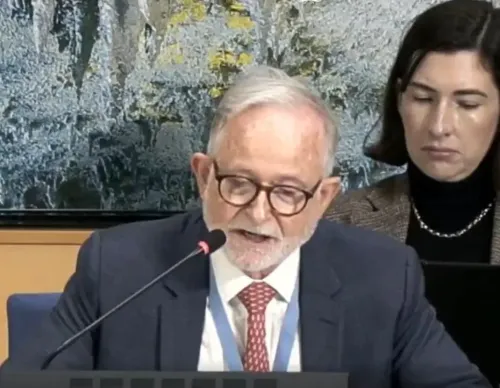
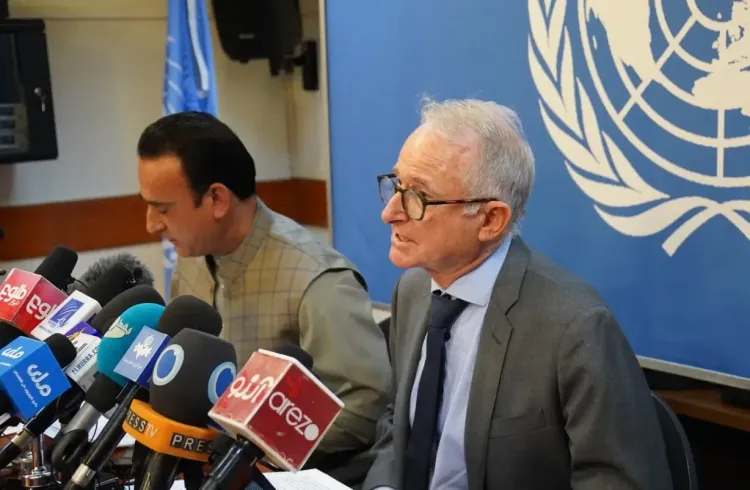
On February 26, Richard Bennett, UN Special Rapporteur, raised alarms about the dire situation regarding Afghan women's healthcare access due to restrictions and funding cuts. His upcoming report sheds light on the challenges faced by women and girls in the region, emphasizing the urgent need for action.
Key Takeaways
Critical healthcare access: Afghan women's access to essential healthcare is severely restricted.
Funding cuts: More than 300 clinics have closed, impacting healthcare availability.
Education barriers: Taliban policies hinder women's education and medical training.
Economic fragility: Afghan women's economic conditions remain precarious with limited job opportunities.
Gender disparity: A stark difference exists in employment rates between men and women.
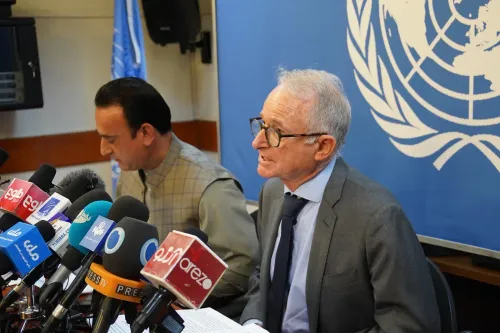
Kabul, February 26 (NationPress) - Richard Bennett, the United Nations Special Rapporteur on human rights in Afghanistan, has raised alarms about the detrimental impact of restrictions and cuts to international funding on Afghan women's access to vital healthcare services, according to local media reports from Thursday.
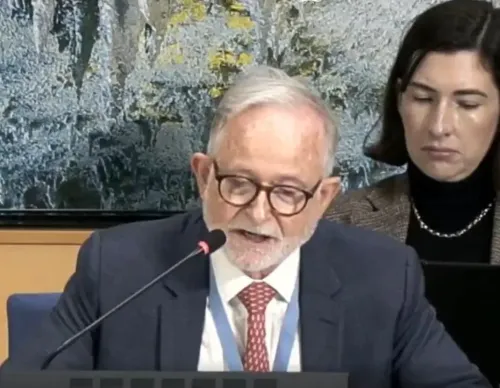
Bennett is set to present a comprehensive report regarding women's and girls' health rights during the 61st session of the United Nations Human Rights Council in Geneva. He highlighted that Afghanistan's healthcare system has remained fragile due to years of conflict, poverty, and lack of infrastructure investment. Currently imposed restrictions have exacerbated the difficulties faced by women and girls in obtaining healthcare.
He identified three main contributors to the crisis: the structural weaknesses within the healthcare system, the restrictive policies enacted by the Taliban, and the reduction in international funding. Over 300 clinics have reportedly closed due to these funding cuts, and the working hours and staffing levels, especially among female healthcare professionals, have seen significant declines.
The Taliban’s policies, which include barring women from medical education and imposing restrictions on their freedom of movement, have further impeded their access to healthcare.
The report takes a “multi-dimensional” approach, examining the various forms of discrimination that women face. Rural women, particularly those with disabilities, elderly individuals, and those without a male guardian, encounter even greater challenges in accessing physical, mental, and reproductive healthcare services.
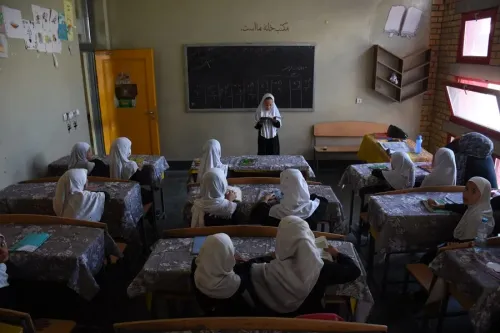
Bennett expressed that the determination shown by Afghan women and girls to pursue education offers a glimmer of hope, emphasizing that education empowers individuals to understand and advocate for their rights. Since the Taliban's takeover in 2021, girls have been banned from secondary schools, universities, and medical institutions, raising concerns about the future sustainability of Afghanistan’s health sector.
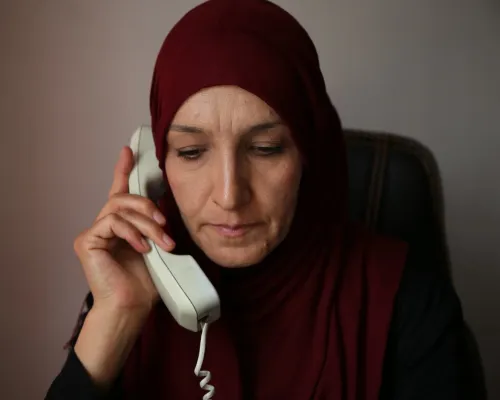
On February 10, the United Nations Development Programme (UNDP) reported that Afghan women's economic conditions remain precarious, with restricted access to employment and income opportunities heightening household vulnerabilities across the country.
The report revealed that 75% of Afghans struggle to meet their daily needs, with 88% of female-headed households lacking access to basic living essentials, highlighting the severe economic strain faced by the population.
Afghanistan’s economy has been crippled by years of conflict, economic isolation, and diminished international aid, leaving millions reliant on humanitarian assistance and informal income sources for survival.
Moreover, restrictions on women's employment and education have diminished job opportunities, compelling many families to depend on irregular work as poverty and food insecurity continue to rise.
UNDP noted that only 7% of women engage in work outside the home, compared to 84% of men, underscoring the stark gender disparity in employment opportunities in Afghanistan.
Point of View
The report by Richard Bennett highlights a pressing humanitarian crisis. The deteriorating healthcare access for Afghan women is a significant concern that must be addressed urgently. The systemic barriers created by the Taliban and the impacts of international funding cuts demand immediate global attention and action.
NationPress
27 Sept 2026
Frequently Asked Questions
What are the main issues affecting Afghan women's healthcare?
The main issues include restrictions imposed by the Taliban, cuts in international funding, and structural weaknesses within the healthcare system.
How many clinics have closed due to funding cuts?
More than 300 clinics have been forced to shut down as a result of funding cuts.
What challenges do women in rural areas face regarding healthcare?
Women in rural areas, especially those with disabilities and lacking a male guardian, face severe barriers in accessing physical, mental, and reproductive healthcare services.
What is the current employment situation for Afghan women?
Only 7% of women work outside the home compared to 84% of men, indicating a significant gender disparity in employment opportunities.
What is the impact of Taliban policies on women's education?
The Taliban has banned girls from attending secondary schools and universities, which poses a threat to the future of Afghanistan's healthcare sector.