How Did the Telecommunications Shutdown in Afghanistan Impact Women and Humanitarian Aid?
Synopsis
A recent UN report sheds light on the dire consequences of Afghanistan's telecommunications shutdown, revealing how it intensified restrictions on women and disrupted critical humanitarian efforts. This alarming situation underscores the ongoing challenges faced by the Afghan population in accessing essential services. Discover the human rights implications and the struggles of women during this crisis.
Key Takeaways
The telecommunications shutdown in Afghanistan has worsened existing restrictions on women and girls.
Critical delays in medical care were reported due to the shutdown.
Humanitarian efforts faced significant disruption during this period.
The report highlights the serious human rights implications of communication restrictions.
Women are particularly vulnerable, facing increased challenges in daily life.
Kabul, Oct 28 (NationPress) A recent report from the United Nations Assistance Mission in Afghanistan (UNAMA) highlights that the two-day telecommunications shutdown in Afghanistan has significantly intensified the already stringent restrictions placed on women and girls. Furthermore, it has disrupted humanitarian efforts and caused critical delays in medical care.
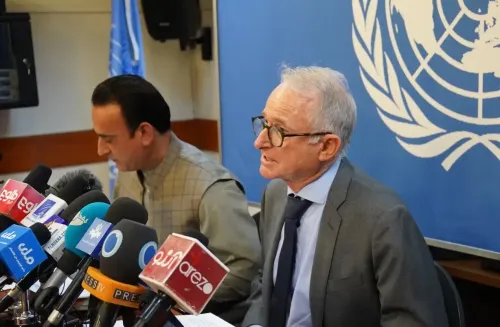
The Office of the United Nations High Commissioner for Human Rights (OHCHR) mentioned on Tuesday: "This morning, the UN Human Rights Office and the UN Assistance Mission in Afghanistan released a briefing paper detailing the severe and extensive human rights repercussions stemming from last month’s telecommunications shutdowns in Afghanistan - an action that only worsened the myriad of challenges facing the populace. The Afghan people heavily depend on telecommunications for essential services ranging from health systems to the banking sector and everyday business operations."
The report, titled 'Out of Reach: The Impact of Telecommunications Shutdowns on the Afghan People', was compiled after over 100 interviews conducted in the wake of the 48-hour nationwide shutdown enforced by the Taliban from September 29 to October 1. It is based on interviews with 111 individuals across 32 of Afghanistan’s 34 provinces.
"The documented human rights impacts included: delays or lack of access to healthcare and emergency services; disruption of humanitarian initiatives; aggravation of existing discriminatory restrictions on women and girls; violation of personal and family communication; and interruption of business and banking activities," the OHCHR stated in its press release.
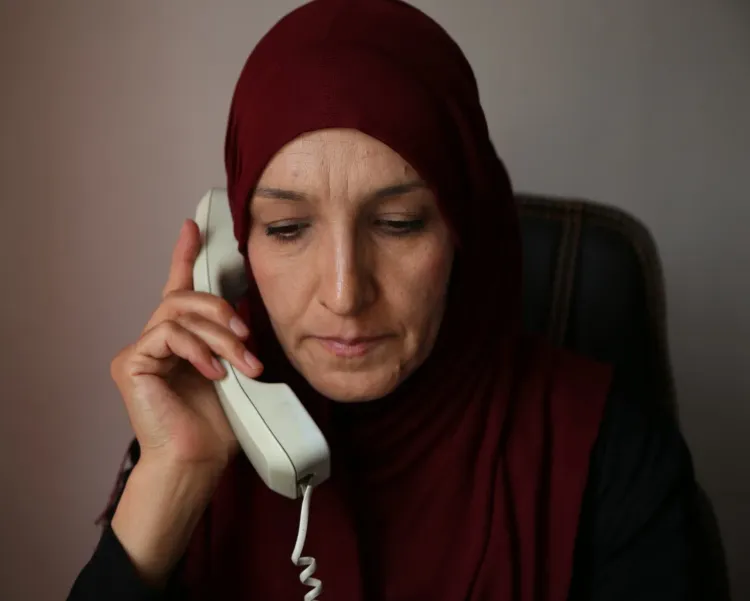
Women interviewed reported that their lives became even more challenging during the telecommunications shutdown. For instance, some women were unable to reach their male guardians during this period. Significantly, Afghan women must be accompanied by a male guardian for journeys exceeding 78 kilometers or when traveling by vehicle. In various regions of Afghanistan, male guardians are also required to accompany women for shopping, work, or medical visits within that distance.
Online education has become a vital resource for Afghan women and girls since the Taliban has prohibited girls from attending school beyond the sixth grade. "I can simply say that those were very difficult days and nights for us [during the shutdown]. We were extremely terrified that we might regress to the stone-age era of human history. It was an unbearable period of my life," a student recounted in the press briefing.
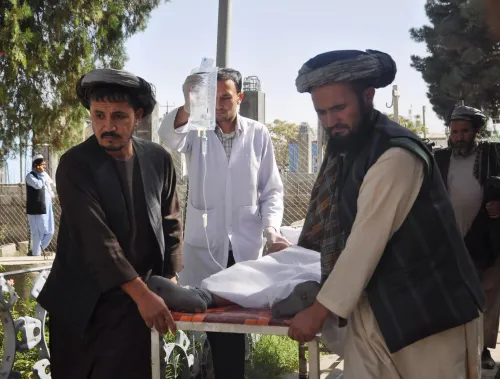
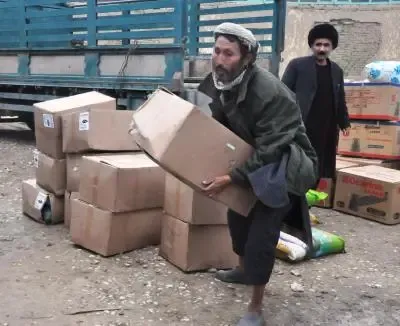
Healthcare professionals expressed concerns about preventable fatalities that occurred in Afghanistan due to the telecommunications shutdown. Additionally, humanitarian workers reported that their efforts were hampered, delaying aid to those in need. At that time, these workers were assisting individuals affected by the earthquake that struck Nangarhar, Laghman, and Kunar provinces on August 31, as well as Afghan refugees returning from Pakistan.
The OHCHR emphasized, "Shutdowns and other disproportionate communication restrictions violate the rights to freedom of expression and access to information and contravene Afghanistan’s human rights obligations. The de facto authorities have yet to provide a public explanation for the shutdown. As custodians of Afghanistan’s human rights commitments, they must ensure that any restrictions on rights to freedom of expression and access to information are legally justified and proportionate responses to legitimate concerns under international human rights law."
Point of View
It is imperative to highlight the pressing issues facing Afghanistan today. The recent telecommunications shutdown not only reflects the ongoing struggles for basic human rights but also raises significant concerns about the future of women and girls in the country. Our commitment to shedding light on these issues is unwavering, and we stand with the Afghan people in advocating for their rights and dignity.
NationPress
24 Sept 2026
Frequently Asked Questions
What caused the telecommunications shutdown in Afghanistan?
The shutdown was implemented by the Taliban and has not been publicly justified, raising concerns about the infringement of rights.
How has the shutdown affected women in Afghanistan?
Women faced increased difficulties, including restricted access to healthcare and the inability to contact their male guardians during the shutdown.
What were the humanitarian implications of the shutdown?
The shutdown disrupted humanitarian operations, delaying aid to those affected by disasters and increasing the hardships faced by the population.
What does the UN report recommend?
The report emphasizes the need for the de facto authorities to respect human rights obligations and ensure any restrictions are legally justified.
How can we support Afghan women affected by these restrictions?
Raising awareness, supporting humanitarian organizations, and advocating for women's rights in Afghanistan are crucial steps.