How is PM Modi’s PRAGATI initiative accelerating major infrastructure projects?
Synopsis
Discover how PM Modi's PRAGATI initiative is not just about infrastructure, but a transformative force for the economy, resolving bottlenecks and ensuring timely project completions across India.
Key Takeaways
PRAGATI initiative fosters proactive governance.
Significant projects are progressing under Modi's leadership.
Timely completion enhances economic growth.
Addressing bottlenecks is crucial for infrastructure.
Infrastructure development drives regional connectivity.
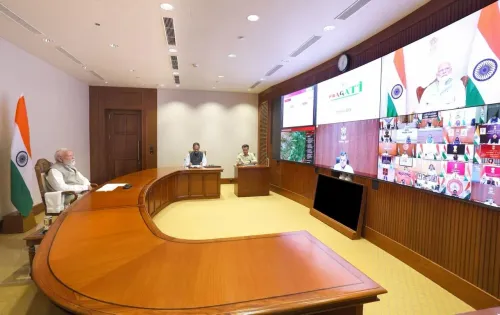
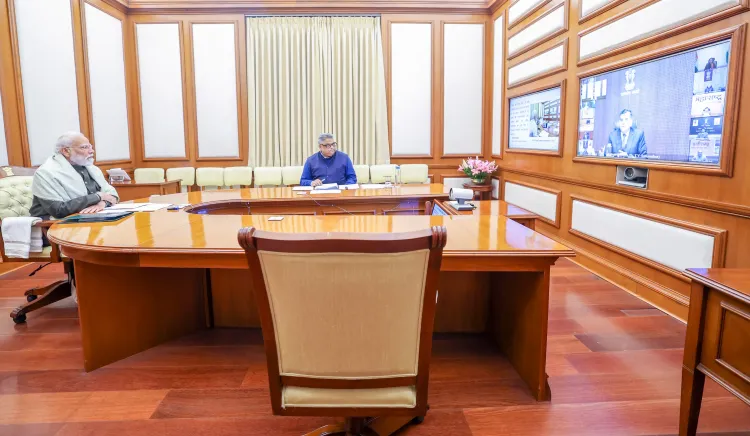
New Delhi, Jan 4 (NationPress) Prime Minister Narendra Modi has directly intervened to tackle bottlenecks hampering the advancement of significant infrastructure projects across the nation, significantly contributing to the country's economic growth.
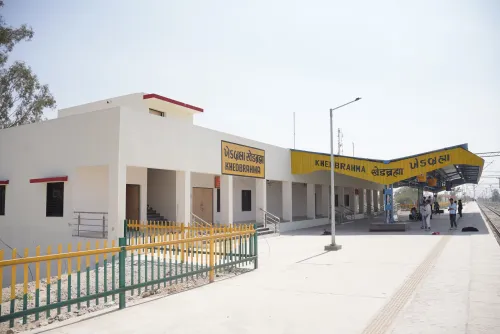
The PRAGATI initiative, which stands for Pro-Active Governance and Timely Implementation, is pivotal in ensuring the prompt completion of substantial projects like the Pune Metro Rail, the doubled Bhubaneswar-Puri rail line, the Lumding-Silchar Broad Gauge Railway Line, and the Rosa - Sitapur Cantonment - Burhwal Rail doubling project.
The Pune Metro Rail Project Phase-I marks a significant advancement in sustainable urban transportation for the Pune-Pimpri Chinchwad metropolitan area. Under the supervision of the Ministry of Housing and Urban Affairs and executed by Maharashtra Metro Rail Corporation Limited (Maha-Metro), this project stretches over 33.28 kilometers across two corridors—PCMC–Swargate and Vanaz-Ramwadi—featuring 30 stations, with a total expenditure of Rs 13,656.22 crore.
During its implementation, two critical challenges arose that could not be resolved through standard administrative procedures. A vital section of the route passed through Defence territory under the Khadki Cantonment, where delays in granting work permission and land transfer hindered construction continuity. Additionally, part of the alignment near the nationally protected Aga Khan Palace fell within a regulated area under the AMASR (Ancient Monuments and Archaeological Sites and Remains) Act, resulting in the National Monuments Authority not issuing a No-Objection Certificate, causing work in that area to cease.
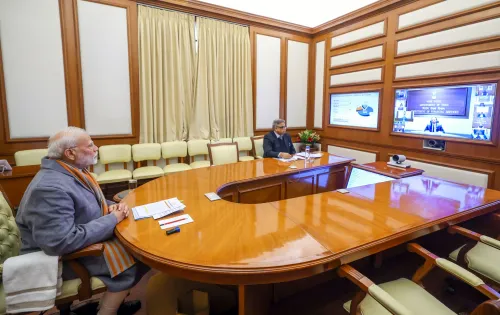
Recognizing the project's national significance, these issues were reviewed in a PRAGATI meeting led by the Prime Minister on September 26, 2018, when physical progress was around 24 percent. Clear, outcome-focused directives issued during this meeting helped resolve these obstacles, expediting project timelines and enhancing execution momentum.
The Bhubaneswar–Delang–Puri Rail Line Doubling (70 km) is a crucial railway infrastructure project initiated by the Ministry of Railways and managed by East Coast Railway in Odisha. This initiative was launched in anticipation of the Nabakalebara festival in July 2015, which was expected to draw around 50 lakh devotees, as estimated by the State Government. The project aims to enhance rail capacity on one of India’s major pilgrimage routes, with an estimated cost of Rs 1,650 crore, extending through Khurda and Puri districts to bolster connectivity to Puri, a significant religious and tourist center.
Given the fixed festival schedule and projected increase in passenger traffic, the project faced considerable challenges in meeting deadlines. During the review, the Prime Minister emphasized, “As this project is vital for the Nabakalebara festival, the Ministry must ensure all works are completed well ahead of the event.” This directive instilled focused accountability within the implementing agency and elevated the project's urgency. Execution efforts were subsequently intensified, inter-departmental cooperation was enhanced, and remaining tasks were prioritized for immediate completion.
Apart from fulfilling festival needs, this corridor has fostered long-term regional connectivity, boosted tourism, and stimulated economic activity in Odisha.
In a similar vein, the Lumding-Silchar Broad Gauge Railway Line, estimated at Rs 8,359 crore, is a strategically vital rail corridor serving southern Assam (Barak Valley) and ensuring essential rail connectivity to the hilly states of Tripura, Manipur, and Mizoram.
Despite its significance, the project faced extended implementation challenges in its early stages due to limited funding, challenging terrain, adverse weather, inadequate road access, and disruptions related to insurgency from 2006 to 2009, which required the involvement of the Territorial Army. Normal construction activities only resumed after the security situation stabilized post-2009.
The project was reviewed by the Prime Minister through the PRAGATI mechanism, at which point physical progress was minimal. Following the Prime Minister’s direction, the project received concentrated attention, including improved inter-agency coordination, meticulous monitoring, and time-bound execution, resulting in a remarkable acceleration in progress.
Similarly, the Rosa - Sitapur Cantonment - Burhwal Rail Doubling Project, costing Rs 2,560 crore and spanning 180 km, was initiated as a crucial capacity enhancement effort under the Ministry of Railways but faced delays due to unresolved forest clearances and a slow land acquisition process.
Understanding the project’s strategic importance for regional mobility and national logistics, unresolved matters were escalated to the Project Monitoring Group (PMG) portal for structured inter-agency collaboration. Subsequently, these issues were reviewed under the PRAGATI framework, chaired by the Prime Minister, ensuring focused attention at the highest governance level, leading to swift resolutions and accelerated project timelines.
This project has resolved single-line constraints on a vital section of the Northeastern Railway network, which accommodates over 100 passenger and freight trains daily.
Point of View
I commend the proactive approach adopted by the government in addressing infrastructure bottlenecks. The PRAGATI initiative exemplifies a commitment to enhancing India's economic framework, ensuring timely project completion. This strategy not only positions India for robust growth but also reflects the government's dedication to sustainable development.
NationPress
27 Sept 2026
Frequently Asked Questions
What is the PRAGATI initiative?
The PRAGATI initiative, which stands for Pro-Active Governance and Timely Implementation, is a government mechanism aimed at resolving bottlenecks in infrastructure projects to ensure timely completion.
How has PM Modi contributed to infrastructure projects?
PM Modi has personally intervened to resolve issues stalling major infrastructure projects, significantly accelerating their progress and completion.
What are some key projects under the PRAGATI initiative?
Key projects include the Pune Metro Rail, the Bhubaneswar-Puri rail line doubling, and the Lumding-Silchar Broad Gauge Railway Line.
What challenges do infrastructure projects face?
Challenges include land acquisition delays, environmental clearances, and funding issues, which can hinder project timelines.
What impact does infrastructure development have on the economy?
Infrastructure development boosts connectivity, enhances economic activity, and facilitates tourism, contributing to overall economic growth.