Is Maersk Turning to Ethanol Fuel to Slash Emissions and Reduce Dependence on China?
Synopsis
Maersk is exploring the use of ethanol as an alternative fuel source to tackle carbon emissions and decrease its reliance on China for green fuels. This strategic move could pave the way for a more balanced global energy transition.
Key Takeaways
Maersk is exploring ethanol as a fuel alternative.
The move aims to cut carbon emissions .
Diversifying fuel sources can enhance global energy support.
Maersk has invested in methanol-powered vessels.
Other shipping companies are also pursuing low-emission technologies.
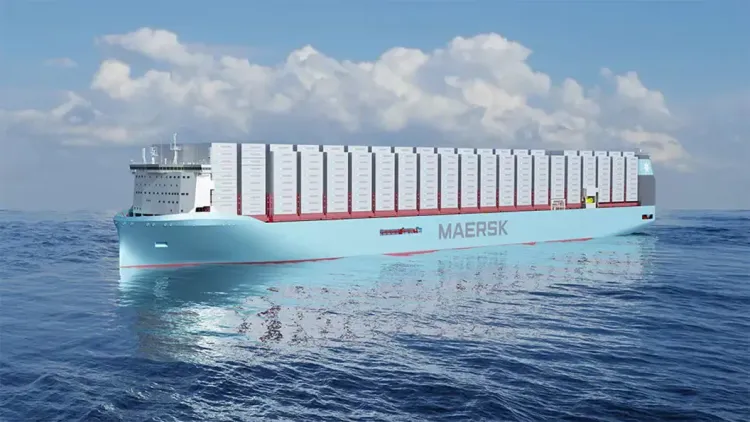
New Delhi, Jan 12 (NationPress) Maersk is actively seeking to enhance its utilization of ethanol as a fuel in an effort to diminish carbon emissions and lessen its reliance on China for green fuel sources.
In a discussion with the Financial Times, Vincent Clerc, CEO of Maersk, stated that the corporation is investigating ethanol as an alternative fuel due to its more widespread production across various nations.
He emphasized that while China currently dominates the market for fuels such as green methanol, the United States and Brazil lead globally in ethanol production.
Clerc indicated that a more diverse supply of green fuels could foster broader global support for the energy transition.
He remarked that if the advantages of green fuels are concentrated in a single nation, others may resist the transition.
However, when more nations recognize the economic prospects, they are more inclined to back decarbonization efforts.
The global shipping sector confronts significant hurdles in emission reductions, necessitating costly upgrades to existing vessels or the construction of new ships capable of operating on alternative fuels, including e-fuels generated from renewable energy.
These modifications entail substantial expenses and long-term investments. Maersk has emerged as a frontrunner in advocating for cleaner shipping solutions.
The Danish company has already made significant investments in methanol-powered ships as part of its objective to achieve net-zero emissions by 2040.
Furthermore, it is diversifying beyond conventional container shipping to encompass end-to-end logistics, including ports, warehousing, trucking, and air freight.
Simultaneously, other shipping firms are also making strides to reduce emissions. Late last year, Hapag-Lloyd and North Sea Container Line secured a tender to utilize low-emission fuels derived from hydrogen on container ships commencing in 2027 for at least three years.
This initiative aims to drastically lower carbon dioxide emissions from shipping operations.
Point of View
Maersk's initiative to explore ethanol as a fuel aligns with global efforts to combat climate change. This move could serve as a catalyst for broader adoption of green fuels and stimulate economic opportunities across nations, fostering international cooperation in the transition to sustainable energy sources.
NationPress
8 Oct 2026
Frequently Asked Questions
Why is Maersk considering ethanol as a fuel?
Maersk is considering ethanol as a fuel to cut carbon emissions and reduce dependence on China for green fuels, as ethanol production is more evenly distributed across various countries.
What are the benefits of using ethanol as a fuel?
The benefits of using ethanol include a more balanced supply of green fuels, which can foster broader global support for the energy transition and reduce reliance on any single country.