Kandla Port Leads the Charge in Methanol Bunkering for Sustainable Shipping
Synopsis
Kandla Port is making strides towards a greener maritime future with its new methanol bunkering capabilities. This initiative positions India as a leader in sustainable shipping and aligns with global emission reduction goals.
Key Takeaways
Kandla Port is advancing its methanol bunkering capabilities.
This initiative aligns with the maritime goal of achieving net-zero emissions by 2050.
India is positioning itself as a leader in the global green shipping corridor.
The port has been rated Level 6 on the IAPH Port Readiness Level scale.
Successful trials have validated infrastructure and operational protocols.
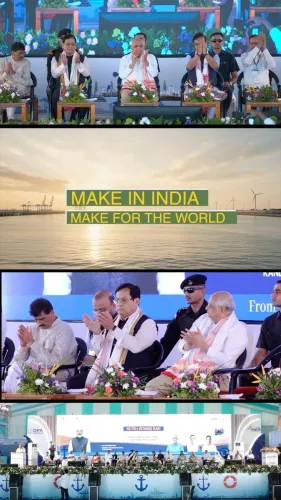
New Delhi, April 9 (NationPress) In a groundbreaking initiative aimed at decarbonizing the maritime industry, the Deendayal Port Authority, known as Kandla Port, has significantly enhanced its methanol bunkering capabilities, establishing itself as a pivotal contributor to India’s energy transition and the global push for green shipping corridors, as highlighted by a government announcement on Thursday.
This initiative aligns with the maritime sector's ambition to achieve net-zero emissions by 2050, focusing on the adoption of low-carbon alternative fuels like e-methanol and e-ammonia to minimize greenhouse gas emissions in shipping.
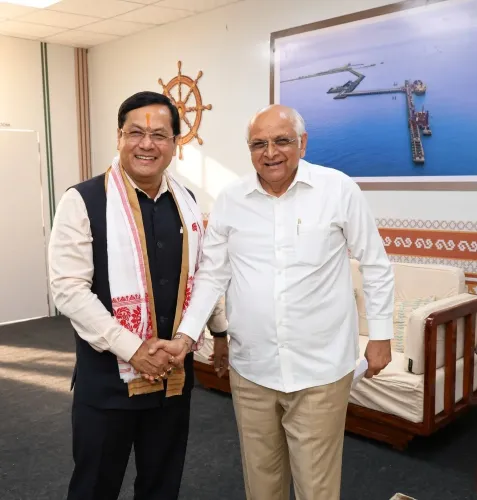
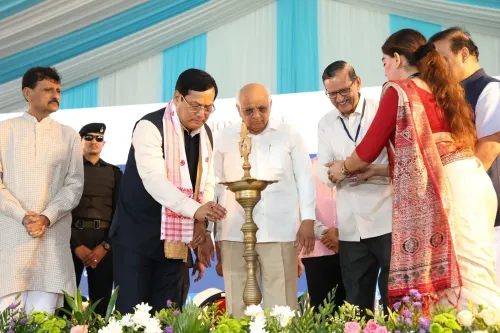
Union Minister of Ports, Shipping and Waterways, Sarbananda Sonowal, remarked: "This achievement at Kandla Port underscores India’s commitment to spearheading the global transition towards sustainable shipping. By adopting cleaner fuels like methanol and developing infrastructure that is ready for the future, we are synchronizing our maritime sector with international sustainability objectives while boosting efficiency and competitiveness. This is a significant stride in our journey to become one of the premier maritime nations globally."
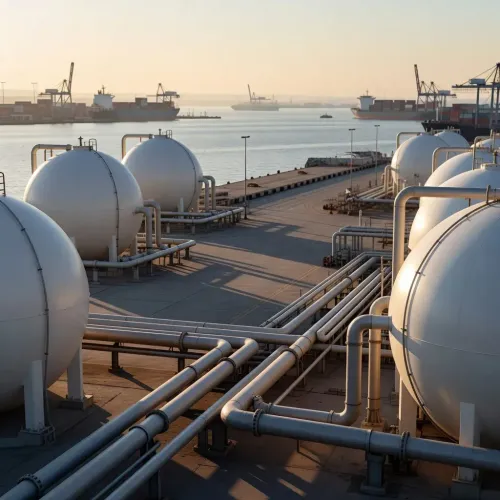
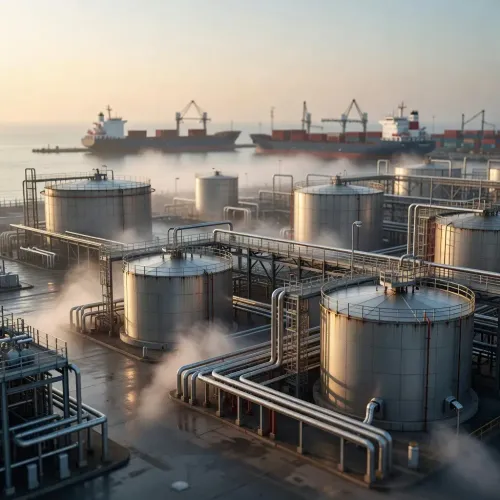
Situated on the western coast of India, Kandla Port has historically handled grey methanol as part of its cargo and already possesses the essential infrastructure, including tank storage, pipelines, and jetties. Building on this existing framework, the port is now actively working to develop specialized methanol bunkering facilities.
To evaluate its readiness, Kandla Port engaged DNV Maritime Advisory Services to assess its current infrastructure and the robustness of its regulatory and safety frameworks. Following this evaluation, the port achieved a Level 6 rating on the International Association of Ports and Harbours (IAPH) Port Readiness Level (PRL) scale for methanol bunkering.
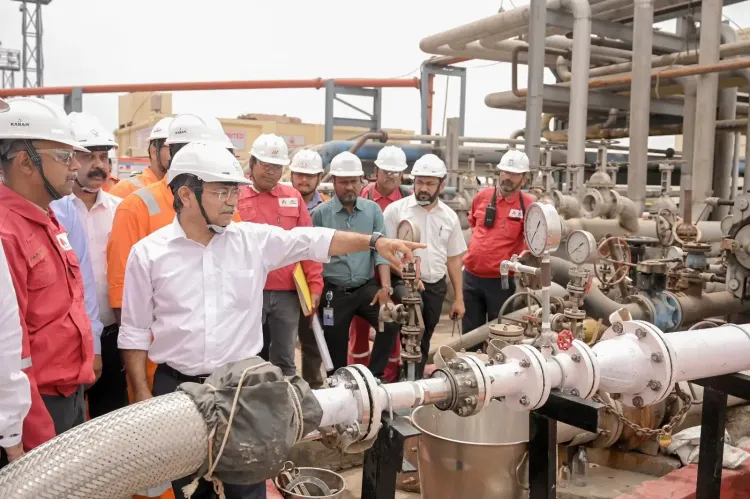
On April 2, Kandla Port successfully executed a trial shore-to-ship methanol fuelling operation to validate its infrastructure and operational protocols. This trial, conducted in partnership with industry stakeholders such as Stolt Tankers, J.M. Baxi, Aegis Vopak, Indian Oil Corporation Ltd., and the Deendayal Port Authority, confirmed the efficiency of key elements including bunker transfer processes, safety systems, and regulatory compliance. The DNV team conducted on-site verification, ensuring adherence to global best practices for methanol bunkering.
The port aims to ensure the availability of around 500 KTPA of Renewable Fuels of Non-Biological Origin (RFNBO) compliant e-methanol by 2028-29. This supply is anticipated to support deep-sea, dual-fuel vessels operating along the Asia-Europe trade routes, as noted in the statement.
Following the success of the shore-to-ship trial, Kandla Port is poised to initiate ship-to-ship methanol bunkering in the next phase, further enhancing its operational capabilities. The advancements at Kandla Port are crucial for positioning India as a central hub in emerging green shipping corridors, fostering a cleaner, more resilient, and future-ready maritime ecosystem, the statement emphasized.
Sonowal added: "Our ports are transitioning into centers of innovation and sustainability. Initiatives like methanol bunkering not only curtail emissions but also create new avenues for investment, technology partnerships, and job opportunities, reinforcing India’s substantial contribution to the evolving global maritime sector. This aligns with our goal of achieving net-zero emissions by 2050, a vision championed by Prime Minister Narendra Modi."
Point of View
It is evident that Kandla Port's advancements in methanol bunkering signify a transformative shift in India's maritime strategy. This aligns with global sustainability goals and positions the country as a frontrunner in the green shipping domain. The initiative presents both environmental benefits and economic opportunities, showcasing a national commitment to innovation and leadership in the maritime sector.
NationPress
10 Oct 2026
Frequently Asked Questions
What is methanol bunkering?
Methanol bunkering refers to the process of supplying ships with methanol as a fuel alternative, aimed at reducing greenhouse gas emissions in the maritime sector.
Why is Kandla Port important for methanol bunkering?
Kandla Port has the necessary infrastructure and is now developing specialized facilities for methanol bunkering, positioning it as a key player in India's green shipping efforts.
When does Kandla Port plan to have e-methanol available?
Kandla Port aims to provide approximately 500 KTPA of RFNBO-compliant e-methanol by 2028-29.
How does methanol contribute to reducing emissions?
Methanol serves as a low-carbon alternative fuel that can significantly lower greenhouse gas intensity in shipping operations.
What are the next steps for Kandla Port in methanol bunkering?
Kandla Port plans to initiate ship-to-ship methanol bunkering following the successful shore-to-ship trials, further enhancing its operational capabilities.