Could Attacks on Police Dogs and Horses Lead to Deportation Under New US House Bill?
Synopsis
A newly approved bill by the House Judiciary Committee could allow for the deportation of non-citizens who harm police dogs or horses. This legislation aims to bolster protections for law enforcement animals, but faces opposition from some lawmakers who argue it undermines due process rights. The bill now moves to the full House for further debate.
Key Takeaways
Bill aims to enhance protections for police animals.
Could lead to deportation of non-citizens harming these animals.
Republican lawmakers support the bill for closing legal gaps.
Opposition cites concerns over due process rights.
Legislation now heads to the full House for debate.
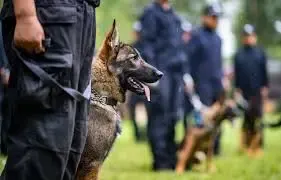
Washington, Jan 13 (NationPress) Non-citizens who inflict harm on police dogs or horses could face bans from entering the United States and potential deportation under a newly passed bill by the House Judiciary Committee. Advocates assert that this legislation will enhance protections for law enforcement animals.
The committee voted 18–12 to move forward with H.R. 4638, officially known as the Bill to Outlaw Wounding of Official Working Animals Act of 2025, and recommended that the House adopt the bill with certain amendments.
This proposed law aims to modify the Immigration and Nationality Act, specifying that harming animals utilized in law enforcement is grounds for both inadmissibility and deportation. This clause applies to any alien who is convicted of such actions or who admits to conduct aligning with the elements of the federal crime.
Republican lawmakers contend that this legislation seeks to fill existing gaps in immigration law and facilitate swifter action against offenders.
The bill specifically addresses dogs and horses employed by federal entities.
As noted by the Judiciary Committee, a notable incident occurred in June 2025 at Washington Dulles International Airport, where an Egyptian national kicked a Customs and Border Protection (CBP) beagle named Freddie after the dog alerted officials to prohibited food items in the traveler’s luggage.
The individual later pleaded guilty under federal law, covered veterinary expenses, and was expelled from the country.
Proponents argue that the bill will streamline the handling of similar cases by outlining the immigration ramifications of harming law enforcement animals.
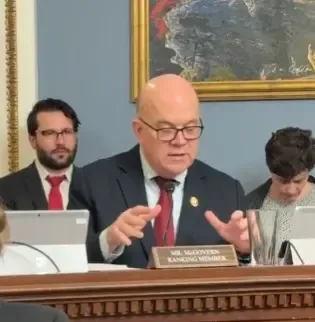
However, Democrats on the committee expressed strong opposition to the bill, filing dissenting opinions. Rep. Jamie Raskin of Maryland, the highest-ranking Democrat on the committee, stated that the bill is unnecessary since the conduct it addresses is already recognized as a federal crime, which carries immigration penalties following a conviction.
Raskin further claimed that the legislation overreaches by allowing deportation based on an admission of actions, even in the absence of an arrest, prosecution, or conviction. He cautioned that this could undermine due process rights and lead to removal without individuals having their day in court.
The dissenting views pointed out that immigration authorities already classify animal cruelty offenses as crimes involving moral turpitude upon conviction, referencing previous rulings by immigration appeals bodies.
Raskin highlighted that the incident at Dulles Airport demonstrated that the current criminal and immigration frameworks functioned as intended, with the offender prosecuted, convicted, and removed from the United States.
The committee reported that it had not yet received a cost estimate from the Congressional Budget Office when finalizing this report. It noted that the bill does not initiate new federal programs or authorize additional spending.
The legislation now advances to the full House, where it is anticipated to ignite discussions regarding immigration enforcement, public safety, and due process.
Point of View
I recognize the importance of safeguarding law enforcement animals while also upholding the principles of due process. This proposed legislation raises significant questions about the balance between public safety and individual rights, necessitating a thorough examination as it progresses through Congress.
NationPress
3 Oct 2026
Frequently Asked Questions
What does the bill entail?
The bill seeks to amend the Immigration and Nationality Act to bar non-citizens who harm police dogs or horses from entering the U.S. and allows for their deportation.
Who supports the bill?
The bill has garnered support from Republican lawmakers who believe it will strengthen protections for law enforcement animals and close gaps in immigration law.
What are the main concerns about the bill?
Critics, particularly Democrats, argue that the bill is unnecessary and could lead to deportations based on admissions of conduct, undermining due process rights.