SEMICON India 2026: PM Modi to inaugurate 5th edition on Sept 17
Synopsis
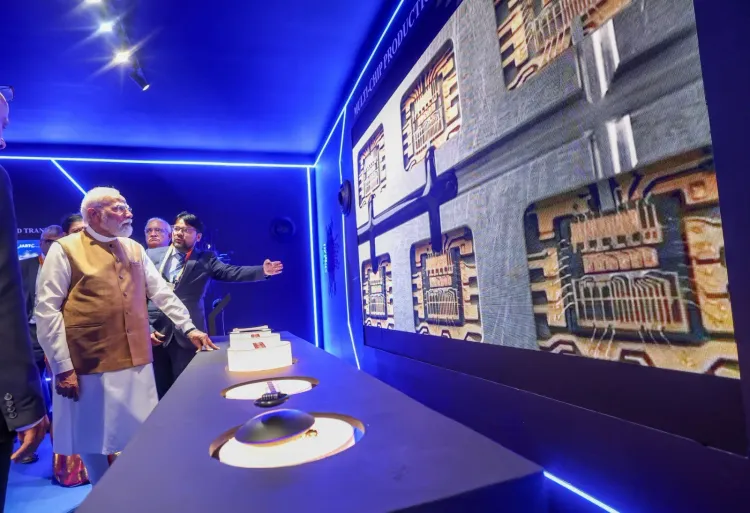
India's biggest semiconductor event returns on 17 September, with PM Modi set to inaugurate SEMICON India 2026 in New Delhi. Backed by the freshly approved Semicon 2.0 and three Semicon 1.0 projects already in commercial production, the fifth edition signals that India's chip ambitions are moving from policy to production.
Key Takeaways
PM Narendra Modi will inaugurate SEMICON India 2026 on 17 September in New Delhi .
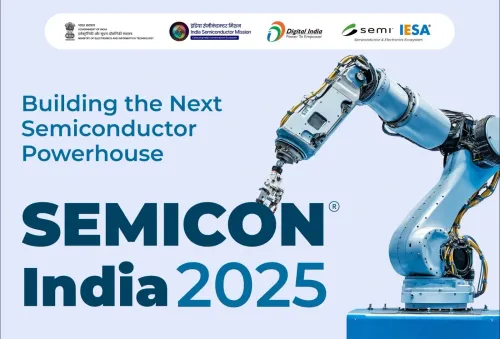
The three-day event runs from 17–19 September 2026 , themed 'Silicon to Systems: Building the Ecosystem' .
More than 500 exhibitors , including 240+ international companies from over 40 countries , are expected to participate.
The Centre has approved Semicon 2.0 with six major pillars to strengthen semiconductor manufacturing and supply chains.
Under Semicon 1.0 , 12 projects have been approved; 3 have already commenced commercial production.
24 start-ups approved under the Design Linked Incentive (DLI) scheme; advanced design tools extended to 332 academic institutions and 105 start-ups .
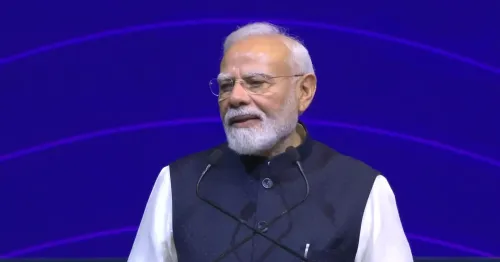
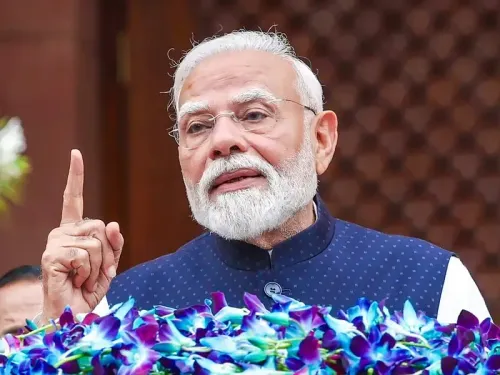
Prime Minister Narendra Modi will inaugurate the fifth edition of SEMICON India 2026 on 17 September in New Delhi, as the country pushes to accelerate the growth of its domestic semiconductor ecosystem. The announcement was made in an official statement on Tuesday, 18 August 2026.
Event Overview
The three-day conference and exhibition — themed 'Silicon to Systems: Building the Ecosystem' — will run from 17 to 19 September 2026. It is being jointly organised by the India Semiconductor Mission (ISM), operating under the Ministry of Electronics and Information Technology (MeitY), and global industry body SEMI.
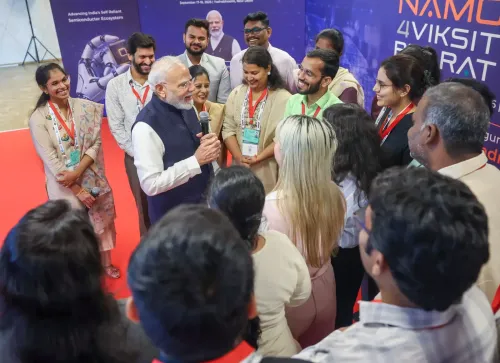
The event is expected to draw policymakers, global semiconductor companies, industry executives, researchers, academics, start-ups and students to deliberate on developments across the semiconductor and electronics value chain.
Scale and Participation
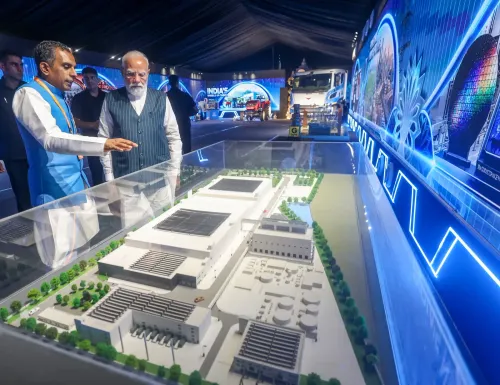
The exhibition is set to feature more than 500 exhibitors, including over 240 international companies, with delegations arriving from more than 40 countries. The event will also host six country pavilions, 10 state government pavilions, a start-up pavilion, innovation showcase, start-up pitch competition, student hackathon, and a workforce development pavilion.
India's Semiconductor Momentum
The Centre recently approved Semicon 2.0, a follow-on programme designed to strengthen the country's semiconductor manufacturing and supply-chain capabilities. Under the earlier Semicon 1.0, 12 projects have been approved to build a domestic semiconductor ecosystem — and notably, three of those 12 projects have already commenced commercial production, according to S. Krishnan, Secretary of MeitY.
'The announcement of Semicon 2.0 with six major pillars further strengthens India's commitment to build a robust and resilient semiconductor ecosystem,' Krishnan said.
The government is also supporting semiconductor research, innovation and design by providing access to advanced design tools for more than 332 academic institutions and 105 start-ups. Additionally, 24 start-ups have been approved under the Design Linked Incentive (DLI) scheme.
Industry Voices
Ajit Manocha, President and Chief Executive Officer of SEMI, said India is well positioned to expand its role in the global semiconductor industry, citing the country's talent pool, policy support and long-term vision.
Ashok Chandak, President of SEMI India and IESA, described the event as a reflection of India's efforts to build a comprehensive semiconductor value chain, calling it a key platform for collaboration among industry leaders, policymakers, investors and researchers.
What's Next
With Semicon 2.0's six-pillar framework now in place and three Semicon 1.0 projects already in commercial production, SEMICON India 2026 arrives at what officials describe as a pivotal moment in the country's semiconductor journey. The outcomes of the September event — particularly announcements from international delegations — will signal how seriously global chipmakers view India as a manufacturing and design destination.
Point of View
Not a promise. Yet the harder question is whether Semicon 2.0's six pillars are structured to avoid the execution gaps that have plagued India's earlier electronics manufacturing pushes. Global chipmakers are watching India alongside Vietnam, Mexico and Poland, all of which are aggressively courting the same supply-chain diversification wave. India's edge is its design talent and domestic market scale; its persistent weakness is infrastructure and regulatory predictability. SEMICON India 2026 must convert diplomatic participation from 40 countries into binding investment commitments — otherwise, it risks being a well-attended conference that moves the needle less than the headline numbers suggest.
NationPress
3 Oct 2026
Frequently Asked Questions
What is SEMICON India 2026 and when will it be held?
SEMICON India 2026 is the fifth edition of India's flagship semiconductor conference and exhibition, scheduled from 17 to 19 September 2026 in New Delhi. It is jointly organised by the India Semiconductor Mission (ISM) under MeitY and global industry body SEMI, themed 'Silicon to Systems: Building the Ecosystem'.
Why is PM Modi inaugurating SEMICON India 2026?
PM Modi's inauguration underscores the Centre's strategic priority on building a domestic semiconductor ecosystem. The event coincides with the rollout of Semicon 2.0 and marks a stage where three Semicon 1.0 projects have already moved into commercial production.
What is Semicon 2.0 and how does it differ from Semicon 1.0?
Semicon 2.0 is the Centre's follow-on semiconductor programme, recently approved to strengthen manufacturing and supply-chain capabilities through six major pillars. Semicon 1.0 focused on approving 12 foundational projects to establish a domestic ecosystem, of which three have commenced commercial production.
Who will participate in SEMICON India 2026?
The event expects more than 500 exhibitors, including over 240 international companies, with delegations from more than 40 countries. Participants will include policymakers, global semiconductor firms, researchers, academics, start-ups and students.
How is India supporting semiconductor start-ups and research institutions?
The government is providing access to advanced design tools to more than 332 academic institutions and 105 start-ups. Additionally, 24 start-ups have been approved under the Design Linked Incentive (DLI) scheme to encourage domestic chip design capabilities.