SEMICON India 2026: Modi flags 7.8% growth, chip push and global trust
Synopsis
At SEMICON India 2026, Modi declared that 'India's chips will go out to the world' — backed by 7.8% quarterly growth, a sovereign rating upgrade, and the BRICS New Delhi Declaration. Semicon 2.0 now targets 200 chip-design startups, having already trained 70,000 engineers in four years against a 10-year target — a talent sprint that signals India is accelerating, not just aspiring.
Key Takeaways
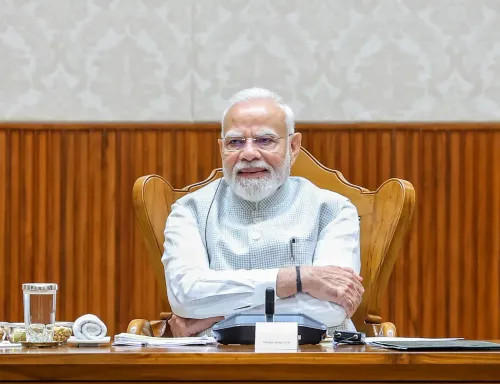
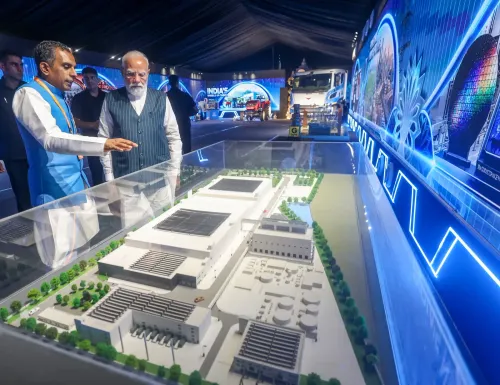
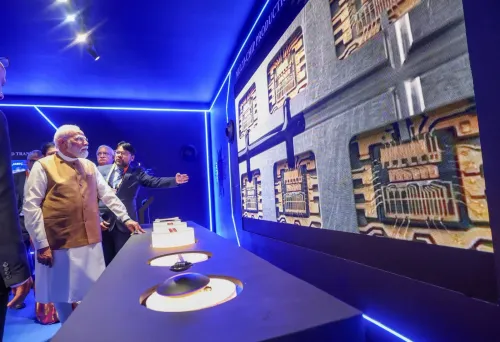
PM Narendra Modi inaugurated SEMICON India 2026 in New Delhi on 17 September 2026 .
India recorded 7.8 per cent economic growth in the latest quarter despite global headwinds.
Semicon 2.0 is built on six pillars and aims to support at least 200 chip-design startups .
More than 105 startups participated in phase one; approximately 20 raised around ₹800 crore in VC funding.
India trained 70,000 design engineers in 4 years against a 10-year target of 85,000 ; over 400 universities now have EDA tool access.
Modi cited a sovereign rating upgrade and the BRICS New Delhi Declaration as signals of rising global confidence in India.
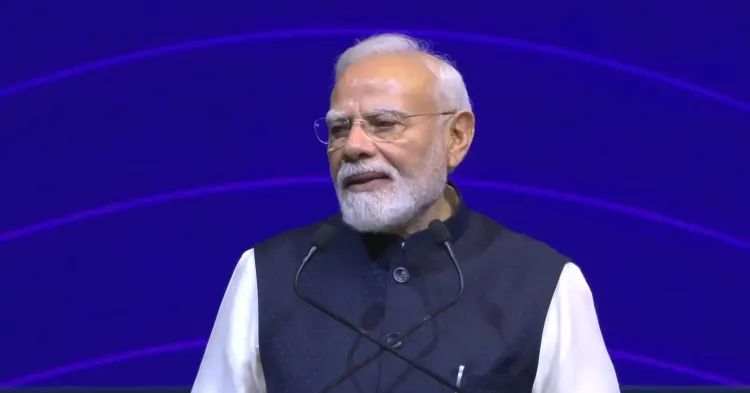
Prime Minister Narendra Modi on Thursday, 17 September 2026 inaugurated SEMICON India 2026 in New Delhi, declaring that India's accelerating economic momentum and rising international confidence were visible across the semiconductor, fintech, and logistics sectors. Modi cited 7.8 per cent economic growth in the latest quarter — achieved, he stressed, despite a challenging global environment.
Key Developments at SEMICON India 2026
Speaking at the flagship semiconductor conclave, Modi pointed to a cluster of milestones from the preceding 15 days as proof of India's broadening economic stride. These included the Global FinTech Fest in Mumbai, where conversations centred on inclusive finance powered by agentic AI, tokenisation, and quantum technology, and the operationalisation of approximately 3,000 km of dedicated freight corridors.
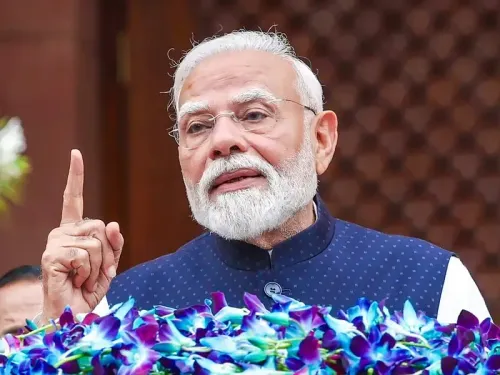
On chips specifically, Modi declared that 'India's chips will go out to the world' — signalling confidence that the country's semiconductor industry is moving from aspiration to commercial reality. The freight corridor milestone, he added, would sharpen logistics efficiency and give fresh impetus to the broader manufacturing ecosystem.
Semicon 2.0: Six Pillars, 200 Startups
Union Electronics and Information Technology Minister Ashwini Vaishnaw laid out the architecture of Semicon 2.0, describing a strategy built on six pillars: chip design, machines and materials, fabrication plants (fabs), advanced packaging, research and development, and talent development.
Vaishnaw said more than 105 startups had participated in the first phase of the semiconductor programme, with roughly 20 securing venture capital funding totalling approximately ₹800 crore. Under Semicon 2.0, the government aims to back at least 200 chip-design startups and companies.
On talent, Vaishnaw noted that India had trained 70,000 design engineers in four years — against an initial 10-year target of 85,000. More than 400 universities across the country now have access to electronic design automation (EDA) tools, he said.
Global Confidence Signals: Ratings and BRICS
Modi also cited a sovereign rating upgrade for India by a credit rating agency, describing it as a reflection of growing international trust in the Indian economy. He further referenced the recently concluded BRICS Summit hosted by India, noting that the adoption of the New Delhi Declaration by consensus was another indicator of India's rising global stature.
This comes amid a broader government push to position India as a reliable alternative in global supply chains — a narrative that semiconductors, with their strategic and economic weight, sit squarely at the centre of.
What This Means for India's Chip Ambitions
India's semiconductor push is entering its second, more execution-intensive phase. The first round of the programme surfaced startup activity and early private capital, but the critical tests — commercial-scale fabs, global design-house partnerships, and export-quality packaging — lie ahead. With Semicon 2.0's expanded startup target and deepening university infrastructure, the government is betting that a talent-first strategy can anchor India's place in the global chip value chain.
The next major milestone will be whether the 200 chip-design startups under Semicon 2.0 can attract the scale of institutional investment needed to transition from lab to market.
Point of View
Freight corridors, fintech, and a BRICS declaration as a single coherent story of global trust. The talent numbers are genuinely impressive: 70,000 engineers in four years against a 10-year target is a real policy execution win. But Semicon 2.0's ambitions hinge on whether design startups can attract global fabless partnerships and whether India's as-yet-limited fab infrastructure can scale. A sovereign rating upgrade and a consensus BRICS declaration signal momentum, but in semiconductors, credibility is ultimately built in the fab and the export order book — neither of which India has yet demonstrated at commercial scale.
NationPress
17 Sept 2026
Frequently Asked Questions
What is SEMICON India 2026?
SEMICON India 2026 is India's flagship semiconductor industry conclave, inaugurated by Prime Minister Narendra Modi in New Delhi on 17 September 2026. It served as the launch platform for Semicon 2.0, the government's next-phase semiconductor ecosystem strategy.
What is Semicon 2.0 and what are its six pillars?
Semicon 2.0 is the government's expanded semiconductor programme targeting at least 200 chip-design startups and companies. It is structured around six pillars: chip design, machines and materials, fabs, advanced packaging, research and development, and talent.
How many semiconductor startups and engineers has India produced so far?
More than 105 startups participated in the first phase of the semiconductor programme, with around 20 securing venture capital funding of approximately ₹800 crore. India also trained 70,000 design engineers in four years, well ahead of the original 10-year target of 85,000.
Why did PM Modi mention the BRICS Summit and a sovereign rating upgrade at a semiconductor event?
Modi used both milestones to reinforce a broader narrative: that rising global confidence in India — whether from credit rating agencies or multilateral diplomacy — creates the trust environment necessary for foreign semiconductor investment and supply-chain integration.
What is India's economic growth rate as cited at SEMICON India 2026?
PM Modi cited 7.8 per cent economic growth in India's latest quarter, highlighting it as evidence of resilience despite a challenging global environment and as a foundation for the country's semiconductor ambitions.