PM Modi inaugurates SEMICON India 2026: 600 exhibitors, global chip push
Synopsis
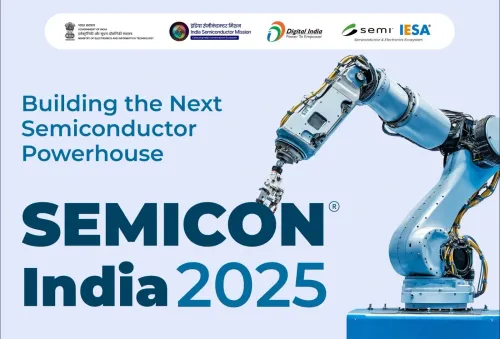
SEMICON India's fifth edition is no longer a showcase — it's a strategic pivot point. With 600-plus exhibitors, a dozen state pavilions, global chip giants at a CEO roundtable, and a 'Sand to Silicon to Systems' experience anchoring the floor, India is signalling that its semiconductor ambitions have moved from policy paper to execution phase. The question is how quickly fabs follow the fanfare.
Key Takeaways
PM Modi inaugurated the fifth edition of SEMICON India 2026 on 17 September 2026 at Yashobhoomi, New Delhi .
The event runs through 19 September and features more than 600 exhibitors , including around 300 international companies , across 15,000 sq metres of exhibition space.
More than 150 speakers will cover semiconductor manufacturing, AI, supply-chain resilience, and advanced packaging over three days.
A new 'Sand to Silicon to Systems' Value Chain Experience offers visitors an end-to-end view of the chip ecosystem.
Modi held a pre-inauguration CEO roundtable with executives from Micron, ASML, Intel, Tata Electronics, Foxconn, IBM Research and others, calling for deeper collaboration on skilling and AI.
The event is jointly organised by the India Semiconductor Mission (ISM) , MeitY , and global body SEMI .
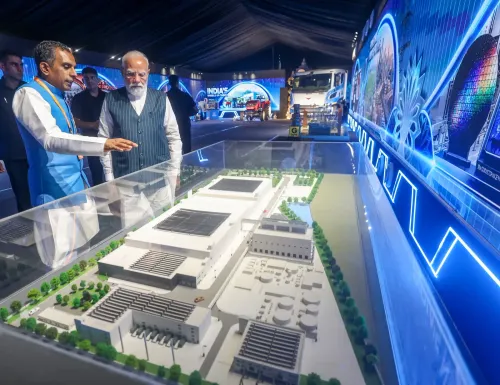
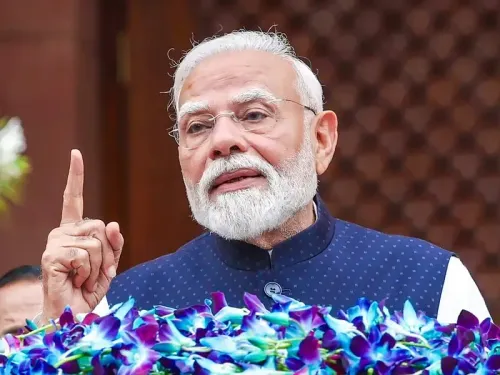
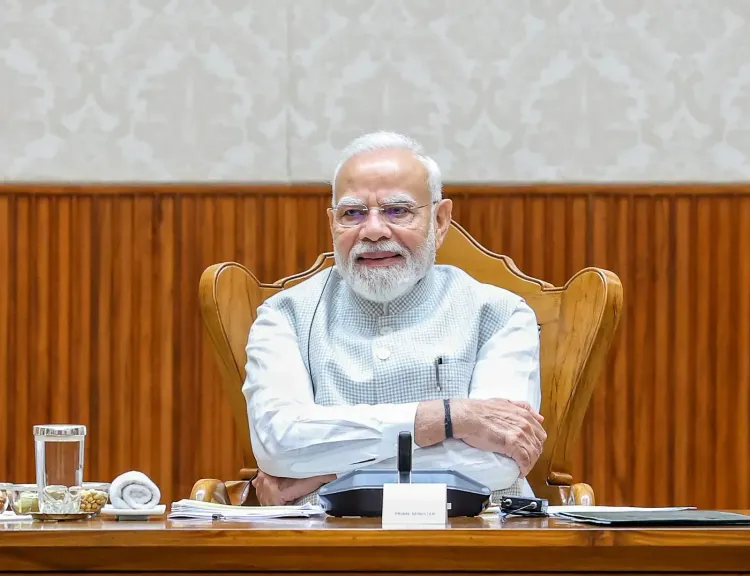
Prime Minister Narendra Modi on Thursday, 18 September 2026 inaugurated the fifth edition of SEMICON India 2026 at Yashobhoomi in New Delhi, marking a significant moment in the country's accelerating push to build a world-class semiconductor and electronics ecosystem. The three-day event runs through Saturday, 19 September.
Scale and Scope of the Event
SEMICON India 2026 is jointly organised by the India Semiconductor Mission (ISM), the Ministry of Electronics and Information Technology (MeitY), and SEMI, the global industry association for the semiconductor and electronics design and manufacturing ecosystem. The exhibition spans 15,000 square metres and features more than 600 exhibitors, of which around 300 are international companies.
More than 150 speakers are slated to take part in discussions on semiconductor manufacturing, artificial intelligence, supply-chain resilience, advanced packaging, chip design, and talent development. The event is themed 'Silicon to Systems: Building the Ecosystem', reflecting India's ambition to move beyond chip assembly toward integrated design and manufacturing.
Key Attractions and Pavilions
Six country pavilions and 12 state government pavilions form a major part of the exhibition floor. A dedicated Startup Pavilion will showcase around 40 start-ups, while the Workforce Development Pavilion will spotlight talent, skills, and career pathways in microelectronics — a direct response to the industry's growing demand for trained professionals.
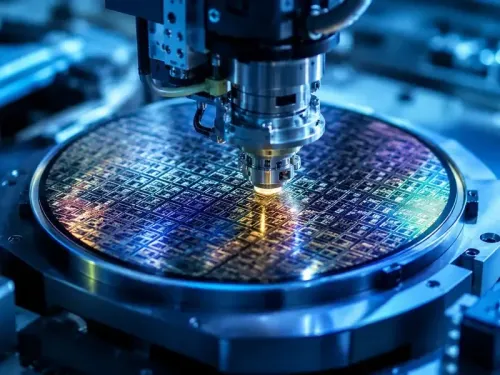
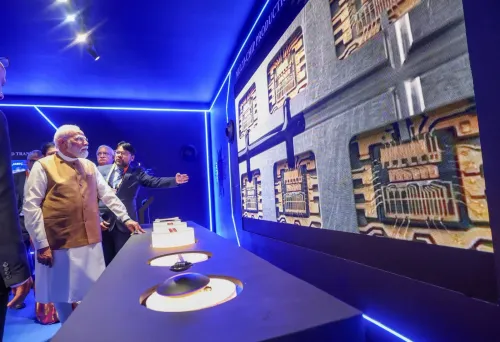
A flagship addition this year is the 'Sand to Silicon to Systems' Value Chain Experience, offering an integrated walkthrough of the semiconductor supply chain — from raw materials and manufacturing to advanced packaging, chip design, and finished electronics systems. The event will also host a startup pitch competition, student hackathon, and innovation showcase.
Modi's Push at CEO Roundtable
On the eve of the inauguration, Prime Minister Modi convened a high-level roundtable with leading global CEOs, urging them to participate in the next phase of India's semiconductor expansion. According to a statement from the Prime Minister's Office, Modi stressed the importance of close government-industry collaboration in shaping India's technology future.
He highlighted India's talent pool, infrastructure, and technology adoption as core strengths, and called for greater industry engagement in skilling, innovation, and emerging technologies such as AI and Quantum Computing. Referring to a target of training one crore people in AI, he said India's human capital — combined with the expertise of global leaders — could unlock transformative opportunities.
The roundtable was attended by senior executives and representatives from SEMI, Micron, Infineon, Applied Materials, ASML, Merck, Tokyo Electron Ltd, Fujifilm, AMD, Intel, Tata Electronics, Lam Research, Rapidus, NXP, Foxconn, Semi Conductor Devices, Advantest, Celesta Capital, CG Power, and IBM Research, among others.
Why This Moment Matters for India
SEMICON India 2026 arrives at what organisers describe as a pivotal juncture, with global semiconductor supply chains under pressure to diversify away from a small cluster of geographies. India's policy push — anchored by the ISM and substantial government incentives — has already attracted committed investments from Micron and the Tata Group, among others. The challenge now is to move from announced projects to operational fabs and a self-sustaining design-to-packaging ecosystem.
This is the fifth consecutive edition of the summit, underscoring the event's rapid evolution from an aspirational platform to a deal-making and policy-signalling forum. With the global chip industry recalibrating supply chains, India's window to establish itself as a credible alternative hub remains open — but time-sensitive.
What Comes Next
The conference programme through 19 September will feature strategic sessions on semiconductor manufacturing, AI integration, and research and development pipelines. Industry observers will watch closely for any fresh investment announcements or policy signals that could follow the momentum of the CEO roundtable and the Prime Minister's inauguration address.
Point of View
SEMICON India has evolved from diplomatic optics to a genuine deal floor — but India's semiconductor story still lives more in announcements than in operational silicon. The CEO roundtable format is smart statecraft: it binds global players publicly to India's trajectory and raises the reputational cost of walking away. Yet the country's first back-end facility is only now nearing production, and front-end fabs remain years from output. The real metric to watch is not exhibitor count but how many of the firms in those 15,000 square metres file an ISM application before the next edition.
NationPress
17 Sept 2026
Frequently Asked Questions
What is SEMICON India 2026?
SEMICON India 2026 is the fifth annual semiconductor and electronics industry summit, inaugurated by Prime Minister Narendra Modi on 17 September 2026 at Yashobhoomi in New Delhi. It is jointly organised by the India Semiconductor Mission, MeitY, and SEMI, and runs through 19 September.
How big is SEMICON India 2026?
The event spans 15,000 square metres and features more than 600 exhibitors, including around 300 international companies. Over 150 speakers are expected, alongside six country pavilions and 12 state government pavilions.
What did PM Modi say at the CEO roundtable ahead of SEMICON India 2026?
Modi urged top global semiconductor CEOs to participate in India's next phase of chip sector growth, emphasising the importance of government-industry collaboration. He called for greater industry engagement in skilling, AI, and Quantum Computing, and referenced a target of training one crore people in AI.
Which global companies attended the PM's semiconductor CEO roundtable?
Senior executives from Micron, ASML, Intel, Applied Materials, Infineon, Foxconn, Tata Electronics, IBM Research, Tokyo Electron Ltd, AMD, Lam Research, NXP, Fujifilm, and others were present at the roundtable convened by PM Modi on the eve of the inauguration.
What is the theme of SEMICON India 2026 and why does it matter?
The theme is 'Silicon to Systems: Building the Ecosystem', reflecting India's ambition to build an end-to-end semiconductor value chain — not just assembly. It signals a policy shift toward integrated chip design, manufacturing, and advanced packaging as global supply chains seek alternatives to existing hubs.