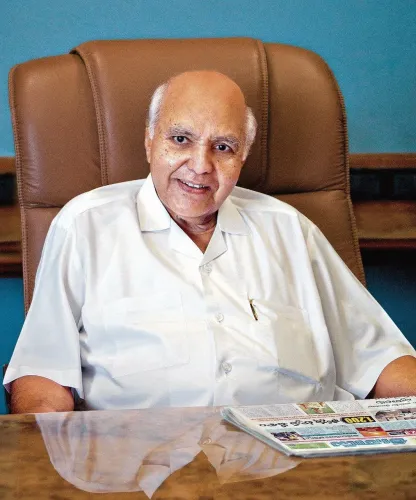
Amit Shah pays tribute to Ramoji Rao's film city legacy

Synopsis
Union Home Minister Amit Shah honoured media magnate Ramoji Rao on November 16, 2026, praising his role in creating Ramoji Film City — the world's largest film studio — and transforming regional cinema infrastructure in India.
Key Takeaways
Amit Shah posted a tribute on November 16, 2026 honouring Ramoji Rao , founder of the Eenadu media group.
Shah credited Ramoji Rao with giving regional cinema 'a world-class filmmaking destination.' Ramoji Film City , opened in 1996 near Hyderabad , is the world's largest film studio complex spanning roughly 2,000 acres .
The studio shifted significant Telugu film production infrastructure away from Mumbai and to Hyderabad.
Ramoji Rao's Eenadu media group spans print, television, and entertainment, making him one of Telugu media's most influential figures.
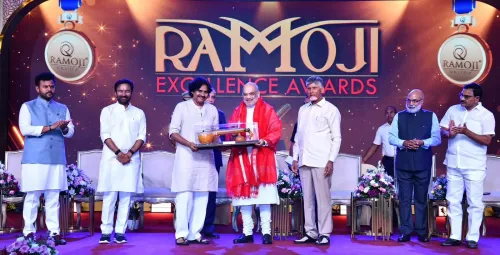
When a media visionary builds the world's largest film studio from scratch in a city that wasn't even on cinema's map, the ripples last decades. Union Home Minister Amit Shah on Monday, November 16, 2026, paid tribute to Ramoji Rao — founder of the Eenadu media group — crediting him with giving regional cinema 'a world-class filmmaking destination.'
From a Hyderabad hillside to the world record books
Ramoji Film City, opened in 1996 on the outskirts of Hyderabad, is certified by the Guinness World Records as the world's largest film studio complex. Spread across roughly 2,000 acres, it brought together sets, post-production suites, hotels, and outdoor locations under a single roof — an infrastructure leap that transformed what a regional filmmaker could conceive and shoot without leaving the city.
Before Ramoji Film City, Telugu productions routinely travelled to Mumbai or built makeshift sets. Ramoji Rao's gamble on a vertically integrated studio campus pulled that production gravity southward and kept it there. The facility went on to host Hindi, Tamil, Malayalam, and even international productions, validating his instinct that world-class infrastructure would attract world-class work.
The Eenadu empire behind the studio dream
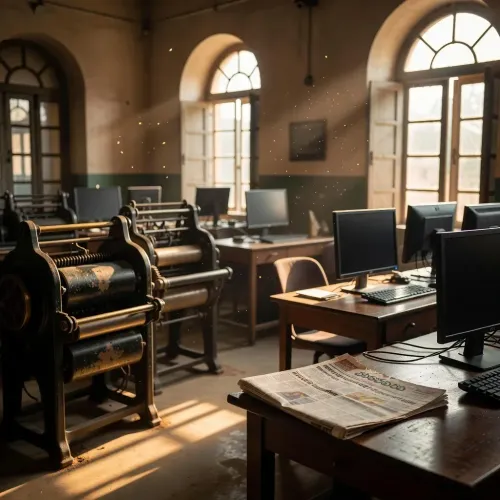
Ramoji Rao built his influence well before the first camera rolled at the Film City. His Eenadu newspaper, launched in the 1970s, became one of the most widely read Telugu-language dailies, and the broader Eenadu group expanded into television and entertainment. The Film City was, in many ways, the physical expression of a media philosophy — that Telugu audiences deserved infrastructure as ambitious as the stories being told for them.
Shah's one-line tribute — precise in its framing — lands the credit squarely on the infrastructure argument: not just that Ramoji Rao made great content, but that he created the destination that made great content possible for others.
Point of View
Where Ramoji Rao's Eenadu network commands deep readership and viewership loyalty. Such gestures by senior BJP leaders in culturally influential spaces are rarely accidental.
NationPress
17 Nov 2026
Frequently Asked Questions
Why did Amit Shah pay tribute to Ramoji Rao?
Union Home Minister Amit Shah praised Ramoji Rao for creating Ramoji Film City, crediting him with giving regional cinema a world-class filmmaking destination and transforming production infrastructure for Telugu and other regional films.
What is Ramoji Film City and where is it located?
Ramoji Film City is a Guinness World Record-certified studio complex spanning roughly 2,000 acres on the outskirts of Hyderabad, Telangana. It opened in 1996 and hosts Telugu, Hindi, Tamil, and international film productions.
What is the Eenadu media group?
Eenadu is a major Telugu-language media conglomerate founded by Ramoji Rao in the 1970s, encompassing one of India's most-read Telugu newspapers and a wide television and entertainment network.
How did Ramoji Film City change Telugu cinema?
Before Ramoji Film City, Telugu productions often relied on Mumbai studios or makeshift sets. The complex pulled production infrastructure to Hyderabad and provided sets, post-production, and location facilities under one roof, raising the scale of what regional filmmakers could achieve.