Republicans Introduce New Bills to Tighten Deportation Policies
Synopsis
In a significant move, the US Republican party has proposed two bills aimed at tightening deportation policies related to fraud and crimes against law enforcement animals. These bills seek to streamline the removal process for non-citizens accused of specific offenses, sparking a heated debate about immigration reform.
Key Takeaways
Two new bills proposed by US Republicans aim to tighten deportation rules.
The Deporting Fraudsters Act targets fraud against government programs.
The Bow Wow Act focuses on protection for law enforcement animals.
Republicans argue the changes are necessary to close legal loopholes.
Democrats express concerns over due process and the potential for abuse.
Washington, March 17 (NationPress) The Republican party in the United States has moved forward with two significant immigration reform bills aimed at strengthening deportation regulations related to fraud and offenses against law enforcement animals. These measures are designed to enhance enforcement protocols and broaden the criteria for deportation.
The House Rules Committee has paved the way for discussions on the Deporting Fraudsters Act of 2026 and the Bow Wow Act, both of which specifically address non-citizens accused of designated crimes.
As per the new proposals, undocumented immigrants found guilty of defrauding government programs or inflicting harm on law enforcement animals could be rendered inadmissible and subject to deportation. Notably, these bills eliminate the necessity for a criminal conviction in certain scenarios.
Republican supporters assert that these reforms are essential to close loopholes in existing laws. One representative emphasized, “If you are a guest in our nation and you defraud our country, you must leave and cannot return.”
Proponents contend that current laws often rely on a vague “moral turpitude” standard, which can lead to protracted legal battles. They argue that individuals who acknowledge fraud or other wrongdoing should not remain in the country while their cases linger in the judicial system.
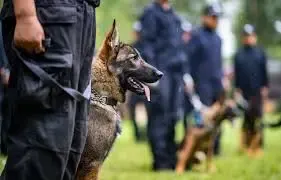
The Bow Wow Act is particularly focused on safeguarding animals utilized by federal agencies during enforcement activities. This includes trained dogs and horses that assist in border security, customs checks, and other law enforcement tasks. These animals play crucial roles in detecting contraband, tracking suspects, inspecting luggage, and patrolling challenging environments.
Republican lawmakers cited an incident involving a trained detection dog at Dulles International Airport that was attacked by a passenger after the dog alerted officers to undeclared items. They argued that such events highlight the necessity for more stringent repercussions.
“These animals are integral to maintaining safety in America,” one lawmaker stated, insisting that those who cause them harm should face deportation.
Conversely, Democrats have expressed strong opposition to the proposed bills, labeling them as unnecessary and flawed from a legal standpoint.
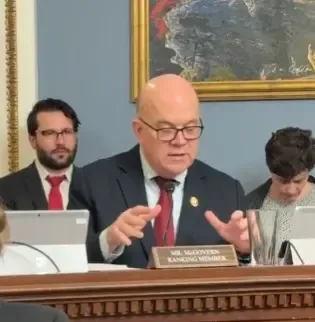
Ranking member Jim McGovern argued that these measures are part of a broader campaign to “demonize immigrants.” He pointed out that fraud and animal cruelty are already prosecutable offenses, which can lead to deportation following a conviction under current laws.
Democratic witnesses have also highlighted concerns that removing the conviction requirement could undermine due process. One witness remarked, “The two most beautiful words in the Constitution may be in the English language precisely because the government is not infallible.”
They noted that the existing legal framework allows for prompt action. In the case referenced by Republicans, the individual was “immediately arrested, pleaded guilty within a day, and was deported shortly thereafter,” according to a witness.
Opponents also cautioned that early deportation could hinder courts from administering penalties such as fines or restitution for victims. They argued that bypassing the judicial process could lead to diminished accountability.
Despite the backlash, Republicans assert that these bills would provide clarity and uniformity in immigration enforcement. They contend that delays caused by legal disputes over crime classification have allowed some individuals to remain in the country for extended durations.
The committee has approved a closed rule for debate, which restricts amendments as the legislation advances to the House floor.
Point of View
This development underscores a critical juncture in US immigration policy. The proposed legislation reflects a strong stance on enforcement that many Republicans believe is necessary to protect national integrity. However, the opposition raises valid concerns about due process and the potential for overreach in legal proceedings.
NationPress
22 Sept 2026
Frequently Asked Questions
What are the main features of the Deporting Fraudsters Act of 2026?
The Deporting Fraudsters Act of 2026 aims to tighten deportation rules for non-citizens found guilty of defrauding government programs, eliminating the need for a criminal conviction in certain cases.
What does the Bow Wow Act focus on?
The Bow Wow Act is designed to protect law enforcement animals, particularly those used by federal agencies, from harm and proposes stricter penalties for those who harm these animals.
How have Republicans justified these new bills?
Republicans argue that the bills are necessary to close gaps in current immigration law and to ensure that individuals who commit fraud or harm animals are swiftly deported.
What are the Democratic concerns regarding these bills?
Democrats criticize the bills as unnecessary and legally flawed, expressing concerns that they could undermine due process and lead to unjust deportations.
What is the current status of these proposed bills?
The bills have been cleared by the House Rules Committee and are set to be debated on the House floor.