Is Pakistan's Anti-Terrorism Court Verdict Against Journalists a Threat to Press Freedom?

Synopsis
The recent ruling by an anti-terrorism court in Pakistan sentencing eight journalists to life imprisonment raises critical questions about press freedom. As the nation grapples with dissent and political unrest, this verdict could have far-reaching implications for freedom of expression and international relations.
Key Takeaways
Eight journalists sentenced to life imprisonment by anti-terrorism court.
Ruling linked to online support for Imran Khan .
Concerns raised over press freedom and freedom of expression .
HRC warns against arbitrary detention of journalists.
Call for an independent investigation into journalist treatment.
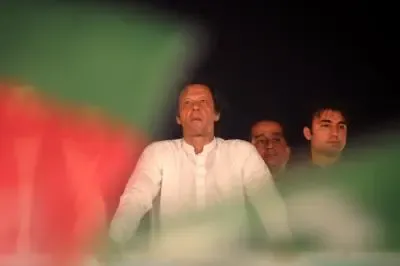
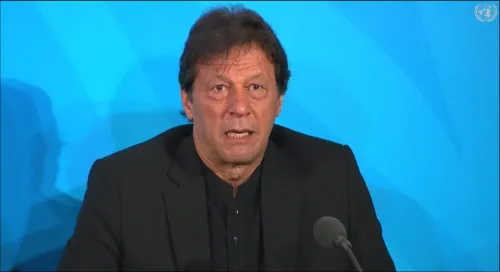
Islamabad, Jan 4 (NationPress) An anti-terrorism court in Pakistan has sentenced eight journalists and social media commentators to life imprisonment in absentia, convicting them of terrorism-related offences linked to online activities supporting former Prime Minister Imran Khan. This ruling has ignited serious concerns regarding press freedom and freedom of expression within the nation, according to reports.
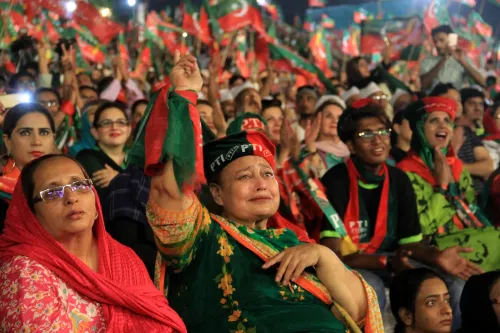
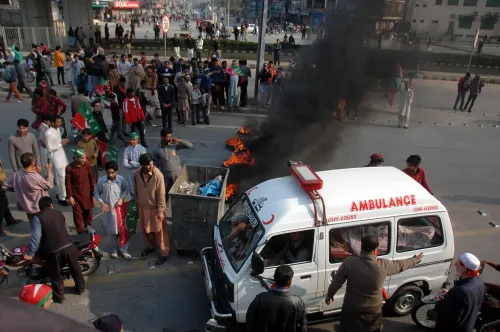
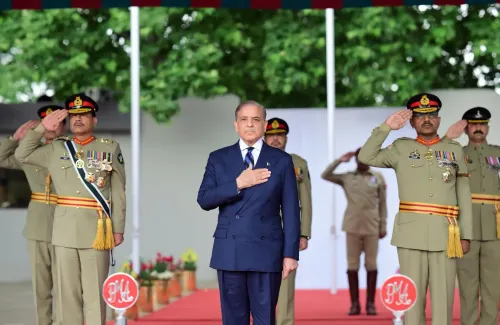
The case stems from protests that erupted following Imran Khan's arrest on May 9, 2023, when supporters of Pakistan Tehreek-e-Insaf (PTI) targeted military facilities, as reported by Modern Diplomacy. Authorities responded to these protests with a crackdown on PTI and other dissenting voices, leveraging anti-terrorism laws and military courts to prosecute hundreds accused of attacking state institutions.
According to Modern Diplomacy, the verdict raises alarming questions regarding press freedom and freedom of expression in Pakistan. Critics argue that employing anti-terrorism laws against journalists and commentators threatens to criminalize political discourse and online dissent. This ruling highlights the growing involvement of security courts in political matters and represents a broader decline in civil liberties following the unrest in May 2023.
This case is poised to further strain Pakistan's relationship with advocates for press freedom and may invite closer examination from the international community regarding the country's use of anti-terrorism laws against journalists.
In December last year, the Human Rights Council (HRC) of Pakistan expressed grave concerns over the ongoing arbitrary detention, enforced disappearances, and judicial harassment of Pakistani journalist Sohrab Barkat, indicating that the situation raises significant issues surrounding respect for press freedom, due process, and constitutional protections in the country.
Barkat, an Islamabad-based correspondent for the news outlet Siasat, was reportedly detained at Islamabad International Airport while en route to a United Nations conference on November 26.
The HRC mentioned that Barkat was unlawfully transferred to Lahore following his detention and was subsequently implicated in numerous cases, despite official filings to the Islamabad High Court asserting that no inquiries or charges were pending against him and that he was free to travel.
The organization stated, "The contradiction between court submissions and subsequent actions reflects a disturbing disregard for the rule of law."
The rights body highlighted that actions attributed to Barkat are solely connected to his professional activities as a journalist, which include conducting interviews, editing and publishing news, reporting on peaceful protests in Pakistan-occupied Kashmir, and covering political dissent and human rights issues. It emphasized that these actions fall firmly within the legitimate and protected sphere of journalism.
The HRC raised alarms regarding reports that Barkat was detained without due legal process, produced late before courts, repeatedly remanded without clear or sustainable charges, and denied sufficient access to his family and legal counsel.
It noted, "The emergence of successive cases at critical stages of the legal process appears aimed at obstructing bail and extending detention, further deepening concerns about the misuse of legal mechanisms."
The organization has called for Barkat's release, the dismissal of all fabricated and politically motivated charges against him, and an independent, transparent investigation into his abduction and treatment while in custody. Furthermore, it urged Pakistani authorities to cease the systematic targeting and intimidation of journalists and to uphold the country’s constitutional and international obligations.
Point of View
It is crucial to acknowledge the gravity of the situation surrounding press freedom and the rights of journalists in Pakistan. This ruling not only threatens the integrity of journalistic practice but also signifies a troubling trend towards the suppression of dissent. The nation must strive to uphold the principles of democracy and protect the voices that seek to inform the public.
NationPress
20 Sept 2026
Frequently Asked Questions
What was the verdict from the anti-terrorism court in Pakistan?
The anti-terrorism court sentenced eight journalists and social media commentators to life imprisonment in absentia for terrorism-linked offences related to their online support of former Prime Minister Imran Khan.
What sparked the protests leading to this ruling?
The protests were triggered by the arrest of Imran Khan on May 9, 2023, during which supporters targeted military installations.
How has the international community responded?
The ruling is expected to strain Pakistan's relations with press freedom advocates and could lead to increased scrutiny from the international community.
What are the concerns raised by the Human Rights Council of Pakistan?
The HRC expressed deep concern over the arbitrary detention and judicial harassment of journalist Sohrab Barkat, raising issues about due process and respect for press freedom.
What actions have been demanded regarding journalist Sohrab Barkat?
The HRC has called for Barkat's release, the withdrawal of politically motivated charges against him, and an independent investigation into his abduction.