Is Pakistan's Suppression of Press Freedom and Dissent Raising Global Concern?
Synopsis
A recent report exposes the alarming trend of press freedom suppression in Pakistan, highlighting the severe consequences faced by journalists and dissenters. With accusations of 'digital terrorism' and life sentences handed down in absentia, the situation raises critical questions about civil liberties and judicial independence in the nation.
Key Takeaways
Journalists in Pakistan face increasing repression.
Legitimate national security concerns are often conflated with silencing dissent.
Recent convictions highlight serious due process issues.
International organizations are advocating for reforms.
Crackdowns have broader implications for civil liberties.
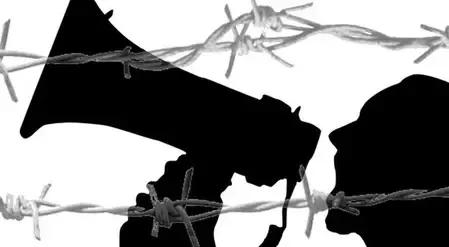
Athens, Feb 3 (NationPress) Journalists and media organizations in Pakistan have increasingly encountered severe pressures, including legal actions, threats, and restrictions on their reporting. Critics claim that the recurrent use of counterterrorism laws by Pakistani authorities in matters concerning speech and political discourse obscures the distinction between genuine national security and the suppression of dissent, as highlighted in a recent report.
The Greek City Times reported that the recent convictions of journalists, social media influencers, and former military personnel on allegations of “digital terrorism” occur against a backdrop of heightened scrutiny regarding press freedom and civic engagement in the country.
In early January 2026, an Anti-Terrorism Court (ATC) in Islamabad issued multiple life sentences to seven journalists, social media commentators, and ex-military officials, accusing them of “digital terrorism” related to their roles in the unrest that followed the arrest of former Prime Minister Imran Khan on May 9, 2023, the report detailed.
The convictions, which were handed down in absentia, sparked significant backlash from advocates for press freedom and human rights groups, amplifying concerns over due process, judicial independence, and the future of free expression in Pakistan.
According to the report, numerous international human rights organizations and press freedom advocates have expressed serious concerns, emphasizing that the legal proceedings raise critical questions regarding “due process, transparency, and fundamental rights” in Pakistan.
The report also noted that the International Human Rights Foundation (IHRF) has submitted a formal statement to United Nations mechanisms, voicing “serious concern” over the court proceedings in Pakistan, indicating that the accused were not adequately informed of the charges and were denied access to evidence or meaningful opportunities for defense.
The IHRF pointed out that such actions could undermine constitutional guarantees and Pakistan’s international obligations, including those under the International Covenant on Civil and Political Rights (ICCPR). Furthermore, these convictions occurred amidst broader constitutional changes in Pakistan that critics argue diminish judicial independence and shift power towards military authority.
Advocates for civil liberties, including the Committee to Protect Journalists (CPJ), have long cautioned that such cases in Pakistan may be aimed at penalizing critical journalism rather than addressing legitimate counterterrorism efforts.
CPJ’s Asia programme coordinator, Beh Lih Yi, previously urged Pakistani authorities to halt investigations and end what the organization terms as ‘relentless intimidation and censorship’ of the media.
Additionally, the report highlighted that beyond the life sentences, a broader crackdown following the May 2023 unrest has led to hundreds of criminal cases and arrests of political activists and dissenters under anti-terrorism laws or military-linked judicial processes.
Point of View
I believe that the issues surrounding press freedom in Pakistan are critical not only for the nation but for the global community. Upholding the rights of journalists and safeguarding dissent is essential for a functioning democracy. The situation requires our attention and we must advocate for reforms that strengthen judicial independence and protect civil liberties.
NationPress
2 Oct 2026
Frequently Asked Questions
What are the recent developments regarding press freedom in Pakistan?
Recent reports indicate a severe crackdown on press freedom in Pakistan, with journalists facing legal actions and threats. Convictions on charges of 'digital terrorism' have raised concerns about due process and civil liberties.
How have international organizations responded?
International human rights organizations have expressed serious concerns regarding the legal processes in Pakistan, emphasizing the need for transparency and adherence to fundamental rights.
What impact do these developments have on democracy in Pakistan?
The suppression of press freedom undermines democratic values, stifles dissent, and poses a significant threat to judicial independence in Pakistan.
Are there calls for reform in Pakistan?
Yes, advocates and organizations like the Committee to Protect Journalists have called for reforms to ensure the protection of journalists and uphold civil liberties.