Are Journalists in Pakistan Facing Increasing Risks Amidst Tightening Press Freedom?
Synopsis
The alarming rise in threats against journalists in Pakistan highlights a troubling trend in press freedom. Amidst legal restrictions and societal pressures, the safety of reporters is at stake, especially for women and those covering sensitive topics. Discover how these challenges are undermining the integrity of journalism in the country.
Key Takeaways
Journalists face increased threats under restrictive laws.
Women journalists endure additional intimidation online.
A complex legal framework limits journalistic freedom .
Self-censorship affects public discourse .
Regional disparities highlight inequality in press protections .
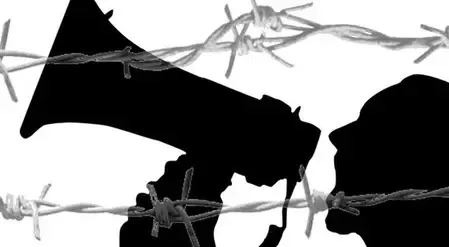
Islamabad, Jan 24 (NationPress) Journalists in Pakistan have faced escalating threats and intimidation in recent years due to the Prevention of Electronic Crimes Act related to their online reporting. They are also encountering criminal defamation lawsuits initiated by government officials or private individuals. Those reporting on protests, political movements, and sensitive regional topics are particularly vulnerable, facing risks that range from harassment to physical violence, according to a recent report.
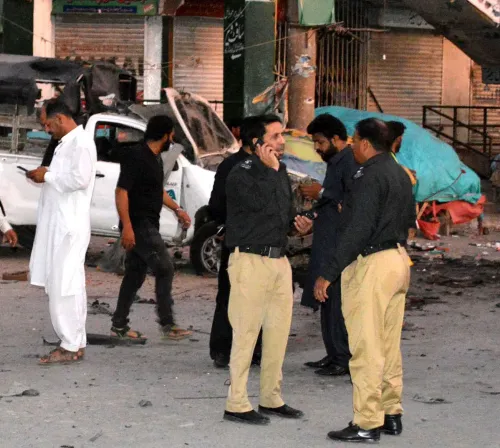
The report published in ‘Journalism Pakistan’ indicates that press clubs and journalist unions have documented numerous incidents of reporters being attacked while covering protests or briefly detained during security operations.
“These incidents frequently lack transparent investigations, fostering a sense of impunity,” the report highlighted.
Women journalists, in particular, have reported “additional forms of intimidation, especially online. Coordinated harassment, threats, and efforts to undermine their professional credibility are prevalent, especially for those covering politics, human rights, or religious issues. While digital abuse is a global concern, local journalists indicate that it is often exacerbated by polarized political rhetoric within Pakistan,” the report added.
The report emphasizes that press freedom in Pakistan operates under a restrictive framework influenced by legal controls, security pressures, economic coercion, and digital limitations. As of 2026, journalists continue to function in an environment where constitutional protections for free speech coexist with laws and practices that inhibit reporting on powerful entities, national security, and religious subjects.
“The legal landscape in Pakistan is extensive, including statutes on defamation, anti-terrorism provisions, blasphemy laws, and cybercrime regulations,” the report stated.
Due to legal, security, and economic constraints, self-censorship has become a pervasive practice in Pakistani newsrooms.
“Editors consistently weigh the potential ramifications of publishing specific stories against the public interest of the information. Decisions to moderate language, withhold names, or delay publication are commonly framed as necessary risk management,” the report emphasized.
“This climate has long-standing effects on public dialogue. When sensitive subjects receive limited or cautious coverage, audiences may resort to unverified sources or social media rumors. Journalists caution that ongoing self-censorship diminishes trust in professional media and restricts the space for fact-based discussions,” it noted.
The report also pointed out that conditions for press freedom vary significantly across Pakistan, with journalists in the provinces of Balochistan, Khyber Pakhtunkhwa, and certain parts of Sindh facing greater risks than their counterparts in major urban areas.
It further explained that these disparities are driven by limited access to legal resources, fewer media organizations, and increased security operations.
“Local reporters in remote districts often operate without formal contracts or institutional support, heightening their vulnerability. When incidents occur, national attention may be sparse, and accountability mechanisms can be sluggish or ineffective. These regional discrepancies underscore the unequal distribution of press protections throughout the nation,” the report concluded.
Point of View
I must emphasize the urgent need for the protection of journalists in Pakistan. The increasing intimidation and violence against reporters threaten not only their safety but also the essence of democracy and free expression. It is vital that we advocate for a more supportive environment for journalists, ensuring that they can perform their duties without fear of retribution.
NationPress
19 Sept 2026
Frequently Asked Questions
What is the current state of press freedom in Pakistan?
Press freedom in Pakistan is severely restricted, with journalists facing intimidation, legal challenges, and violence.
How are women journalists impacted by these challenges?
Women journalists experience heightened intimidation, including online harassment and threats aimed at undermining their credibility.
What legal frameworks affect journalism in Pakistan?
Journalists must navigate a complex legal landscape that includes defamation laws, anti-terrorism regulations, and cybercrime statutes.
What are the implications of self-censorship in newsrooms?
Self-censorship limits public discourse and can lead audiences to seek information from unverified sources.
How do regional disparities affect press freedom?
Journalists in remote provinces face more significant risks and fewer resources compared to those in urban centers.