Why is Pakistan Using Anti-Terror Laws Against Journalists?
Synopsis
A global rights organization has condemned the use of anti-terror laws against Pakistani journalists living abroad. The harsh sentences signify a worrying trend in judicial independence and freedom of expression in Pakistan. Urgent international attention is called for to protect those facing politically motivated persecution.
Key Takeaways
International condemnation of Pakistan's judicial actions against journalists.
Concerns over due process and judicial independence.
Implications for democratic governance in Pakistan.
Calls for international monitoring and support for persecuted journalists.
Potential impact of the 26th Constitutional Amendment on judicial accountability.
Islamabad, Jan 8 (NationPress) A prominent global human rights organization has criticized the convictions and harsh prison sentences handed down in absentia by an Anti-Terrorism Court (ATC) in Pakistan to a group of Pakistani journalists and political commentators living abroad.
This statement followed the ATC's ruling on January 2, which sentenced YouTuber Adil Raja, former military official Syed Akbar Hussain, and journalists Wajahat Saeed Khan, Sabir Shakir, Moeed Pirzada, Shaheen Sehbai, and Haider Mehdi to double life sentences in cases associated with “digital terrorism”.
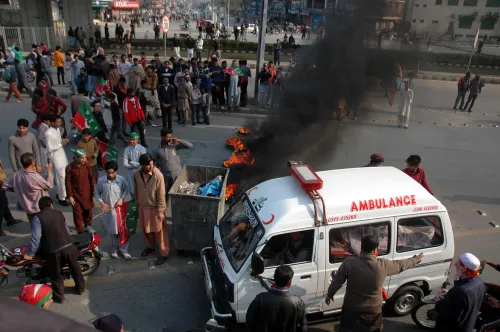
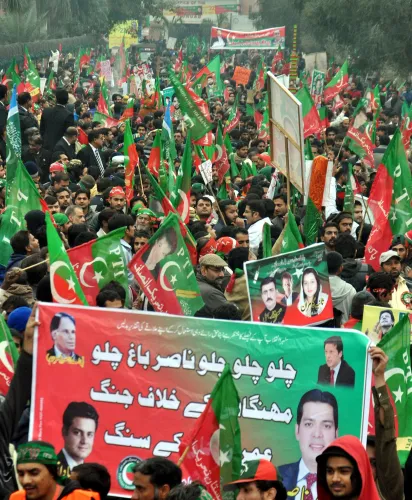
The charges are reportedly based on accusations that these individuals used online platforms to incite and facilitate attacks against state institutions amid the unrest on May 9, 2023, following the arrest of former Prime Minister Imran Khan.
The International Human Rights Foundation (IHRF) has expressed that those implicated by the Pakistani court were not informed of charges or proceedings, were denied access to evidence, and were not given a fair chance to defend themselves.
“Such actions create serious concerns regarding due process, judicial independence, and adherence to Pakistan's constitutional protections and international human rights obligations, including the International Covenant on Civil and Political Rights (ICCPR),” stated the IHRF.
The rights organization highlighted that the proceedings against the journalists and commentators occurred amid rising global concern over recent constitutional changes in Pakistan, which threaten to undermine democratic governance and fundamental freedoms.
The IHRF referenced remarks from UN High Commissioner for Human Rights, Volker Turk, who cautioned that Pakistan's hastily introduced 26th constitutional amendment significantly jeopardizes judicial independence and raises issues regarding military accountability and the rule of law.
Similarly, the International Commission of Jurists has labeled Pakistan's 26th Constitutional Amendment as a “blow to judicial independence and the rule of law,” highlighting its potential to increase political influence over judicial appointments.
The IHRF further noted that various media reports have pointed out additional constitutional measures that critics believe restrict the Pakistani Supreme Court's constitutional authority, while extending military power and immunity—developments that heighten concerns over institutional checks and balances.
The organization asserted that employing counterterrorism frameworks against journalists and dissenting voices—especially those in exile—reflects a broader and worrying pattern of judicial harassment and transnational repression.
“Legal proceedings conducted without transparency or basic procedural rights cannot be seen as legitimate adjudication and may be misused to intimidate critics beyond national borders,” it added.
The rights group urged the international community, including press freedom organizations and relevant UN entities, to closely monitor these events in Pakistan and intervene when necessary to safeguard journalists facing politically motivated persecution.
Point of View
We stand firmly in support of press freedom and the rights of journalists. The convictions of Pakistani journalists in absentia represent a troubling trend that threatens democratic values and accountability. It is crucial that we advocate for the protection of those who dare to speak truth to power.
NationPress
2 Oct 2026
Frequently Asked Questions
What sparked the convictions of journalists in Pakistan?
The convictions stemmed from accusations that the journalists incited and facilitated attacks against state institutions during the unrest following the arrest of former Prime Minister Imran Khan.
How did the international community respond?
The International Human Rights Foundation and other organizations have expressed grave concerns regarding judicial independence and due process in Pakistan.
What are the potential repercussions of these actions?
These convictions could undermine democratic governance and fundamental freedoms while setting a dangerous precedent for the treatment of dissenting voices.
What does the 26th Constitutional Amendment entail?
The amendment has been criticized for increasing political influence over judicial appointments and potentially undermining judicial independence.
What can be done to support affected journalists?
The international community is urged to closely monitor developments in Pakistan and advocate for the protection of journalists facing politically motivated persecution.