Press freedom in Pakistan under siege: lawfare, arrests, and online campaigns
Synopsis
Pakistan's press freedom crisis is deepening — from a citizen jailed for a satirical tweet to a journalist brought to court in handcuffs, and a human rights lawyer handed a 17-year sentence for tweets. A new report in Dawn exposes how Pakistan's own anti-cybercrime law, PECA, is being weaponised as an instrument of lawfare against journalists and ordinary citizens alike.
Key Takeaways
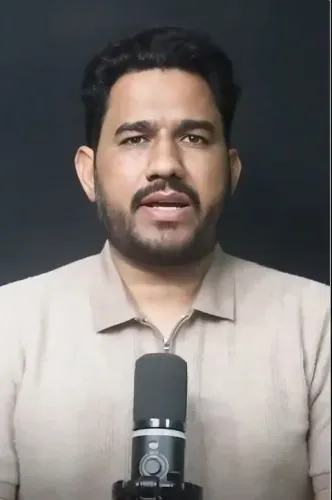
Usama Khilji of digital rights forum Bolo Bhi documented systematic press freedom violations in Pakistan in a report published in Dawn .
Journalist Fakhar-ur-Rehman , working for a Turkish news agency, was arrested and produced in court in handcuffs under Section 26-A of PECA on charges of sharing "false information".
Matiullah Jan lost his TV talk show hosting job following an online campaign after he invited foreign journalists to discuss press freedom at the National Press Club .
Human rights lawyers Imaan Mazari-Hazir and Hadi Ali Chattha were sentenced to 17 years for tweets on human rights and counterterrorism policy under PECA's "glorification of an offence" and "cyberterrorism" provisions.
A Protection of Journalists and Media Professionals Act (2021) commission established in November 2025 has failed to prevent ongoing firings, arrests, and disappearances of journalists.
Balochistan and Khyber Pakhtunkhwa provinces have been effectively cut off from Pakistan's mainstream media ecosystem.
Press freedom in Pakistan is under severe strain, with lawfare, enforced disappearances, online harassment campaigns, and financial coercion being deployed against journalists and citizens who voice opinions unfavourable to those in power, according to a recent report published in Dawn, Pakistan's leading English daily.
The analysis, authored by Usama Khilji, Director of digital rights advocacy forum Bolo Bhi, paints a troubling picture of a media environment where the state is increasingly using legislation as a weapon against free expression.
Social Media Empowers — and Invites Reprisals
Social media has emerged as a powerful platform for ordinary Pakistanis, enabling citizens to function as independent press outlets by participating in public discourse. However, Khilji notes that attacks on individual speech have risen in tandem with this democratisation of expression.
Point of View
And the 17-year sentences handed to lawyers for tweets signal that the judiciary is no longer a reliable check. The 2021 Protection of Journalists Act, which should have been a safeguard, has instead become a fig leaf — its commission formed, yet powerless. What is particularly telling is that humour itself is now a prosecutable offence, which suggests the Pakistani state is not merely managing dissent but attempting to eliminate its cultural expression entirely.
NationPress
14 Sept 2026
Frequently Asked Questions
What is the current state of press freedom in Pakistan?
Press freedom in Pakistan is facing severe challenges in 2025, with journalists and citizens subjected to lawfare, enforced disappearances, online harassment campaigns, and financial coercion. A report by Usama Khilji of Bolo Bhi, published in Dawn, documents multiple cases of arrests and job losses linked to critical expression.
What is PECA and how is it being used against journalists in Pakistan?
PECA stands for the Prevention of Electronic Crimes Act. Its Section 26-A, which criminalises sharing 'false information', is being used to arrest journalists and citizens — including journalist Fakhar-ur-Rehman, who was produced in court in handcuffs. Critics argue the law fails international proportionality and legality standards under Article 19 of the ICCPR, as 'false information' is left undefined.
Who is Matiullah Jan and why did he lose his job?
Matiullah Jan is a Pakistani journalist and TV talk show host who lost his position following an online campaign against him after he invited foreign journalists to the National Press Club for a discussion on press freedom in Pakistan. His case is cited as an example of coordinated online pressure being used to silence critical voices.
What happened to human rights lawyers Imaan Mazari-Hazir and Hadi Ali Chattha?
Human rights lawyers Imaan Mazari-Hazir and Hadi Ali Chattha were sentenced to 17 years under PECA's 'glorification of an offence' and 'cyberterrorism' provisions for tweets related to human rights, counterterrorism policy, and the Constitution. The case is widely cited as an example of the law being used to suppress legitimate legal and political commentary.
Has Pakistan taken any steps to protect journalists?
Pakistan enacted the Protection of Journalists and Media Professionals Act in 2021, and a commission under the act was established in November 2025. However, according to Khilji's report in Dawn, the commission has been unable to fulfil its protective mandate, as firings, arrests, and disappearances of journalists have continued since its formation.