Rijiju quotes PM Modi on sharing India's green energy wins with the world
Synopsis
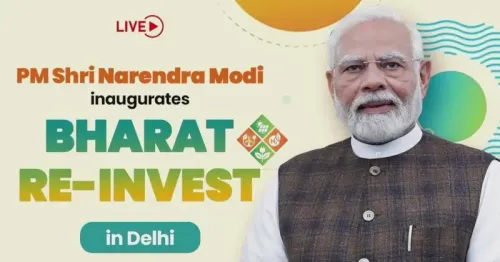
At the Bharat RE Summit 2026, PM Modi declared India's green energy innovations are a gift to all humanity. Minister Kiren Rijiju shared the remarks, reflecting India's strategy of positioning its renewable energy scale-up as a model for the developing world.
Key Takeaways
PM Modi, speaking at the Bharat RE Summit 2026 , said India's innovations and green energy successes should benefit all of humanity.
Union Minister Kiren Rijiju shared the Prime Minister's remarks on 2 November 2026 .
India co-founded the International Solar Alliance in 2015 to expand solar deployment in developing nations.
At COP26 (2021) , India pledged 500 GW non-fossil fuel capacity by 2030 and net-zero by 2070 .
India has framed its renewable energy achievements as a template for South-South cooperation, especially through its G20 presidency.
Formal technology-sharing or financing outcomes from the Bharat RE Summit 2026 are yet to be publicly detailed.
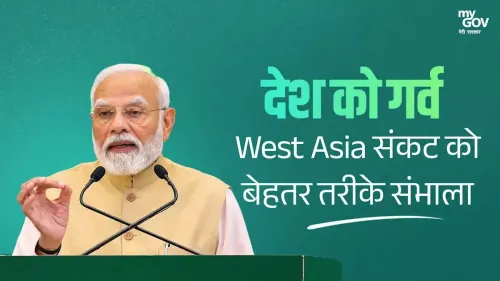
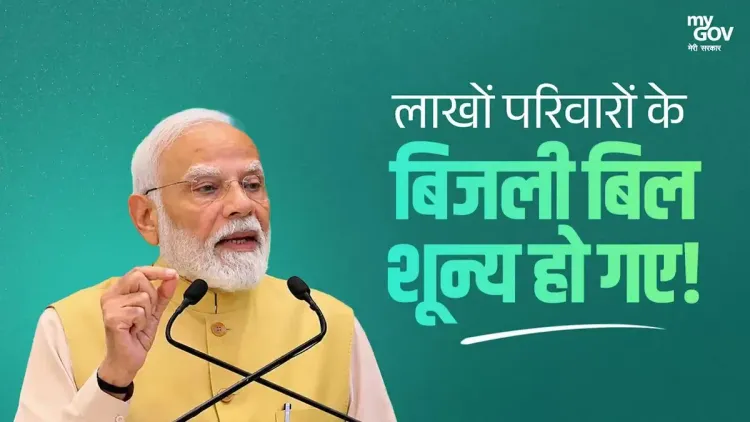
India's renewable energy ambitions belong not just to India — they belong to humanity. That was the message Prime Minister Narendra Modi delivered at the Bharat RE Summit 2026, as quoted by Union Parliamentary Affairs and Minority Affairs Minister Kiren Rijiju on Monday, 2 November 2026, underscoring New Delhi's intent to export its green-energy playbook to the developing world.
Sharing PM Modi's words in Hindi, Rijiju posted: 'भारत के इनोवेशन, भारत के अनुभव, हम चाहते हैं कि इसका लाभ पूरी मानवता को मिले।' — 'India's innovations, India's experiences — we want the entire human race to benefit from them. Our feeling about green energy is exactly the same. India's successes in this sector will be useful to many countries of the world.'From domestic milestone to global model
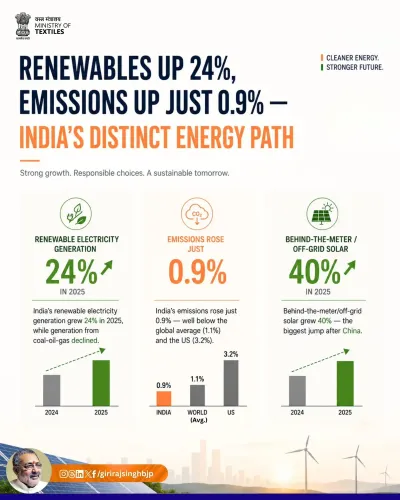
The statement is rooted in a decade of hard numbers. Since 2015, India co-anchored the International Solar Alliance with France, a coalition designed specifically to channel solar solutions toward sun-rich but capital-poor nations. By COP26 in 2021, Modi had placed a headline pledge on the table: 500 GW of non-fossil fuel capacity by 2030 and net-zero emissions by 2070. The Bharat RE Summit appears to be the latest stage on which India is converting those pledges into a diplomatic proposition.
The framing — India's wins as a public good — is not accidental. It mirrors the South-South cooperation logic that New Delhi has refined across multilateral settings, most visibly during its G20 presidency, when climate finance and technology transfer for the Global South were centrepiece agenda items. The renewable energy sector is the sharpest illustration of this strategy: solar module costs that have collapsed, wind capacity that has surged, and grid-management experience that smaller economies cannot easily replicate on their own.
Why the developing world is listening
For scores of nations in Africa, South-East Asia, and the Pacific, the obstacle to clean energy is rarely political will — it is cost, capacity, and technical know-how. India's pitch is that it has navigated exactly those barriers at scale, and can offer a template. The Prime Minister's language at the summit — 'many countries of the world' will benefit — signals that any technology-sharing or financing frameworks under discussion are aimed well beyond India's immediate neighbourhood.
Formal agreements or outcomes from the Bharat RE Summit 2026 have not yet been publicly detailed, but the diplomatic intent is unmistakable. Watch for any bilateral or multilateral commitments on solar technology transfer, concessional green financing, or joint manufacturing partnerships that may emerge from the conclave.
India is no longer just setting its own green targets — it is auditioning to be the world's renewable energy trainer. The summit is the stage; the next act is delivery.
Point of View
The government simultaneously advances its South-South cooperation credentials and builds leverage in multilateral climate finance negotiations. The Bharat RE Summit platform amplifies this narrative precisely when global pressure on emerging economies to accelerate decarbonisation is at its peak, signalling that India intends to shape the terms of the green transition rather than simply comply with them.
NationPress
2 Nov 2026
Frequently Asked Questions
What did PM Modi say at the Bharat RE Summit 2026?
PM Modi said India's innovations and green energy successes should benefit all of humanity, not just India, and that many countries around the world would find India's achievements in this sector useful.
What is the Bharat RE Summit?
The Bharat RE Summit is a renewable energy conclave in India. The 2026 edition featured PM Modi's address on sharing India's green energy experience with the world, though full event details have not yet been publicly confirmed.
What is India's renewable energy target for 2030?
India pledged at COP26 in 2021 to achieve 500 GW of non-fossil fuel energy capacity by 2030 , along with a net-zero emissions target by 2070.
What is the International Solar Alliance and India's role in it?
The International Solar Alliance was co-launched by India and France in 2015 to help solar-rich but capital-poor nations deploy solar energy. It is a cornerstone of India's strategy to lead renewable energy cooperation with developing countries.
Why is India sharing its green energy model with other countries?
India is promoting its renewable energy experience as a transferable model for the developing world, especially under the South-South cooperation framework and outcomes from its G20 presidency, positioning itself as a climate leader on its own terms.