Pakistan jails human rights lawyers 17 years for social media posts backing activists
Synopsis
Two human rights lawyers sentenced to 17 years in Pakistan for social media posts supporting Baloch and Pashtun activists — arrested without warrants, barred from their own courtroom, and denied legal aid. Amnesty International has now written directly to PM Shehbaz Sharif, warning of health deterioration in custody and calling the imprisonment unlawful retaliation. The case lays bare Pakistan's slide into what analysts are calling a de facto hybrid autocracy.
Key Takeaways
Imaan Zainab Mazari-Hazir and Hadi Ali Chattha were sentenced to 17 years in prison on 24 January under Pakistan's Prevention of Electronic Crimes Act .
The charges relate to social media posts expressing solidarity with Baloch and Pashtun activists and criticising the Pakistani military .
Due process was reportedly violated: no arrest warrant or FIR was presented, the couple were barred from the courtroom, denied legal counsel, and their virtual hearing lasted less than a minute.
A jurisdictional challenge is pending before the High Court , raising questions about the legality of the entire conviction.
Amnesty International has written to PM Shehbaz Sharif calling for immediate, unconditional release and flagging Imaan's worsening health in custody.
Analysts describe Pakistan as a de facto hybrid regime where the military retains decisive control despite a formal civilian government.
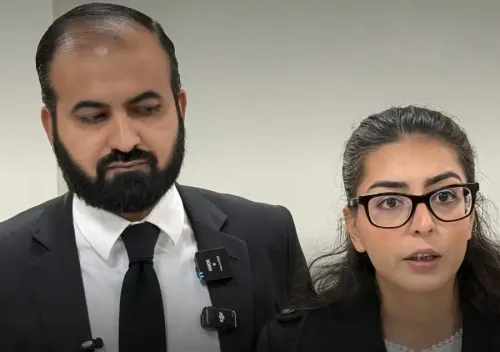
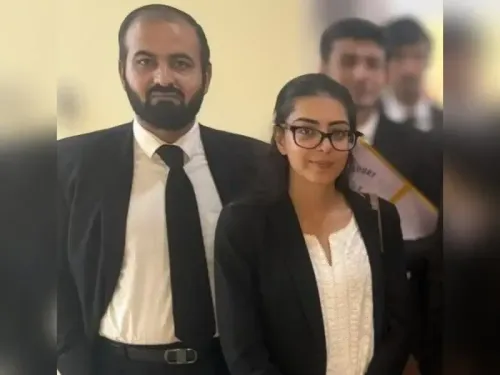
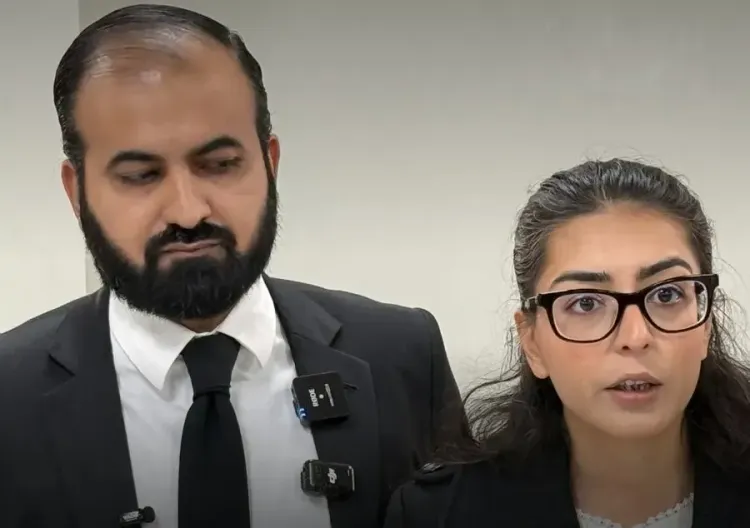
Human rights lawyers Imaan Zainab Mazari-Hazir and her husband Hadi Ali Chattha were sentenced to a 17-year prison term in Pakistan on charges of 'cyber terrorism' and 'spreading false information' — convictions rooted in social media posts expressing solidarity with Baloch and Pashtun activists who had documented alleged human rights abuses, and criticising the Pakistani military. The case, analysed in the Columbia Political Review, has drawn international condemnation as emblematic of a deepening erosion of judicial independence and democratic accountability in the country.
The Charges and Conviction
The couple were sentenced on 24 January under Pakistan's Prevention of Electronic Crimes Act (PECA). Their posts, which voiced support for marginalised activist communities and criticised the military establishment, were treated as criminal offences by Pakistani authorities. Analysts and rights groups argue the charges represent a deliberate weaponisation of cyber law to silence dissent rather than any genuine threat to public order.
The severity of the 17-year sentence — among the stiffest handed down under PECA — has raised alarms about the trajectory of Pakistan's judiciary and the expanding reach of state power over civil society.
Procedural Violations and Due Process Failures
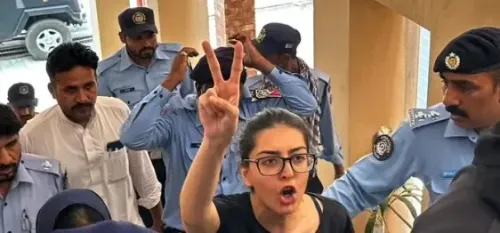
The arrest itself was reportedly conducted without the presentation of an arrest warrant or a First Information Report (FIR), both of which are legally required under Pakistani law. Following detention, the couple were transferred to an undisclosed location and barred from physically entering the courtroom during proceedings at the anti-terrorism court. They were also denied access to legal assistance.
Their court appearance was conducted virtually, lasted less than a minute, and ended abruptly. Separately, a transfer application was pending before the High Court on the grounds that the trial court lacked jurisdiction — a challenge that, if upheld, would call into question the legality of the entire conviction. Taken together, these procedural failures have prompted serious concerns about the fairness and independence of Pakistan's judicial process.
Pakistan's Hybrid Regime: Military Behind the Civilian Facade
Writing in the Columbia Political Review, analyst Anaya Qayyum argued that the case is not an isolated incident but a symptom of structural dysfunction. 'Their arrests reflect a broader pattern of constitutional violations and abuse of state power. Although Pakistan formally operates under a civilian democratic system, the military remains the country's dominant political institution. Civilian leaders serve in office, but the military often has final say and exerts decisive influence over national security policy, foreign affairs, and key political decisions,' Qayyum wrote.
Qayyum further noted: 'Rather than serving as independent checks on one another, the executive and military establishment have become increasingly aligned, allowing for the expansion of state power and the weakening of judicial and democratic accountability. Pakistan therefore functions as a de facto hybrid regime of autocracy and democracy.'
This framing aligns with assessments from multiple democracy indices, which have progressively downgraded Pakistan's democratic standing over the past decade.
Amnesty International Writes to PM Shehbaz Sharif
Leading human rights organisation Amnesty International wrote to Pakistani Prime Minister Shehbaz Sharif this month, voicing grave concern over the continued imprisonment of the couple. 'Imaan Mazari-Hazir and Hadi Ali Chattha are being imprisoned as retaliation for their work as human rights lawyers and exercising their right to freedom of expression to extend solidarity to activists and movements within Pakistan. Their imprisonment under the Prevention of Electronic Crimes Act continues to raise serious questions about the misuse of the law to silence dissent inside the country and runs contrary to Pakistan's international human rights obligations,' the organisation stated.
Amnesty also raised alarm over Imaan's deteriorating health in custody. According to the appeal, she has experienced heavy bleeding in her gums and was denied access to a dentist by prison authorities. Her family sent medicine after consulting a dentist, but not all of it was delivered to her by prison staff. She was also reportedly found to be suffering from a chest infection and stomach issues. The rights body called for the immediate and unconditional release of both individuals and for their convictions to be quashed.
What Comes Next
The pending jurisdictional challenge before the High Court remains the most immediate legal avenue for the couple. International pressure — particularly from bodies like Amnesty International and the broader human rights community — is likely to intensify as Imaan's health concerns mount. Whether Pakistani civilian authorities choose to act, or defer once again to the military-aligned establishment, will be a critical test of the country's stated commitment to democratic norms and international human rights obligations.
Point of View
No FIR, a sub-minute virtual hearing, and a jurisdictional question left hanging. That Amnesty International felt compelled to write directly to the Prime Minister suggests civilian leadership is either unwilling or unable to intervene — which, if true, confirms rather than contradicts the hybrid-regime thesis. The international community's response will test whether human rights pressure can still move the needle in Islamabad.
NationPress
30 Sept 2026
Frequently Asked Questions
Who are Imaan Zainab Mazari-Hazir and Hadi Ali Chattha?
Imaan Zainab Mazari-Hazir and Hadi Ali Chattha are Pakistani human rights lawyers and a married couple who were sentenced to 17 years in prison on 24 January on charges of cyber terrorism and spreading false information. Their prosecution stems from social media posts supporting Baloch and Pashtun activists and criticising the Pakistani military.
Why were the lawyers sentenced to 17 years in Pakistan?
They were convicted under Pakistan's Prevention of Electronic Crimes Act (PECA) for social media posts expressing solidarity with Baloch and Pashtun activists who had documented alleged human rights abuses, and for criticising the Pakistani military. Rights groups argue the charges are a misuse of cyber law to silence legitimate dissent.
What due process violations occurred during the case?
According to reports, Pakistani police did not present an arrest warrant or a First Information Report at the time of arrest. The couple were transferred to an undisclosed location, barred from physically entering the courtroom, denied legal assistance, and their virtual court appearance lasted less than a minute before ending abruptly. A jurisdictional challenge also remains pending before the High Court.
What has Amnesty International said about the case?
Amnesty International wrote to Prime Minister Shehbaz Sharif calling the imprisonment unlawful and describing it as retaliation for the lawyers' human rights work. The organisation also flagged Imaan Mazari-Hazir's deteriorating health in custody — including gum bleeding, a chest infection, and stomach issues — and called for the convictions to be quashed and both individuals immediately and unconditionally released.
What does this case reveal about Pakistan's political system?
Analysts writing in the Columbia Political Review describe Pakistan as a de facto hybrid regime where the military retains decisive influence over national security, foreign affairs, and key political decisions despite a formal civilian government. The case is cited as reflecting a broader pattern of constitutional violations and the weakening of judicial and democratic accountability in the country.