Smriti Irani Greets Nation on Chhath Mahaparv

Synopsis
BJP leader Smriti Irani greeted the nation on Chhath Mahaparv on November 15, 2026, describing the festival as a symbol of gratitude toward nature and Sanatan culture, and praying for peace, health, and prosperity for all.
Key Takeaways
BJP leader Smriti Irani posted Chhath Mahaparv greetings on X on November 15, 2026 .
Chhath Mahaparv involves offering ritual arghya to both the setting and rising Sun, observed mainly in Bihar , eastern Uttar Pradesh , and Nepal .
Irani described the festival as 'an unparalleled celebration of rich Sanatan culture' rooted in nature worship and popular faith.
She invoked blessings of Chhathi Maiya and Bhagwan Suryadev for happiness, peace, health, and prosperity.
The post carries no policy announcement; it is a devotional cultural greeting consistent with how senior Indian leaders mark major Hindu festivals.
One of India's most luminous folk festivals — where millions wade into rivers at dawn and dusk to offer prayers to the Sun — arrived once again, and BJP leader Smriti Irani marked the occasion with a heartfelt message on X on Sunday, November 15, 2026.
In her post, written in Sanskrit-inflected Hindi, Irani described Chhath Mahaparv as 'an unparalleled celebration of our rich Sanatan culture' — a festival that embodies gratitude toward nature and the unshakeable faith of the people. She invoked the blessings of Chhathi Maiya (the presiding deity of the sixth day) and Bhagwan Suryadev (the Sun God), praying that happiness, peace, good health, and prosperity flow into every life. She closed with the devotional salutation 'Jai Chhathi Maiya!'
What Chhath Asks of Its Devotees
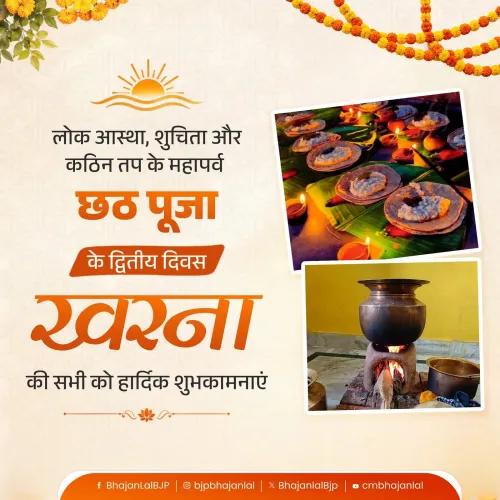
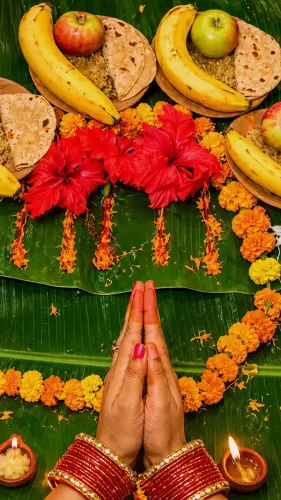
Chhath Mahaparv is among the most physically demanding of Hindu festivals. Devotees observe a multi-day fast — often without water — bathe in rivers or ponds, and stand in water to offer arghya (ritual oblations) to the setting Sun on the evening of the main day and to the rising Sun the following dawn. The dual offering — to the astachalagami (setting) and udiyaman (rising) Sun — is at the spiritual heart of the festival, and Irani's post quoted both Sanskrit terms directly. The festival is observed most intensely in Bihar, eastern Uttar Pradesh, and Nepal, though large celebrations now take place in Delhi, Mumbai, and wherever the Bihari and Purvanchali diaspora has settled — making it a genuinely national event in reach if not in origin.Festival Greetings as Political and Cultural Signalling
Senior Indian political figures across parties routinely issue public messages on major Hindu festivals, and Chhath — with its massive devotee base in electorally significant Bihar and eastern UP — draws particular attention from leaders. Irani's message stays squarely within the devotional register: no policy announcement, no electoral reference, just the language of faith and nature reverence that the festival itself demands. The emphasis on Sanatan Sanskriti (eternal culture) and collective well-being — sukh, shanti, aarogya evam samridhi (happiness, peace, health, and prosperity) — reflects the broader cultural idiom BJP leaders have consistently used when addressing festivals rooted in folk Hinduism. As ghats fill with devotees and the air carries the fragrance of thekua and sugarcane offerings, Irani's message joins a chorus of voices reminding the country that Chhath belongs not just to a region, but to a shared civilisational memory. The Sun rises for everyone — and this festival insists we notice.Point of View
Two states that together send over 120 MPs to Parliament. Senior BJP leaders invoking the language of Sanatan Sanskriti during Chhath reinforces the party's sustained effort to position itself as the natural custodian of Hindu folk traditions — not just temple Hinduism but the river-bank, sunrise-watching, fasting-in-water variety. Irani's message, devoid of any policy hook, is a pure cultural statement — but in Indian politics, cultural statements are rarely without strategic texture. The festival's growing footprint in urban centres like Delhi and Mumbai also signals that its political salience is no longer confined to the Gangetic heartland.
NationPress
15 Nov 2026
Frequently Asked Questions
What is Chhath Mahaparv and why is it celebrated?
Chhath Mahaparv is an ancient Hindu festival dedicated to the Sun God and Chhathi Maiya, observed mainly in Bihar, eastern Uttar Pradesh, and Nepal. Devotees fast for multiple days and offer ritual arghya to the setting and rising Sun as an expression of gratitude toward nature and a prayer for well-being.
Why did Smriti Irani post about Chhath Puja?
BJP leader Smriti Irani extended public greetings on Chhath Mahaparv on November 15, 2026, invoking the blessings of Chhathi Maiya and Suryadev for peace, health, and prosperity — a practice common among senior Indian political leaders on major Hindu festivals.
What does arghya mean in Chhath Puja?
Arghya refers to the ritual oblation — typically water, milk, and offerings of fruit and sweets — that devotees present while standing in a river or pond, directed toward the setting Sun on the main evening and the rising Sun the following dawn.
Where is Chhath Puja most widely observed in India?
Chhath Puja is most intensely observed in Bihar and eastern Uttar Pradesh, but it is now celebrated across India wherever the Bihari and Purvanchali communities have settled, including large gatherings in Delhi and Mumbai.
Who is Chhathi Maiya?
Chhathi Maiya is the folk deity associated with the sixth day after birth and with the Chhath festival. She is believed to be a manifestation of nature's life-giving power and is worshipped alongside the Sun God for the health and longevity of family members.