Goyal Meets Indian Diaspora in Egypt, Flags Bilateral Ties
Synopsis
Commerce Minister Piyush Goyal met Indian diaspora members at an Egyptian community event on November 15, 2026, highlighting India-Egypt's seven-decade diplomatic bond and urging the community to play a larger role in deepening bilateral cooperation.
Key Takeaways
Union Minister Piyush Goyal attended an event organised by the Indian Community Association in Egypt on 15 November 2026 .
He praised the Indian diaspora as carriers of India's values and effective bridges between the two nations.
India and Egypt established formal diplomatic relations in 1947 and were founding members of the Non-Aligned Movement .
PM Modi visited Egypt in June 2023 , upgrading the strategic and economic partnership.
Goyal flagged multiple opportunities to strengthen India-Egypt cooperation and said the diaspora can play a central role in bringing the two countries closer.
The India-Egypt Joint Commission remains the key forum to watch for concrete follow-up announcements.
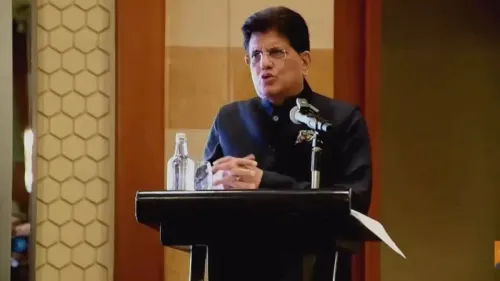
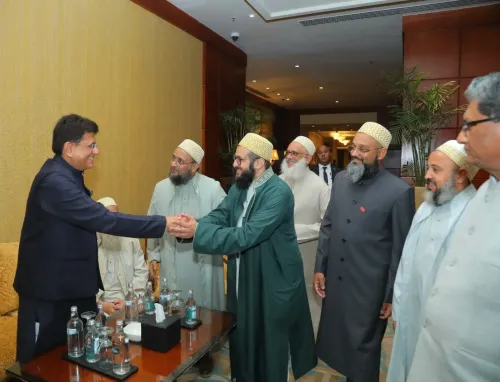
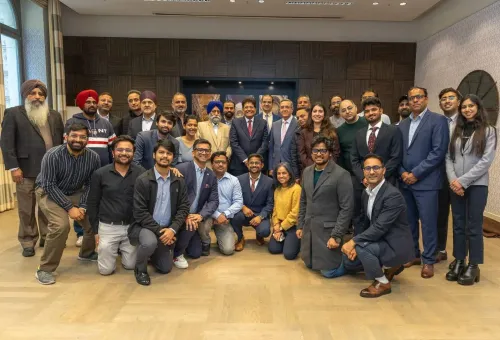
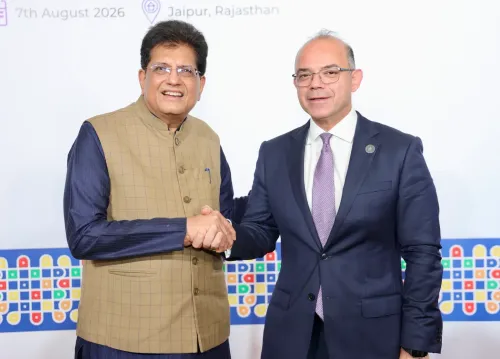
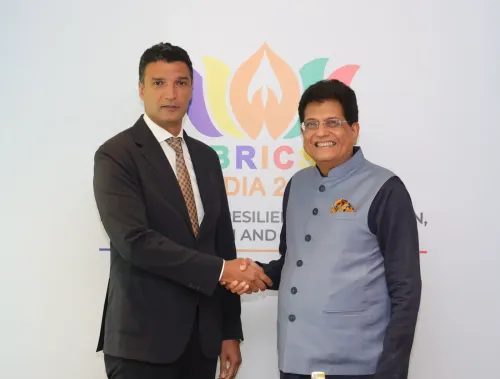
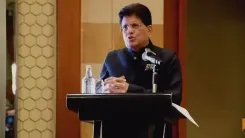
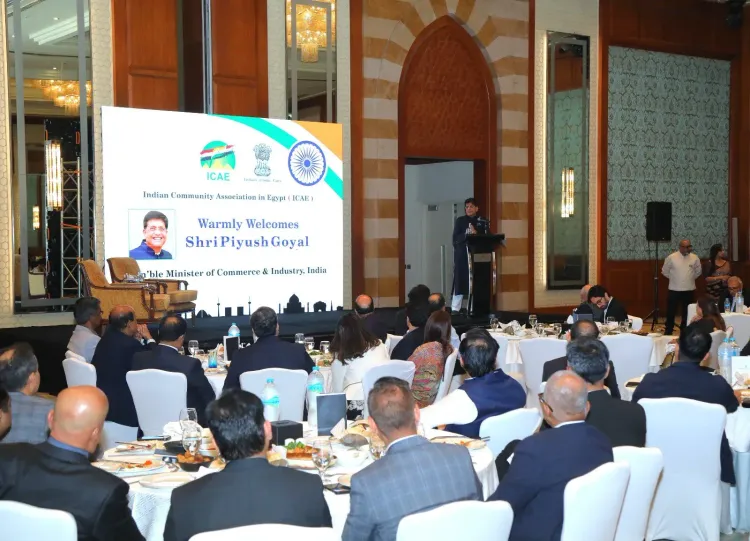
From Cairo to every corner of the globe, the Indian diaspora has become one of New Delhi's most potent diplomatic instruments — and Union Commerce and Industry Minister Piyush Goyal made that case in person on Sunday, 15 November 2026, meeting members of the Indian community at an event hosted by the Indian Community Association in Egypt.
A Room Full of Soft Power
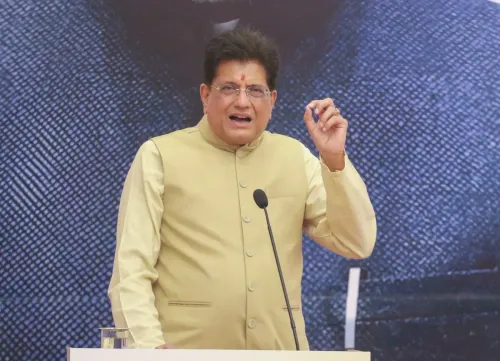
Minister Goyal addressed the gathering with a message that was equal parts affirmation and strategic nudge. 'Wherever Indians go, they rise and shine,' he declared, underlining how the community in Egypt has earned genuine respect in its adopted home — their Karmabhoomi (land of deeds). He stressed that the diaspora carries India's values across borders and, in doing so, quietly builds the bridges that diplomats and trade negotiators spend years trying to construct.
The minister spoke about the deep historical connections between the two countries — a civilisational kinship that predates modern diplomacy — and acknowledged how much Egypt values the Indian community's meaningful contributions to its society and economy.
Seven Decades of Ties — and Why Egypt Still Matters
India and Egypt established formal diplomatic relations in 1947, among the first bilateral bonds India struck after independence. The two nations were also founding pillars of the Non-Aligned Movement, giving the relationship a shared ideological heritage that runs deeper than trade ledgers. Prime Minister Narendra Modi visited Cairo in June 2023 to give that relationship a fresh strategic impetus, expanding cooperation across trade, defence, and multilateral platforms. Egypt is widely regarded as a priority partner for India across North Africa and the broader Arab world.
Goyal used the diaspora event to underscore how expatriate communities can accelerate what governments negotiate in formal settings — through investment, people-to-people links, and cultural exchange that no bilateral treaty can fully replicate.
Diaspora as a Diplomatic Bridge
India's engagement with its diaspora has evolved into a deliberate plank of its foreign policy. Ministerial interactions at community events are no longer purely ceremonial — they serve as intelligence-gathering on ground realities, confidence-boosting signals to host governments, and direct recruitment of community leaders into the broader project of economic diplomacy. The Indian Community Association in Egypt represents precisely this kind of organised diaspora presence that New Delhi has increasingly sought to activate.
Goyal pointed to the 'many opportunities to further strengthen India-Egypt cooperation,' signalling that the conversation has moved well beyond goodwill and into the realm of concrete economic and institutional possibilities. The next session of the India-Egypt Joint Commission will be the arena to watch for any follow-up trade or investment announcements that the Cairo visit may have seeded.
India's diaspora has long been its most underrated foreign-policy asset. Ministers like Goyal are making sure that changes.
Point of View
Supplementing formal bilateral mechanisms. Egypt is not a random stop — after the June 2023 Modi visit upgraded strategic ties, keeping Cairo warm through high-level engagement signals that New Delhi sees North Africa as a serious theatre, not just a talking point. The deliberate framing of the diaspora as a bilateral 'bridge' also reflects India's broader effort to leverage its roughly 32-million-strong global community as an asset in trade and investment conversations. Watch whether this visit produces any joint commission movement or trade-facilitation announcements — that is when symbolism becomes substance.
NationPress
15 Nov 2026
Frequently Asked Questions
Why did Piyush Goyal visit Egypt in November 2026?
Minister Piyush Goyal visited Egypt and met members of the Indian diaspora at an event hosted by the Indian Community Association in Egypt, using the occasion to discuss opportunities to deepen India-Egypt bilateral cooperation.
What are India-Egypt diplomatic relations based on?
India and Egypt established formal diplomatic relations in 1947 and share deep historical ties through their shared participation in the Non-Aligned Movement and long-standing civilisational connections.
What was PM Modi's role in India-Egypt ties?
Prime Minister Narendra Modi visited Egypt in June 2023 to strengthen strategic and economic cooperation, marking a significant upgrade in the bilateral relationship.
What is the Indian Community Association in Egypt?
The Indian Community Association in Egypt is a community organisation representing Indian expatriates in Egypt that organises cultural and networking events for the diaspora.
How does India use its diaspora in foreign policy?
India routinely engages its global diaspora through ministerial visits and community events as part of a broader soft-power and economic diplomacy strategy, encouraging expatriates to act as bridges between India and their host countries.