CM Fadnavis Addresses Media on Maoism and Tribal Pride in Gadchiroli
Synopsis
Maharashtra CM Devendra Fadnavis held a media interaction in Gadchiroli on 14 November 2026, addressing Maoist insurgency and Janjatiya Gaurav Divas on the eve of the national tribal observance honouring Birsa Munda, signalling the state's twin-track security and development approach in the region.
Key Takeaways
Devendra Fadnavis addressed media in Gadchiroli on 14 November 2026 , covering Maoism and Janjatiya Gaurav Divas.
Janjatiya Gaurav Divas falls on 15 November , marking the birth anniversary of tribal icon Birsa Munda , and was instituted nationally in 2021 .
Gadchiroli is both Maharashtra's primary left-wing extremism-affected district and home to a large tribal population.
Maharashtra has pursued parallel counter-Maoist operations and tribal development programmes in Gadchiroli and adjoining districts.
The CM's field visit signals that the state frames Maoism as a development deficit requiring high-level political presence, not just a security operation.
Follow-up announcements on tribal welfare schemes or security updates from the 15 November 2026 observance remain to be watched.
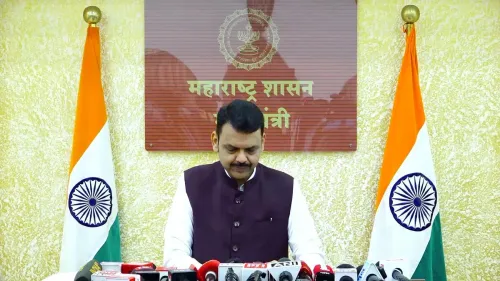
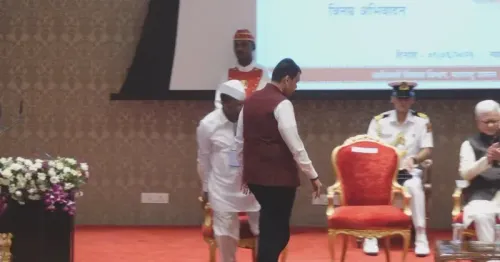
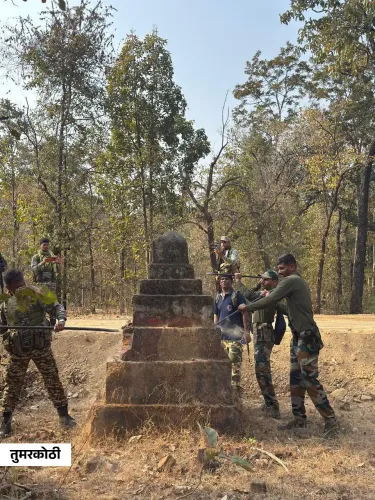
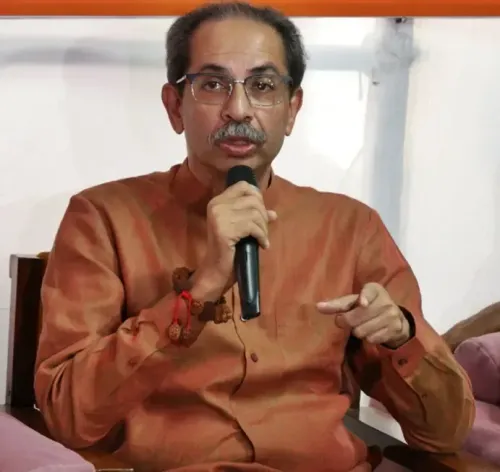
On the eve of Janjatiya Gaurav Divas, Maharashtra Chief Minister Devendra Fadnavis sat down with the media in Gadchiroli on 14 November 2026 to speak on two of the district's most defining realities: the persistent shadow of Maoist insurgency and the government's commitment to celebrating tribal heritage. The choice of location was deliberate — Gadchiroli is both the epicentre of left-wing extremism in Maharashtra and home to one of the state's largest and most culturally rich tribal populations.
Why Gadchiroli on This Particular Eve
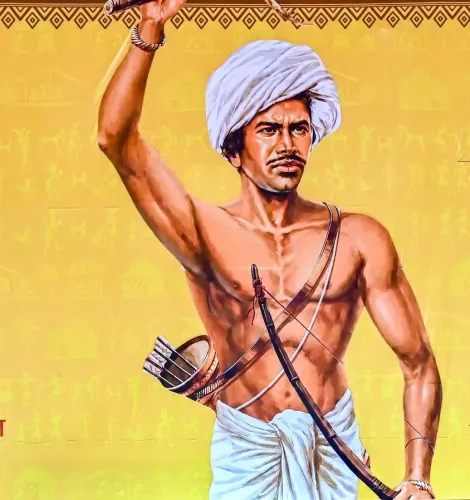
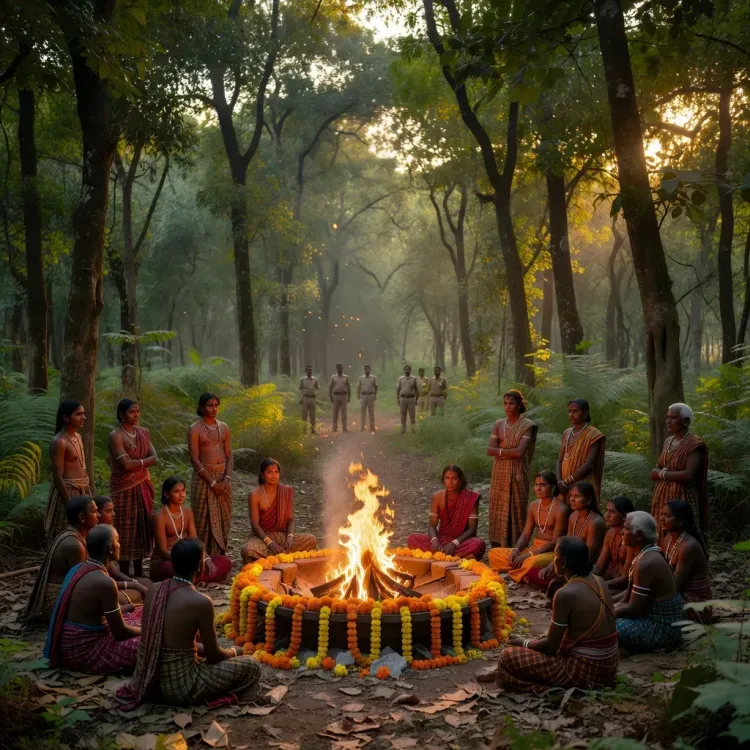
November 15 marks Janjatiya Gaurav Divas, the national observance instituted by the central government in 2021 to honour tribal freedom fighters and commemorate the birth anniversary of revolutionary icon Birsa Munda. Holding a media interaction in Gadchiroli on the eve of that observance sends a pointed signal: that the state views tribal dignity and counter-insurgency not as competing priorities, but as two sides of the same governance challenge.
Gadchiroli has carried the weight of Maoist violence for decades. Security forces and successive Maharashtra administrations have pursued a twin-track approach — intensified counter-Maoist operations alongside targeted tribal development programmes — to reclaim both territory and trust in the region's dense forest corridors.
The Parallel Tracks of Security and Welfare
Maharashtra's strategy in left-wing extremism-affected districts has long rested on the argument that development is the most durable counter-insurgency tool. Roads, health infrastructure, and livelihood schemes in Gadchiroli and adjoining districts have been positioned as instruments that drain the ideological reservoir from which Maoist recruitment draws. Public media briefings by senior leaders — especially in the field, not from a Mumbai podium — are part of that outreach architecture.
Fadnavis, a senior BJP leader who has helmed Maharashtra across multiple terms, has made Gadchiroli a recurring stop in his governance calendar. His presence there on the eve of a nationally significant tribal observance underscores how the state is framing the Maoist question: not purely as a law-and-order problem, but as a development deficit that demands political visibility at the highest level.
Birsa Munda's Legacy and the Stakes for Tribal Communities
Birsa Munda, the 19th-century tribal leader and freedom fighter from the Jharkhand region, remains a towering symbol for Adivasi communities across India. The central government's decision to name November 15 after tribal pride was a direct invocation of his legacy — and states with large tribal populations like Maharashtra have been expected to give the day substantive, on-ground expression.
In Gadchiroli, where tribal communities live at the intersection of forest rights, Maoist influence, and state welfare delivery, that expectation carries particular weight. Any announcements or follow-up actions emerging from Fadnavis's 14 November visit will be watched closely by both security analysts and tribal welfare advocates.
A chief minister in the field, on the eve of a tribal national day, speaking to the press about Maoism and Janjatiya Gaurav in the same breath — that is not routine optics. It is a statement about which districts Maharashtra considers worth showing up for.
Point of View
And Fadnavis's presence reinforces that this is as much an electoral and ideological project as an administrative one. For tribal communities in Gadchiroli, the real test will be whether the visibility translates into measurable improvements in forest rights, health access, and livelihood delivery. The optics are strong; the outcomes will define the legacy.
NationPress
15 Nov 2026
Frequently Asked Questions
What is Janjatiya Gaurav Divas and when is it celebrated?
Janjatiya Gaurav Divas is a national observance held every year on 15 November to honour tribal freedom fighters and mark the birth anniversary of Birsa Munda . The central government instituted it in 2021 .
Why did CM Fadnavis visit Gadchiroli on 14 November 2026?
Fadnavis held a media interaction in Gadchiroli on 14 November 2026 to address issues of Maoist insurgency and the upcoming Janjatiya Gaurav Divas, signalling the state's focus on both security and tribal welfare in the district.
What is the Maoist situation in Gadchiroli, Maharashtra?
Gadchiroli is an eastern Maharashtra district with a long-standing Maoist insurgency presence. The state has pursued intensified counter-Maoist operations alongside tribal development programmes to address the situation.
Who was Birsa Munda and why is he significant for tribal communities?
Birsa Munda was a 19th-century tribal leader and freedom fighter, revered as a symbol of Adivasi rights and resistance. His birth anniversary on 15 November is commemorated nationally as Janjatiya Gaurav Divas.
What is Maharashtra's approach to tribal development in Gadchiroli?
Maharashtra has followed a twin-track approach in Gadchiroli — intensified counter-Maoist security operations combined with targeted tribal development programmes including roads, health infrastructure, and livelihood schemes.