CM Fadnavis Vows to Eradicate Naxalism, Rebuild Tribal Lives
Synopsis
CM Devendra Fadnavis on October 15 pledged to leave no stone unturned in rehabilitating Naxal-affected people and developing tribal areas in Maharashtra, crediting PM Modi and Home Minister Amit Shah for leading a decisive national campaign against left-wing extremism.
Key Takeaways
CM Devendra Fadnavis committed Maharashtra to full rehabilitation of Naxal-affected communities and dignified livelihoods in tribal zones.
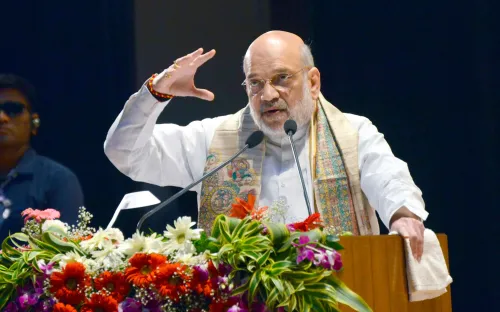
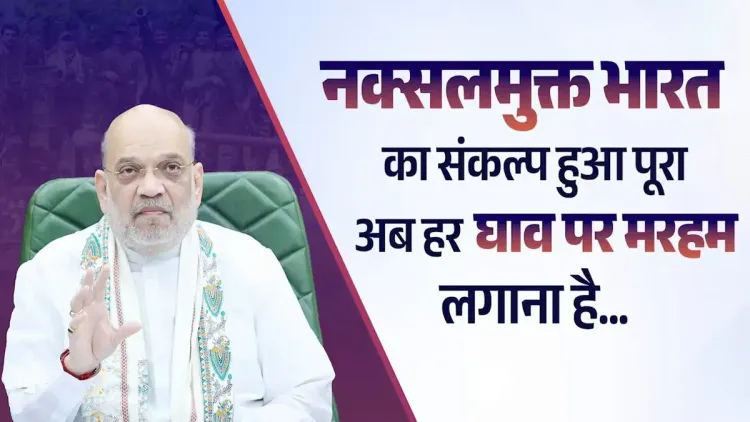
He credited PM Narendra Modi 's leadership and Union Home Minister Amit Shah 's guidance for the decisive national campaign against Naxalism.
Districts such as Gadchiroli and Gondia in eastern Maharashtra remain the core geography of the state's Naxal challenge.
The Centre's dual-track approach — kinetic operations plus socio-economic development — underpins Maharashtra's stated strategy.
Maharashtra's pledge aligns with similar commitments from Chhattisgarh and Jharkhand as the collective Naxal footprint in central India shrinks.
The credibility of the commitment will be tested by actual rollout of rehabilitation packages and infrastructure in affected tribal districts.
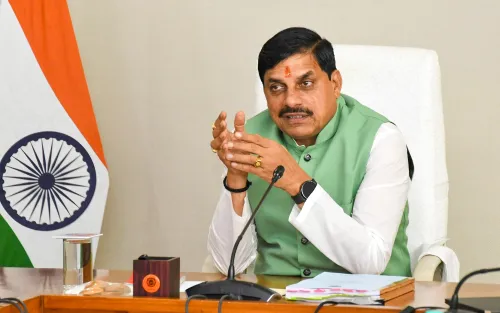
Decades of insurgency in Maharashtra's eastern forests may be entering their final chapter. Maharashtra Chief Minister Devendra Fadnavis, on Thursday, October 15, 2026, pledged an unrelenting push to rehabilitate Naxal-affected communities and drive development into the state's long-neglected tribal heartlands — framing the effort as part of a decisive national campaign under Prime Minister Narendra Modi and Union Home Minister Amit Shah.
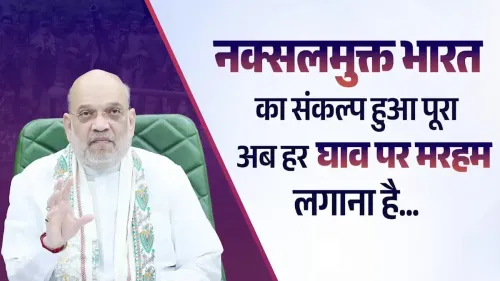
Posting in Hindi, CM Fadnavis wrote: 'Under the firm leadership of honourable Prime Minister Narendra Modi and the guidance of our leader, honourable Union Home and Cooperation Minister Amitbhai Shah, a decisive battle against Naxalism has been waged. In Maharashtra too, we will leave no stone unturned for the rehabilitation of those affected by Naxalism, their dignified livelihood, and the development of tribal areas.'
Gadchiroli and Gondia: The Ground Zero Fadnavis Is Targeting
For Maharashtra, Naxalism is not an abstraction — it has a precise geography. Districts such as Gadchiroli and Gondia in the state's eastern tribal belt have borne the brunt of left-wing extremism for generations, with communities caught between insurgent networks and the slow reach of state welfare. Infrastructure deficits, land rights disputes, and poor connectivity have historically made these areas fertile ground for Naxal recruitment. The Chief Minister's statement signals that Maharashtra intends to mirror the dual-track approach championed at the Centre: kinetic security operations paired with aggressive socio-economic integration. Surrender and rehabilitation policies for former cadres — aligned with Union Ministry of Home Affairs guidelines — have been a recurring feature of state anti-Naxal strategy, though implementation has often lagged ambition.Modi-Shah's National Anti-Naxal Campaign — and Where Maharashtra Fits
Prime Minister Modi and Home Minister Shah have made the elimination of left-wing extremism a signature internal-security priority since the mid-2010s. The Centre has channelled special assistance to Naxal-affected states, coordinated inter-state security operations, and pushed a 'development as deterrence' doctrine — roads, schools, and banking connectivity in areas where the state was previously invisible. Fadnavis's post is calibrated squarely within that national narrative. By invoking both Modi and Shah by name, the Chief Minister is simultaneously acknowledging central leadership and committing Maharashtra to its share of the programme. Similar alignment messaging has come from Chhattisgarh and Jharkhand administrations as the collective Naxal footprint in central India has shrunk under combined pressure.What 'No Stone Unturned' Must Actually Mean for Tribal Communities
The real test of the pledge lies in delivery. Tribal communities in Naxal-affected zones need more than security clearances — they need land rights formalised, forest produce markets accessible, health infrastructure built, and educational institutions staffed. Rehabilitation of surrendered or displaced individuals demands sustained funding, credible monitoring, and political will that outlasts election cycles. CM Fadnavis has staked a clear commitment. The coming months will reveal whether new rehabilitation packages, infrastructure timelines, or inter-state coordination meetings back that commitment with specifics. For the families who have lived in the shadow of this insurgency the longest, the margin for another delayed promise is razor-thin. The battle for Maharashtra's tribal heartland, the Chief Minister is saying, will be won — and it will be won by giving those communities a future worth choosing.Point of View
He reinforces the Centre-state unity of command that the BJP has cultivated as a political differentiator on security issues. The pledge on tribal rehabilitation is also strategically significant: it preempts opposition criticism that the anti-Naxal campaign is purely coercive by emphasising socio-economic uplift. Whether it translates into measurable outcomes in Gadchiroli and Gondia will determine whether the statement is remembered as a turning point or another well-worded promise.
NationPress
15 Oct 2026
Frequently Asked Questions
What did CM Devendra Fadnavis say about Naxalism in Maharashtra?
CM Fadnavis pledged that Maharashtra will leave no stone unturned in rehabilitating those affected by Naxalism, ensuring their dignified livelihood, and developing tribal areas — as part of a decisive national campaign led by PM Modi and Home Minister Amit Shah.
Which districts in Maharashtra are affected by Naxalism?
Eastern Maharashtra districts such as Gadchiroli and Gondia are the primary Naxal-affected areas in the state, home to large tribal populations who have faced decades of insurgency-related disruption.
What is India's national policy on left-wing extremism?
The Union Ministry of Home Affairs has pursued a dual strategy since the mid-2010s combining security operations with development initiatives — including roads, banking, and welfare infrastructure — in Naxal-affected tribal districts across central India.
How does Maharashtra plan to rehabilitate Naxal-affected people?
Maharashtra has periodically announced surrender and rehabilitation policies aligned with central guidelines, focused on giving former cadres and affected families access to livelihoods, land rights, and social services — though specific new schemes from this announcement are yet to be detailed.
What role do PM Modi and Amit Shah play in the anti-Naxal campaign?
PM Narendra Modi has made eliminating left-wing extremism a core internal-security priority, while Home Minister Amit Shah oversees national-level coordination of operations and rehabilitation frameworks across Naxal-affected states.