Amit Shah: Every trace of Naxalism must be erased, Bastar must thrive
Synopsis
Home Minister Amit Shah used a Chhattisgarh ceremony for Naxal victims to declare the insurgency effectively over — and pivot to the harder task of healing. With Bastar still scarred by decades of IED attacks and neglect, the government's rehabilitation push, from artificial limbs to the Bastar Olympics, is now the real measure of its Naxal-free India promise.
Key Takeaways
Home Minister Amit Shah declared on 15 October 2026 that Naxalism has been eliminated and every remaining vestige must now be erased.
Shah addressed a ceremony for Naxal-affected persons in Chhattisgarh via video conferencing, focusing on rehabilitation.
He condemned the use of IED blasts by Naxals, calling it the 'greatest violation of human rights.' The Niyad Nellanar scheme and initiatives like the Bastar Olympics and Bastar Pandum were highlighted as tools for regional revival.
Assistive devices including wheelchairs, artificial limbs, hearing aids and smart walking sticks were distributed to disabled victims at the ceremony.
The Centre reaffirmed its commitment to stand alongside the Chhattisgarh government in all ongoing rehabilitation efforts.
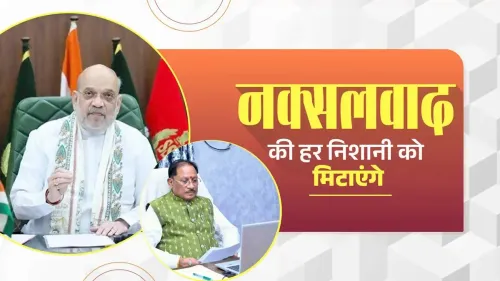
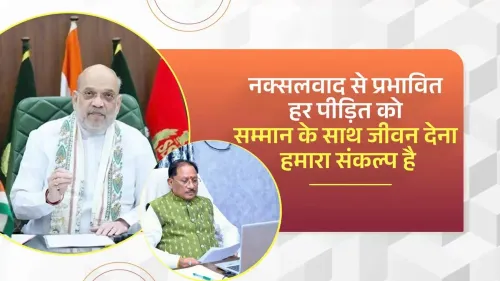
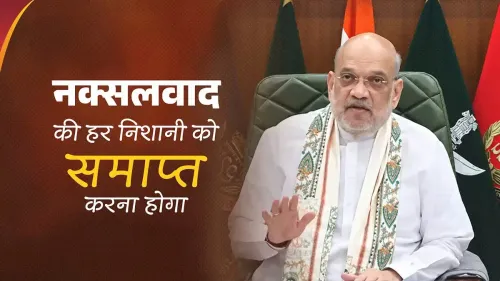
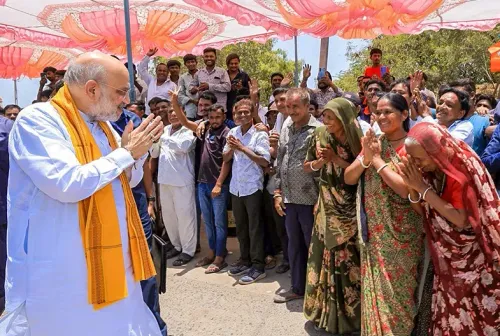
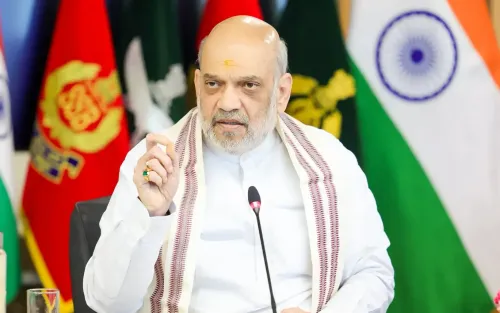
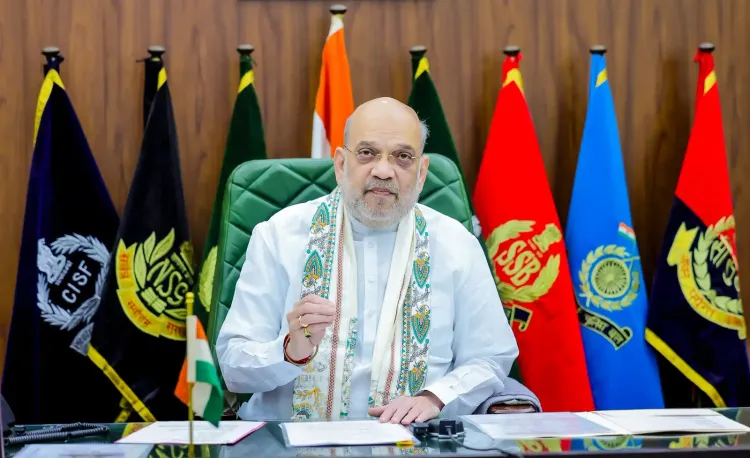
Union Home Minister Amit Shah on Thursday, 15 October 2026, declared that every remaining vestige of Naxalism must be wiped out, asserting that the Modi government's mission of creating a Naxal-free India has been achieved. Addressing a ceremony for people affected by Naxalism in Chhattisgarh via video conferencing, Shah said it is now time to heal the wounds inflicted by left-wing extremism and ensure that every victim can lead a life of dignity.
Shah's Core Message: From Elimination to Rehabilitation
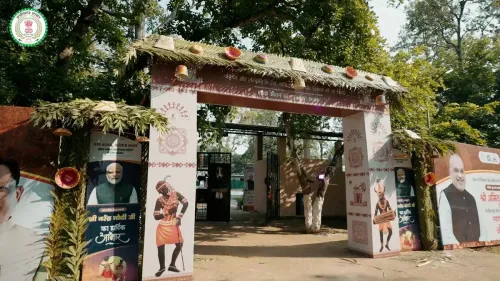
'Just as Naxalism has been brought to an end, every remaining vestige of it must also be wiped out,' Shah emphasised, stressing that Bastar must once again become a vibrant and thriving region. He acknowledged significant contributions from traditional tribal leadership in driving this transformation. The Home Minister framed the ceremony within the broader Seva Sankalp Abhiyan, organised to mark 25 years of Prime Minister Narendra Modi's public service — spanning his tenures as a state head and as Prime Minister.
Condemnation of Naxal Violence and Human Rights Violations
Shah strongly condemned the use of IED blasts by Naxals to further their political agenda, stating that these attacks have left innocent people disabled. 'There can be no greater violation of human rights than this,' he said. The remark underscores the government's framing of Naxal insurgency not merely as a law-and-order issue but as a sustained assault on the fundamental rights of tribal communities. This is a rhetorical shift that has grown more pronounced as the government consolidates its post-insurgency narrative.
Bastar's Transformation: What the Government Claims
Shah pointed out that Bastar — a region he said remained deprived of even basic services for five decades under Congress rule — is now receiving comprehensive facilities. He cited the Niyad Nellanar scheme as a key vehicle for delivering basic infrastructure to formerly insurgency-hit villages. The Chhattisgarh government's broader basket of initiatives, including the Bastar Olympics, Bastar Pandum, and the CM Collective Bus Scheme, were specifically appreciated by the Home Minister as instruments of social revival.
Assistive Devices and Rehabilitation for Naxal Victims
A central focus of the ceremony was the distribution of assistive devices to persons with disabilities — victims of Naxal violence. Wheelchairs, tricycles, crutches, hearing aids, smart walking sticks, and artificial limbs were among the aids being provided. Shah acknowledged the collaborative effort of the Chhattisgarh government, the district administration, the State Social Welfare Department, Bhagwan Mahaveer Viklang Sahayata Samiti (Jaipur), and Bharatiya Jain Sanghatana in this endeavour. He said these efforts could usher in 'a new era of hope and happiness in Bastar.'
Centre's Continued Commitment to Chhattisgarh
The Union Home Minister reiterated that the Centre remains firmly committed to ensuring rehabilitation opportunities for every Divyang and Naxal victim in the region. He assured that the Centre stands fully alongside the Chhattisgarh government in its ongoing rehabilitation drive. With the security situation largely stabilised, the political focus is now expected to shift to longer-term economic development and social integration in the Bastar belt — a region that will remain a key test of the government's post-Naxalism governance promise.
Point of View
But the real test is whether post-insurgency governance in Bastar delivers durable economic opportunity, not just assistive devices at ceremonies. Decades of underdevelopment cannot be reversed by schemes alone; the absence of an independent assessment of Niyad Nellanar's outcomes is a gap critics are likely to press. The BJP's repeated attribution of Bastar's deprivation to Congress rule also risks reducing a complex, multi-decade security failure to electoral point-scoring at precisely the moment when bipartisan rehabilitation work is most needed.
NationPress
15 Oct 2026
Frequently Asked Questions
What did Amit Shah say about Naxalism on 15 October 2026?
Home Minister Amit Shah declared that Naxalism has been effectively eliminated and that every remaining trace of it must now be wiped out. Addressing a Chhattisgarh ceremony via video conferencing, he said the government's priority has shifted to healing victims and restoring dignity to affected communities.
What is the Niyad Nellanar scheme mentioned by Amit Shah?
Niyad Nellanar is a Chhattisgarh government scheme aimed at delivering basic infrastructure and services to villages in the Bastar region that were previously inaccessible due to Naxal activity. Shah cited it as a key example of the post-insurgency development drive in the area.
Who are the organisations supporting rehabilitation of Naxal victims in Bastar?
Shah acknowledged the combined efforts of the Chhattisgarh government, district administration, State Social Welfare Department, Bhagwan Mahaveer Viklang Sahayata Samiti (Jaipur), and Bharatiya Jain Sanghatana in supporting persons disabled by Naxal violence. These organisations contributed assistive devices to victims at the ceremony.
What is the Seva Sankalp Abhiyan mentioned by Shah?
Seva Sankalp Abhiyan is a service initiative being conducted across the country to mark 25 years of Prime Minister Narendra Modi's public service, counting both his tenure as a state head and as Prime Minister. The Chhattisgarh rehabilitation ceremony for Naxal victims was held under its banner.
What assistive devices were provided to Naxal-affected persons with disabilities?
The ceremony involved distribution of wheelchairs, tricycles, crutches, hearing aids, smart walking sticks, and artificial limbs to persons with disabilities who are victims of Naxal violence. Shah said these aids are meant to usher in a new era of hope and happiness in the Bastar region.