Pralhad Joshi Meets CBSE, NCERT on NEP 2020 School Push
Synopsis
Union Minister Pralhad Joshi held a high-level meeting with CBSE, NCERT and Ministry of Education officials on October 15, 2026, focusing on academic standards, teaching quality and accelerating National Education Policy 2020 implementation across Indian schools.
Key Takeaways
Pralhad Joshi met officials from CBSE , NCERT , and the Department of School Education and Literacy on October 15, 2026 .
Discussions centred on strengthening academic standards and improving teaching and learning quality under NEP 2020 .
The minister called for coordinated inter-agency efforts to deliver better educational outcomes nationally.
NEP 2020 was approved by Cabinet in July 2020 , replacing India's 1986 education policy.
NCERT textbook revision aligned with NEP and parliamentary scrutiny in the winter session are the near-term implementation watchpoints.
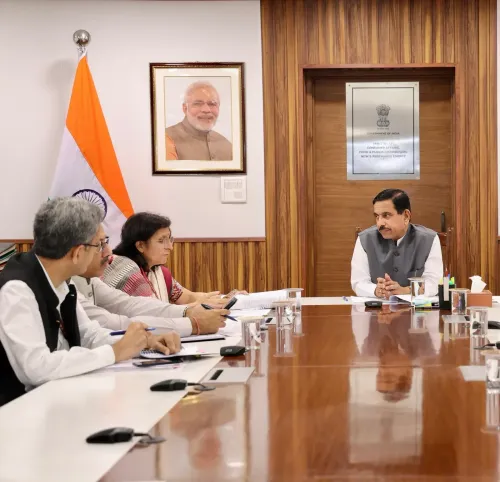
School education quality landed squarely on Union Minister Pralhad Joshi's agenda on Thursday, October 15, 2026, as he sat down with senior officials from CBSE, NCERT, and the Department of School Education and Literacy under the Ministry of Education to sharpen the country's implementation of the National Education Policy 2020.
What the roundtable put on the table
The discussions zeroed in on three interlocking goals: strengthening academic standards, lifting the quality of teaching and learning, and accelerating NEP 2020 rollout across the school system. Joshi underlined the need for 'coordinated efforts to enhance educational outcomes and ensure quality education for students across the country' — language that signals a push for tighter alignment between the central curriculum body, the examination board, and the policy ministry rather than parallel silos.
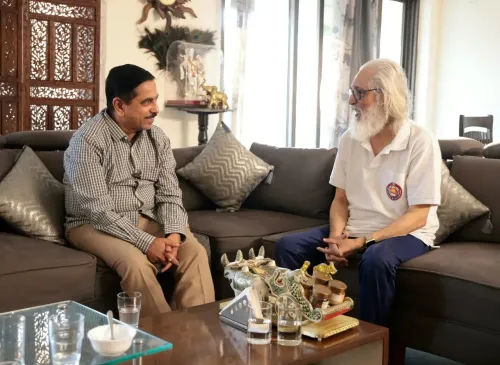
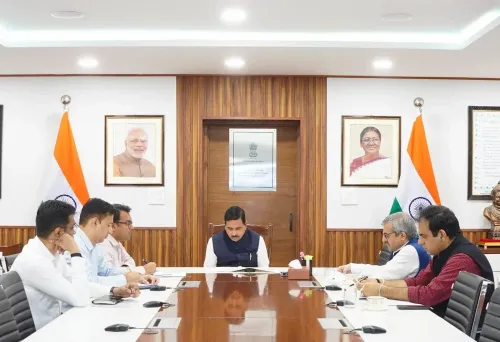
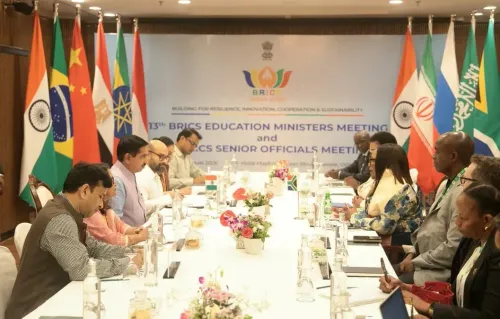
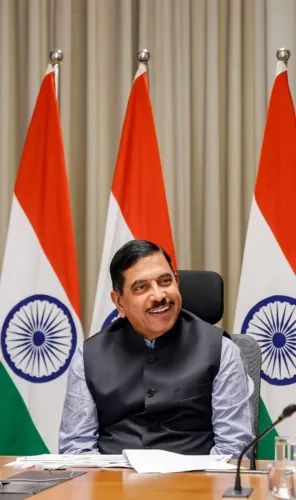
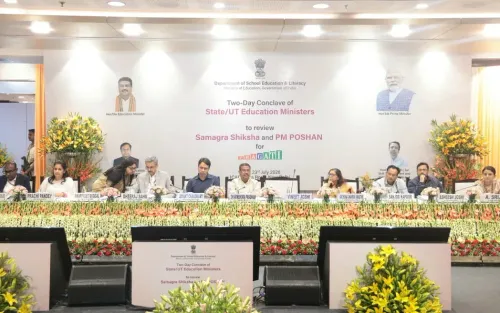
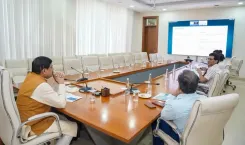
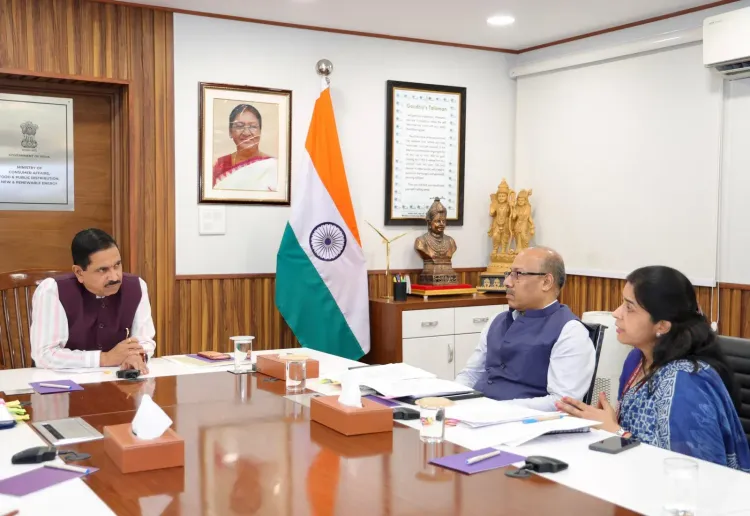
Three images shared with the post show the ministerial-level meeting in session, lending the exchange an official, on-the-record weight.
Why CBSE and NCERT are the pressure points for NEP delivery
NCERT sits at the upstream end of the pipeline — it develops the model textbooks and curriculum frameworks that define what students across affiliated schools actually learn. CBSE sits at the downstream end, prescribing curricula and conducting the board examinations that determine academic progression for millions of students. When NEP 2020 calls for a shift toward foundational literacy, multidisciplinary learning, and competency-based assessment, both bodies have to move in step — and that coordination, insiders say, has been the persistent bottleneck since the policy was approved by Cabinet in July 2020, replacing a framework that had stood since 1986.
The NEP 2020 implementation clock
Six years into the policy's life, the watchpoints are concrete: the rollout of new NCERT textbooks aligned with NEP's revised curriculum framework, and the pace at which state boards and affiliated schools have restructured the old 10+2 school design into the new 5+3+3+4 stage model. Parliamentary scrutiny on implementation progress — expected during the upcoming winter session — will test how much ground has actually been covered.
The Right to Education Act, 2009 remains the statutory floor, guaranteeing free and compulsory schooling up to age 14; NEP 2020 builds the ambition on top of that legal foundation, reaching from foundational learning at age three all the way through secondary school.
With central agencies now in the same room recalibrating priorities, the pressure is on to turn coordination into classrooms — for the 250 million-plus students the Indian school system serves.
Point of View
The pressure to show tangible outcomes — not just more meetings — is building.
NationPress
15 Oct 2026
Frequently Asked Questions
What is NEP 2020 and what does it change about Indian schools?
The National Education Policy 2020 was approved by the Union Cabinet in July 2020 , replacing the 1986 policy. It restructures schooling from the old 10+2 system into a 5+3+3+4 stage model, emphasises foundational literacy and numeracy, multidisciplinary learning, and competency-based assessment rather than rote memorisation.
What is NCERT's role in NEP 2020 implementation?
NCERT (National Council of Educational Research and Training) develops the model textbooks and curriculum frameworks that form the pedagogical backbone of Indian school education. Revising these materials to align with NEP 2020's new structure is a central task for the body.
Why did Pralhad Joshi attend a school education meeting?
Pralhad Joshi is a senior Cabinet minister and BJP leader from Karnataka. The precise reason for his involvement in this education meeting has not been publicly clarified, but it reflects a pattern of senior ministerial-level attention to NEP 2020 rollout coordination.
What is CBSE's connection to NEP 2020?
CBSE (Central Board of Secondary Education) prescribes curricula and conducts board examinations for its affiliated schools. Under NEP 2020, CBSE is expected to shift toward competency-based assessments and restructure its examination framework to match the new school-stage design.
What should we watch next in India's school education reforms?
Key near-term signals include the rollout of new NCERT textbooks aligned with NEP 2020's revised curriculum framework and parliamentary questions on implementation progress expected during the upcoming winter session .