CM Revanth Reddy Sounds El Niño Alarm, Plans PM Meet
Synopsis
Telangana CM Revanth Reddy declared an El Niño emergency on 15 October 2026, urging farmers to skip summer crops, announcing an all-party meeting after Dasara, and planning a state delegation to meet the Prime Minister in November to seek National Disaster Response Fund support.
Key Takeaways
Reservoir storage has fallen to approximately 200 TMC compared to 462 TMC at the same time last year, creating a critical water shortage.
Power demand has surged to 20,000 MW , against a three-year average of 15,000 MW , straining the grid across multiple states.
CM Revanth Reddy has urged farmers to skip summer paddy cultivation and prioritise drinking water conservation over irrigation.
An all-party meeting will be held after Dasara, followed by a cross-party delegation to meet the Prime Minister in the first week of November to request central disaster funds.
Deputy CM Bhatti Vikramarka will head a sub-committee to monitor the crisis; adviser K.
Ramakrishna Rao named Nodal Officer with a 24-hour war room and toll-free helpline.
A special Employment Guarantee action plan is being designed for the estimated 2.5 lakh landless labourers expected to seek work this season.
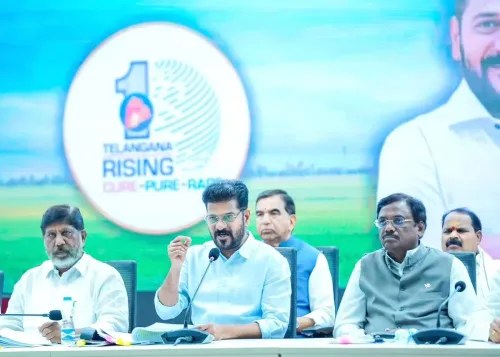
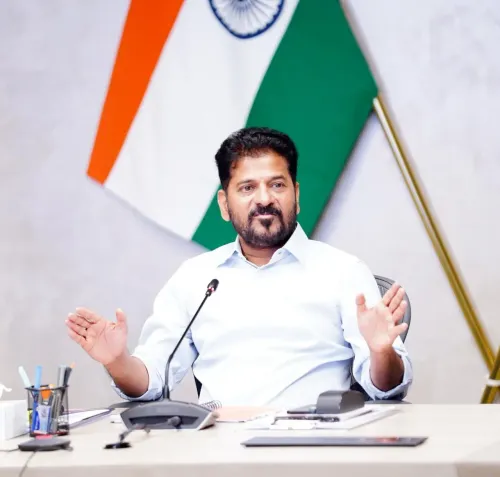
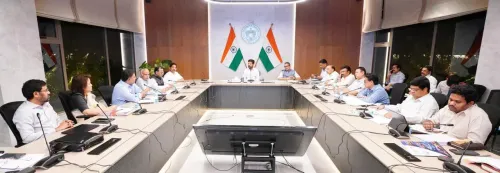
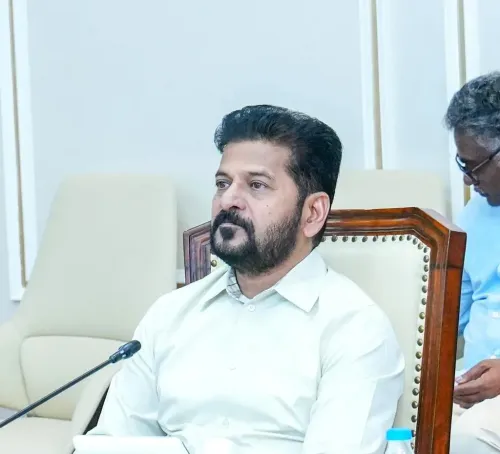
With reservoirs draining ahead of winter and power demand hitting historic highs, Telangana Chief Minister Revanth Reddy on Thursday, 15 October 2026 convened an emergency review at the Dr B R Ambedkar State Secretariat in Hyderabad — and emerged with a blunt warning: the state faces its gravest water and electricity crisis in years, and it cannot fight it alone.
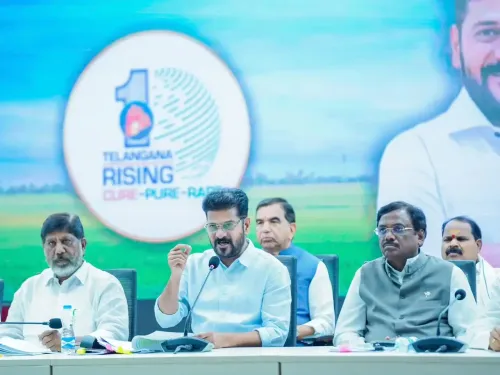
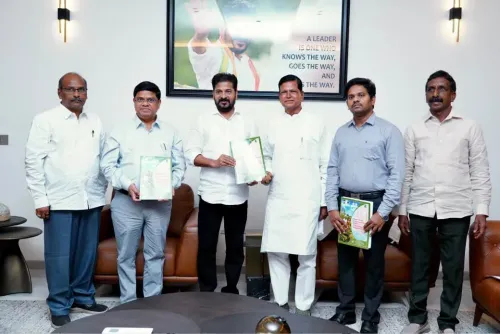
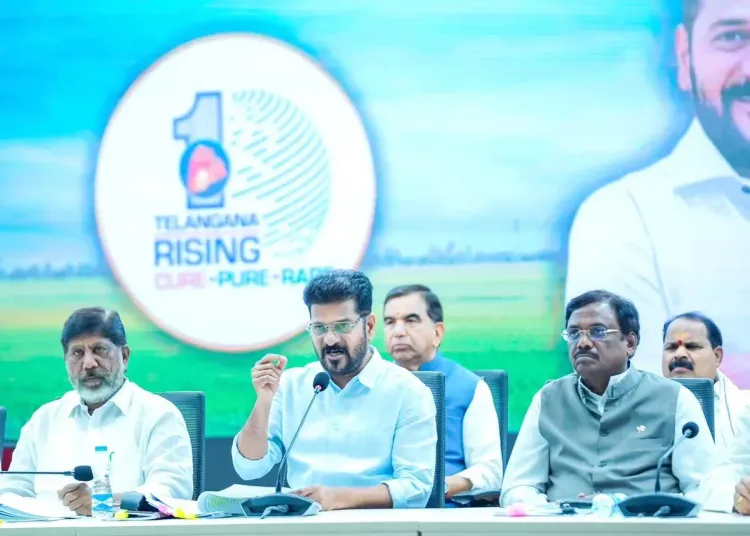
Addressing a press conference alongside Deputy Chief Minister Bhatti Vikramarka and several cabinet ministers, the Chief Minister's Office of Telangana laid out a multi-pronged response plan — from an all-party meeting after Dasara, to a state delegation travelling to Delhi in the first week of November to seek central disaster funds directly from the Prime Minister.
What El Niño Is Doing to Telangana Right Now
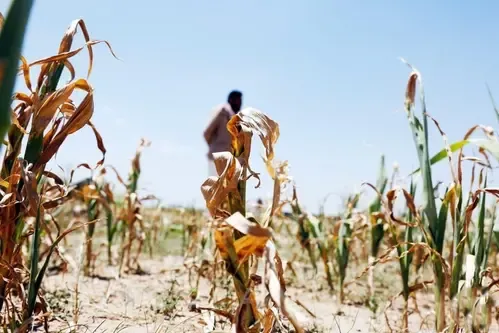
The numbers the Chief Minister cited tell a stark story. Reservoir storage that stood at 462 TMC at this time last year has fallen to roughly 200 TMC — less than half. Temperatures already read 38 degrees Celsius, levels typical of March. The CM warned that the state must stretch available water carefully across the next 8 to 10 months, all the way to June 2027.
Power demand has surged just as sharply. Against an average consumption of 15,000 MW over the past three years, the grid is now being pushed to 20,000 MW — a figure the CM traced back against a baseline of just 6,500–7,000 MW when Telangana was formed in 2014-15, underscoring how profoundly agricultural expansion and industrial growth have deepened the state's vulnerability when rains fail. Multiple other Indian states are facing the same supply crunch, he noted, making open-market power purchases both necessary and expensive.
The Direct Appeal to Farmers: Skip One Season
The CM's message to the farming community was direct and unambiguous. 'Peddamanasutho oka season vayidaa vesukovalsi vuntundi' — farmers must 'with big-heartedness postpone one season of cultivation.' Specifically, he urged them to avoid sowing summer rice crops, redirect whatever water is available to drinking needs first, and resist what he called 'false propaganda' about water availability.
His warning was practical and pointed: farmers who ignore the advisory and plant paddy risk losing their entire investment when the state cannot deliver irrigation water — burning out motors and electricity meters in the process. The state's advice to shift toward dry-land, drought-resistant crops has been communicated since the start of the monsoon season, the CM said, but compliance is now critical.
Beyond farmers, the CM flagged a parallel humanitarian concern. An estimated 2.5 lakh landless daily-wage labourers are expected to seek employment this season. He directed the concerned minister to design a special action plan under the Employment Guarantee scheme to absorb and support them through the crisis period.
After Dasara: All-Party Meeting, Then Delhi
The political architecture of the response is as deliberate as the administrative one. An all-party meeting will be convened after the Dasara festival to brief opposition parties on the severity of the situation and collect their suggestions. The CM explicitly called on the central government, state opposition parties, civil society organisations, and women's and student groups to cooperate — framing El Niño not as a political problem but as a collective natural emergency.
Following that meeting, an all-party delegation will travel to New Delhi in the first week of November to meet the Prime Minister and formally request support from the National Disaster Response Fund — both for existing crop losses and for the income farmers will forgo by skipping the summer season on the state's advice.
The War Room and the Sub-Committee
Operationally, the government is standing up two new structures. Deputy CM Bhatti Vikramarka will head a sub-committee to monitor the crisis on a continuous basis. Separately, CM adviser K. Ramakrishna Rao has been designated Nodal Officer, backed by a 24-hour war room with a toll-free helpline to counter misinformation and keep citizens reliably informed.
The Health Department has been placed on alert to handle heat-related medical emergencies among the poor. Arrangements for drinking water supply across 24,000 villages and fodder and water for livestock are being planned simultaneously. The CM cited UN scientific warnings that El Niño is affecting nearly 100 countries globally, placing Telangana's crisis in the context of a planetary disruption rather than a local failure.
Telangana is in a race against the calendar — and the government is betting that collective discipline now is the only way to protect the rabi harvest, the drinking water network, and the power grid all at once.
Point of View
CM Revanth Reddy insulates the relief request with cross-party legitimacy, making it harder for the Centre to deflect. The ask for NDRF support for both existing crop losses and anticipated foregone income from skipped sowing sets a potentially precedent-setting demand: compensation for preventive crop abstention, not just recorded damage. With the state's power demand having nearly tripled since formation, this crisis also exposes a structural mismatch between infrastructure investment and agricultural-industrial growth that no single monsoon season can fix.
NationPress
16 Oct 2026
Frequently Asked Questions
What is the El Niño crisis in Telangana and why is it serious?
El Niño is a global climate phenomenon that has caused significantly below-normal rainfall in Telangana, draining reservoirs to roughly 200 TMC from 462 TMC a year ago and pushing temperatures to 38 degrees Celsius in October. The state faces acute shortages of drinking water, irrigation water, and electricity that could affect farmers, industry, and millions of rural households.
What has CM Revanth Reddy asked farmers to do?
CM Revanth Reddy has urged farmers to voluntarily skip summer paddy cultivation for one season and redirect available water to drinking needs. He warned that those who ignore the advisory risk losing their entire investment when the state cannot supply irrigation water.
When will Telangana's all-party meeting on El Niño be held?
The all-party meeting will be convened after the Dasara festival, following which a cross-party delegation will travel to New Delhi in the first week of November to meet the Prime Minister and seek support from the National Disaster Response Fund.
What support is the Telangana government seeking from the Centre?
The state is seeking central assistance from the National Disaster Response Fund for existing crop losses, compensation for farmers who skip the summer season on government advice, and subsidised additional power allocation from the central pool to meet the state's record demand.
What is the war room set up by the Telangana government for El Niño?
The government has established a 24-hour war room with a toll-free helpline, headed by CM adviser K. Ramakrishna Rao as Nodal Officer, to provide accurate official information, counter misinformation, and continuously monitor the crisis. A sub-committee under Deputy CM Bhatti Vikramarka will provide overall oversight.